


1. What core packaging materials should be selected to build an effective protective layer before long-distance transportation?
The right packaging materials are the first line of defense against oxidation and should be selected based on the mode of transportation and duration. A comprehensive "sea, land, and air" solution includes:
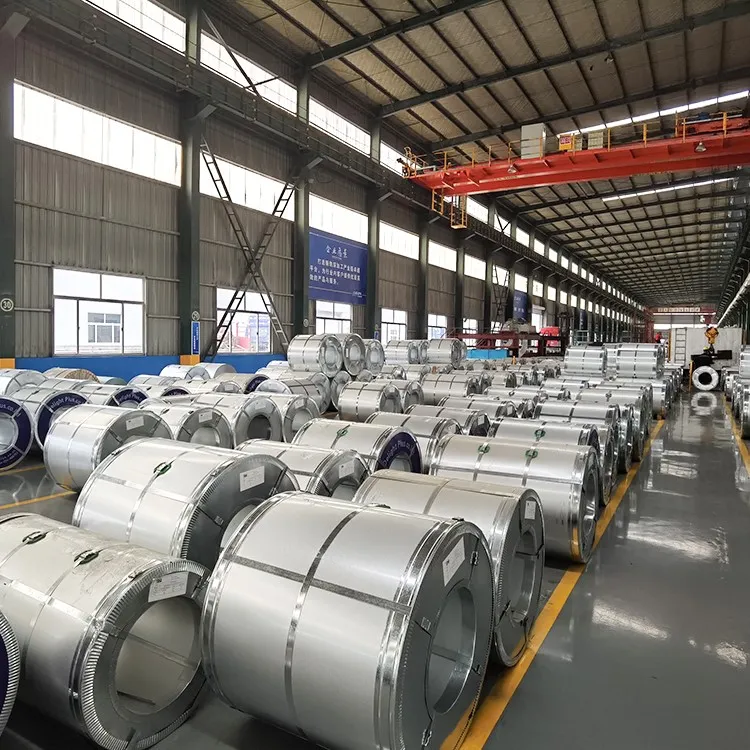
Basic moisture barrier: This must be wrapped with neutral rust-proof paper or plastic film. It is particularly important to choose neutral rust-proof paper, as ordinary rust-proof paper contains acidic fatty acids, which can corrode the zinc plating over time.
Vacuum phase corrosion inhibitor (VCI): For sea freight or long-distance transportation exceeding one month, this is the most crucial and efficient method. VCI rust-proof bags or paper release rust-preventive gases that automatically adhere to the metal surface, forming a protective film that isolates water, oxygen, and acidic gases from the air, achieving comprehensive protection.
Physical cushioning and securing: Use plastic or paper corner protectors to protect the edges of the rolls; fill the spaces between the steel rolls and between the steel rolls and the walls of the carriage with cushioning materials (such as wood blocks or foam) to prevent collisions and scratches to the coating caused by transportation bumps; finally, secure the goods firmly inside the carriage with steel straps or high-strength nylon straps.
2. Besides physical protection, are there any other necessary pretreatment or protective steps?
Yes, pretreatment of the galvanized coils themselves and creating a low-humidity environment before loading are equally crucial.
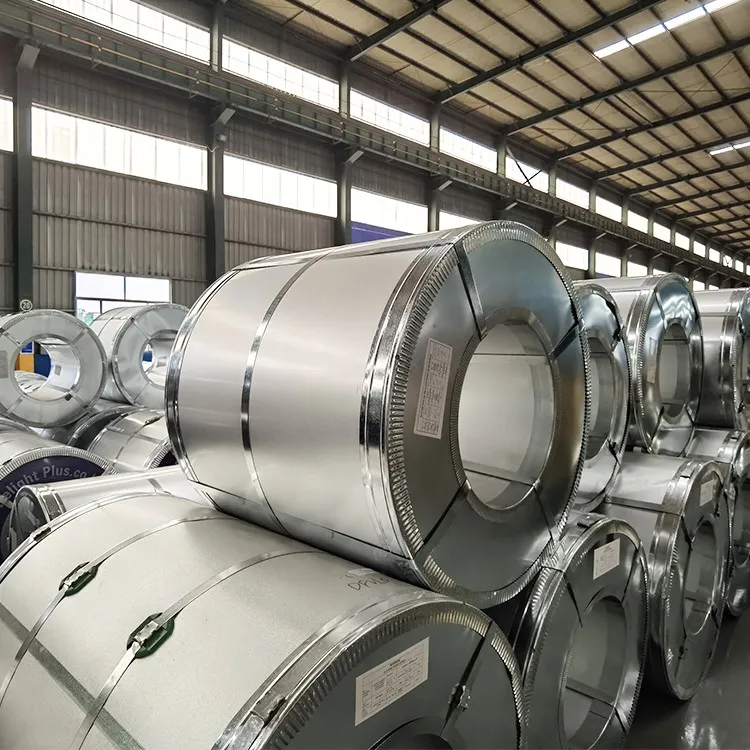
Surface Treatment Inspection: Before packaging, check the passivation film and rust-preventive oil on the surface of the galvanized coils for integrity. If the product itself has not undergone these treatments, it is recommended to apply a layer of volatile rust-preventive oil before long-distance transportation.
Use of Desiccant: Sufficient desiccant must be placed in sealed packaging, especially in containers, to absorb internal moisture. The standard recommended dosage is at least 20 grams per cubic meter of space.
Proper Loading Procedures: Avoid direct rigid contact between steel coils during loading, and use specialized lifting equipment. Direct lifting with wire ropes through the core is strictly prohibited to prevent scratching the coating.
3. Road, rail, and sea transport: What additional protective measures are needed for each of these three common modes of transport?
Different modes of transport face different risks, requiring tailored protective strategies.
Sea transport: The biggest challenges are high temperature, high humidity, and high salt spray environments.
Closed container transport: Closed containers must be used; avoid placing goods on decks vulnerable to wind and rain.
Reinforced packaging: A combination of VCI vapor phase corrosion inhibitor film and steel strap reinforcement is recommended. Packaging must be 100% sealed to completely isolate from salt spray.
Strengthened securing: Use securing frames or inflatable bladders inside the container to prevent steel coils from shifting when the ship rolls.
Road transport: The core risks are drastic changes in temperature and humidity, condensation, and vibration/friction.
Vehicles must be equipped with good covering facilities, such as tarpaulins, and should be covered even on sunny days to cope with sudden rain or dust.
Choose smooth, main roads and avoid frequently bumpy sections, as long-term vibration may cause micro-displacement between steel coil layers, forming indentations.
4. How to properly handle goods after they arrive at their destination to avoid failure due to sudden temperature and humidity changes?
The handling after arrival is crucial; improper handling can cause condensation to instantly damage the product.
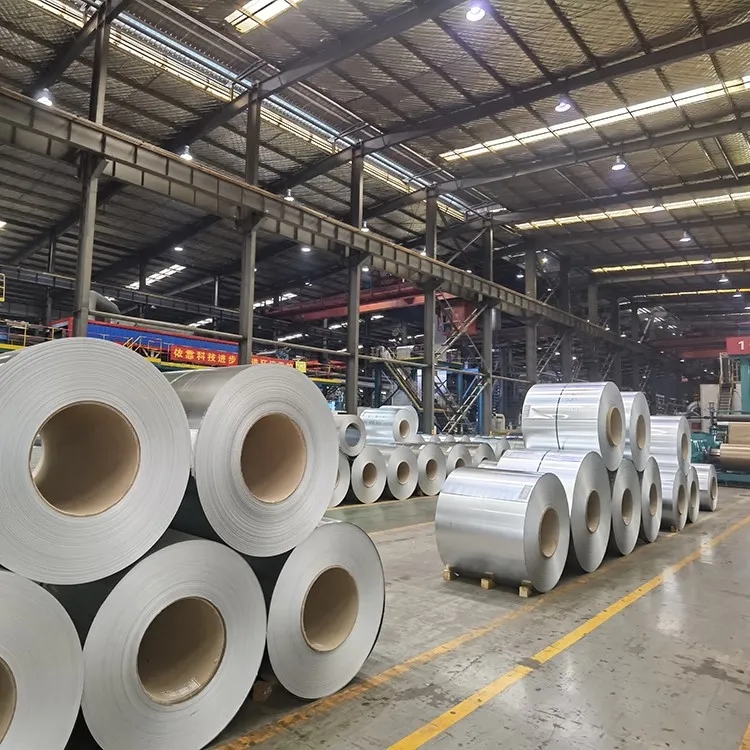
Key Operation: Allow the temperature difference to equilibrate before unpacking. When there is a significant temperature difference between the transport environment and the destination environment, do not immediately open the sealed packaging. The steel coils should be placed in a ventilated, dry environment to allow them to equilibrate naturally for approximately 12-24 hours, until the internal and external temperature differences are eliminated before unpacking. This effectively prevents the formation of large amounts of condensation on the metal surface due to sudden heating or cooling.
Timely Inspection and Recording: Immediately after unpacking, inspect the surface of the galvanized coils, especially the edges and cuts. Monitor using tools such as a zinc coating thickness gauge and record any abnormalities by taking photos. If slight white rust is found, wipe it immediately with a dry cloth or treat it with acetic acid solution. Contact the supplier immediately if any problems are found.
5.What are some common mistakes to avoid in preventing oxidation of galvanized coils over long distances?
Mistake 1: Thinking that placing tarpaulins or covering the coils inside the container is sufficient. This only provides waterproofing, but is almost ineffective against the most critical factors of sea transport: salt spray and continuous high humidity. Proper packaging and desiccants are essential.
Mistake 2: Using resinous wood as a barrier. Gases from pine resin or other acidic wood can react with the zinc coating, accelerating the formation of white rust. Neutral wood blocks, rubber, or foam should be used as padding.
Mistake 3: Poorly repairing damaged packaging. Even a small tear during transport can allow a large amount of moisture or salt spray to enter. Spare tape and tarpaulins should be readily available, and any damage should be immediately and thoroughly sealed and repaired.
Mistake 4: Improperly handling lubricant residue. If the steel coil surface was coated with water-based rust inhibitor before leaving the factory, ensure it is completely dry before packaging. Residual moisture will quickly cause rusting in the confined environment of marine transport.