

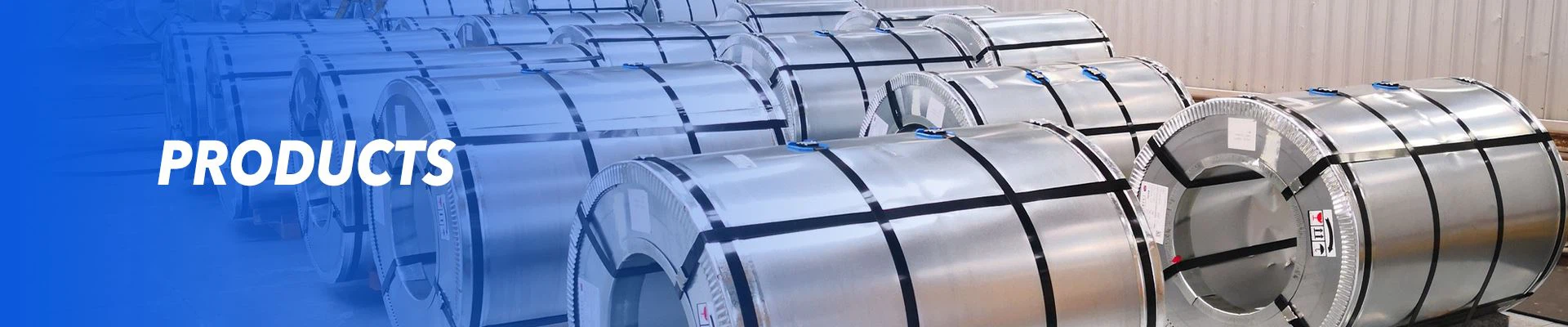
Corrugated Sheets
Your Professional Corrugated Sheets Supplier
Gnee Steel (tianjin) Co., Ltd. was established in Tianjin, in 2008. Our main products include galvanized steel plates, cold-rolled steel plates, pre-coated steel plates, steel pipes, PPGI, PPGL, PPAL, color-coated steel plates, pre-processed steel plates, coil steel, galvanized processing parts, and other related products.
Certifications
We have successfully passed ISO, CE, and other system certifications. Additionally, our products have been tested and approved by SGS, TUV, BV, and other leading testing organizations.
Our Strengths
Gnee Steel is equipped with advanced steel processing capabilities, including precision slitting, cutting, and customized fabrication services. We can provide steel products in various sizes, thicknesses, and surface treatments according to different project requirements.
Sales Market
Our steel products are exported to customers across South America, Africa, the Middle East, Southeast Asia, and other international markets.
-
![Galvanized PV-4 Profiled Steel Roofing Sheet]() Galvanized PV-4 Profiled Steel Roofing SheetPV-4 Profiled Steel Roofing Sheet is a trapezoidal metal roofing panel manufactured by roll forming coated steel coils into a specific four-profile-rib cross-section.read more
-
![PV-6 Profiled Steel Roofing Sheet AZ150 Coating 0.8mm]() PV-6 Profiled Steel Roofing Sheet AZ150 Coating 0.8mmPV-6 Profiled Steel Roofing Sheet is a high-performance metal roofing panel manufactured from AZ150 aluminum-zinc coated steel sheet with an additional electrostatically applied, oven-baked...read more
-
![Galvanised Roof Sheets]() Galvanised Roof SheetsModel NO.Roof Panel Corrugated Steel Roofing Sheetread more
Technique:Cold Rolled
Spangle:Big, Small, Regular, Zero Spangle
Zn Coating:30-400GSM
Surface:Oiled,... -
![Aluzinc Roofing Corrugated Color Coated Sheet]() Aluzinc Roofing Corrugated Color Coated SheetAluzinc Roofing Sheet is a metal roofing sheet coated with aluminum-zinc alloy, which is made of cold-rolled steel sheet. It has the advantages of aluminum, zinc, and steel.read more
-
![Aluzinc Corrugated Roofing Sheets DX51D + AZ150]() Aluzinc Corrugated Roofing Sheets DX51D + AZ150Aluzinc Roofing Sheet is a metal roofing sheet coated with aluminum-zinc alloy, which is made of cold-rolled steel sheet. It has the advantages of aluminum, zinc, and steel.read more
-
![Prepainted Galvanized Roofing Sheets 04mm 12ft]() Prepainted Galvanized Roofing Sheets 04mm 12ftcorrugated galvanized roofing steel sheet for industrial and civil buildings, warehouses, special buildings, large-span Roof, wall and interior and exterior wall decoration of steel structure...read more
-
![Zinc Roofing Sheet Corrugated Steel]() Zinc Roofing Sheet Corrugated SteelMulti-Standard Compliance: Our galvanized roofing sheets comply with international standards such as AISI, ASTM, BS, DIN, GB, and JIS, ensuring seamless integration with various building codes and...read more
-
![Galvanized Sheet GI Corrugated Steel]() Galvanized Sheet GI Corrugated SteelDurable and High-Quality Material: Our corrugated iron sheets are made from SGCC/SGCH/DX51D/DX52D grade steel, ensuring a durable and long-lasting roofing solution for your building projects.read more
-
![Zinc Galvanized Corrugated Sheet Plate]() Zinc Galvanized Corrugated Sheet PlateCorrugated board is also called profiled plate, which is made of color-coated steel sheet, galvanized sheet and other metal sheets, which are rolled and cold-bent into various wave-shaped...read more
-
![Corrugated Sheets Galvanized Roofing Sheet]() Corrugated Sheets Galvanized Roofing SheetModel NO.Roof Panel Corrugated Steel Roofing Sheet Spangle:Big, Small, Regular, Zero Spangle Surface:Oiled, Galvanized, Chromatedread more
-
![SGCC Corrugated Steel Sheet]() SGCC Corrugated Steel Sheetcorrugated galvanized roofing steel sheet for industrial and civil buildings, warehouses, special buildings, large-span Roof, wall and interior and exterior wall decoration of steel structure...read more
-
![22 Gauge Zinc Corrugated Steel Sheet]()


What is Corrugated Sheets?
A corrugated sheet is a metal sheet that is roll-formed into metal panels. Corrugated metal is an exposed fastener panel, meaning that each fastener is visible on the panel's surface.
The traditional shape of corrugated sheet metal is round and wavy. It is low cost, lightweight, durable, energy-efficient, long-lasting, and easy to install. Corrugated metal roofing is an excellent alternative to asphalt shingles or clay tile roofs. The durability of corrugated panels makes them a fit for both commercial and residential applications when used for metal roofing and metal siding projects. They are even used in other areas of the home including the ceiling, wainscoting, and fencing.
Benefits of Corrugated Sheets
Durability: Corrugated sheets are made from strong metals such as steel or aluminum, providing durability and resistance to impact, weathering, and wear. They can withstand harsh environmental conditions without deteriorating quickly.
Lightweight: Despite their strength, corrugated sheets are relatively lightweight, making them easier to install and transport compared to traditional building materials like concrete or brick.
Cost-effectiveness: Corrugated sheets are often more cost-effective than other roofing materials because they are simple to manufacture and install. Their widespread availability also contributes to their affordability.
Versatility: These sheets can be used for various applications, including roofing, siding, partitions, and temporary structures. They are available in different colors, sizes, and finishes to suit different design preferences and functional requirements.
Fast installation: Corrugated sheets can be installed quickly and easily due to their interlocking design, which reduces labor costs and speeds up construction times.
Thermal properties: Corrugated sheets can be coated with materials that provide insulation, reflecting heat in summer and retaining warmth in winter, contributing to energy efficiency in buildings.
Fire resistance: Metal corrugated sheets are generally non-combustible, offering a high degree of fire resistance compared to combustible roofing materials.
Long service life: When properly maintained, corrugated sheets can last for many years, providing long-term value with minimal maintenance needs.
Recyclability: Being made of metal, corrugated sheets are fully recyclable at the end of their lifecycle, aligning with sustainable construction practices.
Aesthetic appeal: Corrugated sheets offer a modern, industrial look that can add character to buildings. They are often chosen for their visual impact in both commercial and residential settings.
Corrugated sheets come in various types based on their material composition, profile, and application. Here are some of the common types of corrugated sheets:
Metal corrugated sheets
These are the most common type and are made from metals like galvanized steel, stainless steel, or aluminum. They feature a wavy or fluted profile that enhances their structural strength. They are used extensively for roofing, cladding, and siding.
Polycarbonate corrugated sheets
Made from polycarbonate, these sheets are lightweight and offer good transparency, allowing light to pass through. They are often used in greenhouses, skylights, and where natural lighting is desired.
Asbestos cement corrugated sheets
Historically popular, these sheets were made using asbestos fibers mixed with cement. However, due to health risks associated with asbestos, their use has declined, and they have largely been replaced by safer alternatives.
Bitumen corrugated sheets
Also known as corrugated shingles, these are made from bitumen-saturated fiberglass and are covered with a protective layer. They are used for roofing and offer waterproofing qualities.
Fiber cement corrugated sheets
These are a safe alternative to asbestos cement sheets, composed of cement and cellulose fibers. They are durable and resistant to fire, pests, and moisture, making them suitable for external cladding and roofing.
Colorbond corrugated sheets
Specific to Australia, Colorbond refers to steel sheets that have been coated with a patented metallic coating and finished with colored paint. They are known for their durability, colorfastness, and resistance to corrosion.
Green roofing corrugated sheets
Designed to support living elements, these sheets have a special profile to accommodate plants and soil for green roofing applications.
Application of Corrugated Sheets
Roofing: Corrugated metal roofs are popular due to their durability and resistance to harsh weather conditions. They are installed on residential, commercial, and industrial buildings, often over purlins or battens, and can be coated with materials like asphalt, polymer, or PVC to enhance their lifespan and appearance.
Siding: Corrugated sheets serve as durable cladding for walls, offering protection from the elements. They can be painted or finished in various colors to match the building's aesthetic.
Interior design: In interiors, corrugated sheets can be used for decorative panels, dividers, or ceiling tiles, contributing to a modern and industrial look.
Corrugated sheets are a staple in agricultural construction, providing sturdy roofing and walls for barns, stables, and storage facilities. Their resistance to rust and corrosion makes them ideal for environments where moisture is prevalent.
Trailers and truck bodies often utilize corrugated sheets for their sides and tops due to their lightweight nature and strength. This helps improve fuel efficiency and load capacity.
Corrugated sheets are used for constructing temporary or permanent structures in manufacturing plants and warehouses. They can form part of the roof, walls, or even serve as conveyor belt covers.
Corrugated sheets may be used in erosion control measures, such as retaining walls, or as part of modular flood defenses.
Disaster relief shelters, construction site offices, and event venues often employ corrugated sheets for their rapid deployment and ease of assembly.
Some corrugated sheets are made from recycled materials and can contribute to LEED certification in green construction projects.
Components of Corrugated Sheets
Corrugated sheets are composite materials consisting of two primary components: the liner and the medium. These components work together to provide the structural benefits that corrugated sheets are known for. Here's a closer look at these two components and how they interact:
Liner
The liners are the flat facings on either side of the corrugated medium. They are typically made from heavy paper or cardboard, which provides a smooth surface that can be printed upon or coated. Liners play a key role in protecting the contents during shipping and handling by absorbing shocks and providing a barrier between the medium and the product.
Medium (corrugated part)
The medium is the wavy or fluted component that connects the two liners. It is made from a thinner sheet of material than the liners but is structured into waves, known as flutes, which increase the board's overall strength. The flutes act as a support framework, providing extra cushioning and rigidity to the entire sheet. Common flute sizes range from very small "E" flutes to larger "A" or "B" flutes, with each size offering different strengths and cushioning capabilities.
Together, the liner and medium create a layered structure that combines high compressive strength with the ability to absorb shock and resist flexing. This makes corrugated sheets an ideal packaging solution for transporting goods, protecting products during distribution, and serving as a lightweight building material for various applications.
Material of Corrugated Sheets
Corrugated sheets can be made from various materials, each chosen for its specific properties and applications. Here are the most common materials used to manufacture corrugated sheets:
Steel
Galvanized steel is a popular choice for corrugated sheets due to its strength and durability. The steel is coated with a layer of zinc to protect it from rust and corrosion, making it suitable for a wide range of environments, including those with high humidity or exposure to the elements.
Aluminum
Aluminum corrugated sheets are lightweight, resistant to corrosion, and have a high strength-to-weight ratio. They are often used for roofing and siding in residential and commercial construction due to their long service life and recyclability.
Fiber cement
Fiber cement corrugated sheets are made from a combination of cement, cellulose fibers, and sometimes sand. They offer excellent durability against fire, wind, and impact. Fiber cement is a popular choice for buildings where a non-combustible material is required.
Plastic
Certain corrugated sheets are manufactured from plastics such as polypropylene or PVC. These sheets are often used for their light weight, resistance to chemicals, and ease of installation. Plastic corrugated sheets are commonly found in industrial settings and for temporary structures.
Asbestos-cement
Historically, asbestos-cement was used to make corrugated sheets due to its fire-resistant and insulating properties. However, due to health risks associated with asbestos fibers, this material has been largely banned and replaced with safer alternatives.
Composite materials
There are also composite corrugated sheets available, which combine different materials to achieve specific properties. These may include a core made of one material (such as polypropylene) with surfaces coated or laminated with another (like aluminum or PVC).
Process of Corrugated Sheets
Material selection and cutting: The first step is selecting the appropriate type of metal, usually galvanized steel, aluminum, or copper, based on the desired properties and application. The metal is then cut into long strips of uniform width, which will serve as the starting material for the corrugation process.
Roll forming: The flat metal strips are fed into a roll former, a series of heavy-duty cylindrical rollers arranged in pairs. Each pair of rolls is carefully machined to have a specific shape that imparts a corrugated profile to the metal as it passes through. As the metal moves through the rolls, it is progressively shaped into the desired corrugation pattern.
Finishing: After the corrugation process, the panels may undergo additional finishing processes. These can include painting, powder coating, or applying a protective finish to enhance corrosion resistance and aesthetic appeal. For example, galvanized steel panels might be painted with a weather-resistant paint to prevent rust.
Cutting to length: Once the corrugation and finishing processes are complete, the continuous metal panel is cut to the required length. This can be done using various methods, such as a guillotine shear, laser cutter, or plasma cutter, depending on the thickness and scale of production.
Inspecting and packaging: Finally, each panel is inspected for quality assurance. This includes checking the corrugations for uniformity, the finish for any defects, and the overall dimensions for accuracy. Upon passing inspection, the panels are packaged and prepared for shipment to the customer.
How to Maintain Corrugated Sheets
1. Regular washing: Wash corrugated sheets periodically to remove dirt, grime, and organic matter. Use mild soap and water or a specialized metal cleaner.
2. Avoid harsh chemicals: Do not use abrasive cleaners or tools that could scratch or damage the protective finish on the sheets.
3. Rinse thoroughly: After cleaning, ensure all cleaning agents are rinsed off to prevent streaks or residue that could be corrosive.
1. Protective coatings: Reapply protective coatings, such as paint or sealants, when necessary to maintain the integrity of the material against weathering.
2. UV protection: If the sheets are exposed to sunlight, consider applying a UV-resistant coating to prevent degradation over time.
1. Visual inspections: Perform routine visual inspections for signs of wear, rust, dents, or leaks. Check both the surface and underside of the sheets.
2. Repair damage promptly: Address any damage, such as punctures or rust spots, as soon as possible. Small repairs can prevent the need for larger replacements down the line.
3. Secure fasteners: Ensure all fasteners and clips that hold the sheets in place are tight and secure. Loose connections can lead to movement and increased wear.
1. Fall cleanup: Remove leaves, branches, and debris accumulated on or around the sheets to prevent moisture retention and potential damage.
2. Winter precautions: Insulate and cover corrugated sheets if they are prone to freezing or if deicing chemicals are used nearby.
1. Consult experts: If you notice extensive damage or are unsure about how to proceed with maintenance, consult professionals who can provide expert advice and services.
2. Regular maintenance contracts: Consider setting up a regular maintenance contract with a reputable service to ensure your corrugated sheets remain in good condition throughout their lifespan.

How to Install Corrugated Sheets
1. Preparation: Before installation, gather all necessary materials and tools, including screws with neoprene washers (for weather resistance), drilling bits, level, chalk line, safety gear, and any additional structural supports required.
2. Measure and cut panels: Measure the area where the corrugated sheets will be installed to determine the needed length of the panels. Use a circular saw or metal shears to cut the panels to size, making sure to wear appropriate safety gear.
3. Frame inspection: Inspect the roof or wall frame to ensure it is structurally sound and capable of supporting the added weight of the corrugated sheets.
4. Install underlayment: Depending on local building codes and climate conditions, apply an underlayment to provide an extra layer of protection against the weather.
5. Start with the first row: Position the first row of corrugated sheeting, starting from one end of the structure. Use a level to make sure the panels are straight and plumb.
6. Fasten the panels: Drill pilot holes along the bottom of the panels before screwing them into the framing to prevent tearing of the metal. Space the screws evenly across the panel, ensuring they go through the valleys of the corrugation for maximum strength.
7. Work from the bottom up: Once the first row is secured, install the subsequent rows, overlapping them slightly with the row below and ensuring that the joints do not align vertically.
8. Seal the joints: To prevent water infiltration, use a sealant or metal tape to cover the joints where panels meet.
9. Finish the last row: Install the top row of corrugated sheets, cutting off any excess length and securing it tightly to the frame.
10. Flashing and trim: Apply metal flashing around penetrations and edges to prevent water ingress. Cut and shape trim pieces to cover the open edges at the sides and ends of the panels.
11. Final inspection: Walk around the structure to inspect the installation for any missed spots, loose panels, or improperly sealed joints. Make any necessary adjustments.

How Do You Waterproof a Corrugated Metal Roof?
Waterproofing a corrugated metal roof involves several key steps to ensure that the roof remains watertight and protected against the elements. Here's a detailed procedure:
Inspection and repair: Before applying any waterproofing materials, inspect the roof for any damages such as dents, rust, or loose seams. Address these issues by replacing damaged panels, patching holes, and resealing seams with a specialized sealant.
Clean surface: Remove any dirt, debris, grease, or existing coatings from the metal surface. This can be done with a pressure washer set to a low pressure to avoid damaging the metal. Ensure the surface is dry before proceeding.
Prime the roof: Apply a rust-inhibitive primer to the corrugated metal panels. This step is crucial for metal that has been painted or coated previously, or for areas with rust. The primer will help the waterproofing coating adhere properly.
Apply waterproof coating: Choose a high-quality, elastomeric waterproof coating designed for metal roofs. These coatings are flexible and can bridge small cracks that may develop over time. Apply the coating evenly, ensuring full coverage of the roof surface. Follow the manufacturer’s instructions regarding the number of coats and drying times between each coat. Pay special attention to seams and fasteners, applying extra coating to these areas to prevent leaks.
Flashing: Inspect all flashings around vents, chimneys, and walls. Ensure they are securely attached and sealed with a compatible sealant. Apply waterproof coating over the flashings to create a seamless barrier.
Caulk and sealants: Use a silicone or polyurethane caulk to seal any penetrations, fastener heads, and edges where the metal meets other surfaces like walls or dormers.
Final inspection: After the final coat of waterproofing has dried, walk the roof to inspect for missed spots or drips. Make any necessary touch-ups.
Regular maintenance: Schedule regular maintenance checks to inspect the integrity of the waterproofing and repair any damage as soon as it occurs to prevent water infiltration.
Our Factory

Our Certificate

FAQ
Q: What is corrugated sheet?
Q: What are the uses of corrugated sheets?
Q: What is the difference between galvanized and corrugated?
Q: What is the difference between corrugated and non corrugated sheets?
Traditional cardboard is a thicker, heavier version of paper stock or pulp. For example, a cereal box is made from cardboard. Corrugated, on the other hand, might be made with cardboard materials, but the overall design and structure is much more durable.
Q: What is the difference between cardboard and corrugated sheets?
Q: Are corrugated sheets waterproof?
Q: Why are sheets corrugated?
Adding corrugations to a sheet of metal effectively strengthens the sheet and increases its rigidity. This increases the span over which you can erect corrugated sheets without them bending.
Q: Will corrugated sheet metal rust?
Q: Should corrugated sheets be vertical or horizontal?
Q: Where do you screw corrugated sheets?
Q: How long does corrugated sheeting last?
Q: How do you keep corrugated metal from rusting?
Q: Can you stand on corrugated roofing?
Q: What is the standard size of a corrugated sheet?
Q: How far apart should screws be on a corrugated metal roof?
Typically, screw spacing on metal roofing is around 12-24 inches apart.
Q: What is the cheapest way to seal a metal roof?
Q: Can you bend corrugated plastic sheets?
Q: How do you keep corrugated metal shiny?
Q: What is the best method of preventing corrugated roofing from rusting?
Q: How much overhang do I need for corrugated roofing?
The general rule of thumb is for metal roofing to overhang the gutters by no more than 50mm (approximately 2 inches). Any further will change the look of your home, curb appeal and how the excess water flows from the roof to the gutters during a storm.
We're professional corrugated sheets manufacturers and suppliers in China, specialized in providing high quality customized service. We warmly welcome you to buy cheap corrugated sheets for sale here and get free sample from our factory. For price consultation, contact us.