

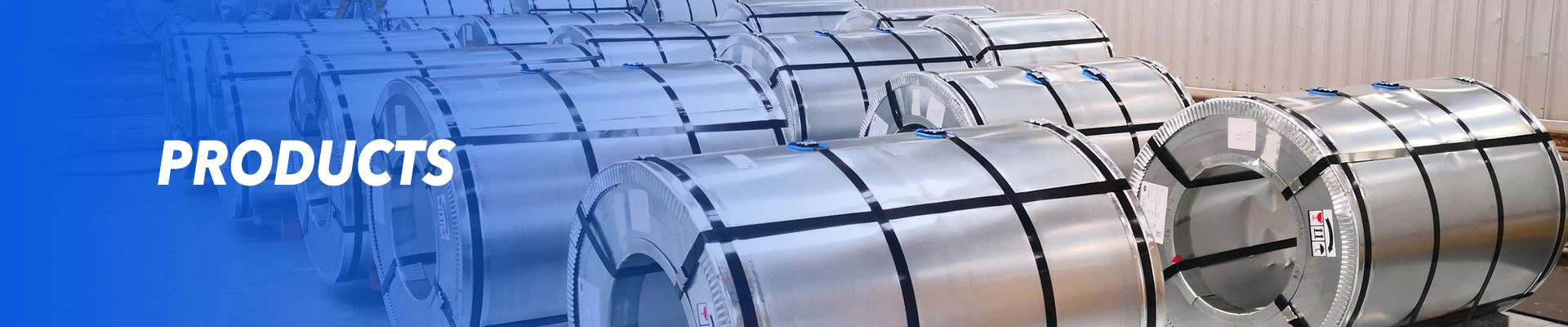
Galvanized Steel
Your Professional Galvanized Steel Plate Supplier
Gnee Steel (tianjin) Co., Ltd. specializes in the export and processing of galvanized steel products, cold rolled steel, pre-painted steel coils, steel pipes, and customized steel processing solutions. With years of experience in the international steel market, we are committed to providing reliable products, stable quality, and professional service for customers worldwide. Our products are widely used in construction, manufacturing, infrastructure, transportation, and industrial
Certifications
We maintain strict quality control throughout production and processing to ensure every order meets international standards and customer requirements. Our products comply with ISO and CE standards and can be inspected by third-party organizations such as SGS, TUV, and BV according to customer requests. We focus on delivering consistent product performance, accurate specifications, and dependable export quality.
Our Strengths
Gnee Steel is equipped with advanced steel processing capabilities, including precision slitting, cutting, and customized fabrication services. We can provide steel products in various sizes, thicknesses, and surface treatments according to different project requirements. From raw material selection to final packaging, every stage is carefully managed to ensure product consistency, dimensional accuracy, and efficient delivery for global customers.
Sales Market
Our steel products are exported to customers across South America, Africa, the Middle East, Southeast Asia, and other international markets. With extensive export experience and flexible supply solutions, we have established long-term cooperation with distributors, contractors, manufacturers, and project suppliers in multiple industries worldwide.

-
![DC51D+ZM Zn-Al-Mg Galvanized Steel Coil]()
-
![SECD Electro-galvanized Steel Sheets]()
-
![SECC Electro-Galvanized Steel Sheet JIS G 3313]() SECC Electro-Galvanized Steel Sheet JIS G 3313SECC Electro galvanized steel is a type of steel that has been coated with a thin layer of zinc to enhance its resistance to rust and corrosion. The electro-galvanizing process involves the...read more
SECC Electro-Galvanized Steel Sheet JIS G 3313SECC Electro galvanized steel is a type of steel that has been coated with a thin layer of zinc to enhance its resistance to rust and corrosion. The electro-galvanizing process involves the...read more -
![S320GD+AZ50 Galvalume Steel Sheet]() S320GD+AZ50 Galvalume Steel SheetAZ stands for aluminum-zinc alloy, which is the material of the steel coating. AZ50 refers to the total weight of both sides of the aluminum-zinc alloy coating in the three-point test in ASTM a972...read more
S320GD+AZ50 Galvalume Steel SheetAZ stands for aluminum-zinc alloy, which is the material of the steel coating. AZ50 refers to the total weight of both sides of the aluminum-zinc alloy coating in the three-point test in ASTM a972...read more -
![S280GD+AZ Hot Aluminum Zinc Galvalume Steel Coil]() S280GD+AZ Hot Aluminum Zinc Galvalume Steel CoilS280GD+AZ (Material Number 1.0244) is a hot-dip aluminum-zinc alloy coated structural steelread more
S280GD+AZ Hot Aluminum Zinc Galvalume Steel CoilS280GD+AZ (Material Number 1.0244) is a hot-dip aluminum-zinc alloy coated structural steelread more -
![S250GD+AZ Galvalume Steel Sheet]() S250GD+AZ Galvalume Steel SheetS250GD is available in the following hot dip coatings: S250GD+Z (galvanized), S250GD+ZF (galvanized-iron), S250GD+ZA (galvanized-aluminum), S250GD+AZ (aluminum-zinc), S250GD+AS (galvanized-iron)...read more
S250GD+AZ Galvalume Steel SheetS250GD is available in the following hot dip coatings: S250GD+Z (galvanized), S250GD+ZF (galvanized-iron), S250GD+ZA (galvanized-aluminum), S250GD+AZ (aluminum-zinc), S250GD+AS (galvanized-iron)...read more -
![Hot Dip Aluminium-zinc Alloy Coating Steel S220GD+AZ]() Hot Dip Aluminium-zinc Alloy Coating Steel S220GD+AZS220GD+AZ Galvalume Steel Coil is a reliable high-strength structural aluzinc steel material with multiple coating options to meet all environmental and processing demands.Whether you need spot...read more
Hot Dip Aluminium-zinc Alloy Coating Steel S220GD+AZS220GD+AZ Galvalume Steel Coil is a reliable high-strength structural aluzinc steel material with multiple coating options to meet all environmental and processing demands.Whether you need spot...read more -
![DC54D+AZ150 AZ180 AZ200 Al-Zn Alloy-Coated Galvalume Steel Coil]() DC54D+AZ150 AZ180 AZ200 Al-Zn Alloy-Coated Galvalume Stee...DC54D+AZ steel is hot dipped galvanized steel under the standard Q/BQB 420-2003. It is used for stamping. It is widely used for the production of automobile, construction, household appliances and...read more
DC54D+AZ150 AZ180 AZ200 Al-Zn Alloy-Coated Galvalume Stee...DC54D+AZ steel is hot dipped galvanized steel under the standard Q/BQB 420-2003. It is used for stamping. It is widely used for the production of automobile, construction, household appliances and...read more -
![DC53D+AZ Hot Aluminum Zinc Galvanized Steel Coil]() DC53D+AZ Hot Aluminum Zinc Galvanized Steel CoilDC53D+AZ is a high-formability, hot-dip, aluminum-zinc alloy-coated (Galvalume) steel designed for deep drawing, conforming to Q/BQB 420-2003 standards.read more
DC53D+AZ Hot Aluminum Zinc Galvanized Steel CoilDC53D+AZ is a high-formability, hot-dip, aluminum-zinc alloy-coated (Galvalume) steel designed for deep drawing, conforming to Q/BQB 420-2003 standards.read more -
![DC52D+AZ50 AZ100 AZ150 Galvalume Steel Sheet]() DC52D+AZ50 AZ100 AZ150 Galvalume Steel SheetDC52D+AZ is a high-ductility, cold-rolled, hot-dip aluminum-zinc alloy-coated (galvalume) steel designed for moderate drawing and cold-forming applications.read more
DC52D+AZ50 AZ100 AZ150 Galvalume Steel SheetDC52D+AZ is a high-ductility, cold-rolled, hot-dip aluminum-zinc alloy-coated (galvalume) steel designed for moderate drawing and cold-forming applications.read more -
![DC51D+AZ Galvalume Steel Sheet]() DC51D+AZ Galvalume Steel Sheet55% Al-Zn alloy coated steel sheet has excellent weather-proof property and appearance. In addition to the plate for top grade building outside, the volume of 55% Al-Zn alloy coated sheet with...read more
DC51D+AZ Galvalume Steel Sheet55% Al-Zn alloy coated steel sheet has excellent weather-proof property and appearance. In addition to the plate for top grade building outside, the volume of 55% Al-Zn alloy coated sheet with...read more -
![DX51D+AZ150 Hot Dip Aluminium-Zinc Coated Steel Coil]() DX51D+AZ150 Hot Dip Aluminium-Zinc Coated Steel CoilGalvalume steel is also called Aluminum-Zinc Alloy Coated Steel, Zincalume steel, aluminized zinc steel (aluzinc steel), SGLC, The galvalume metal is composed of 55% aluminium, 43.4% zinc and 1.6%...read more
DX51D+AZ150 Hot Dip Aluminium-Zinc Coated Steel CoilGalvalume steel is also called Aluminum-Zinc Alloy Coated Steel, Zincalume steel, aluminized zinc steel (aluzinc steel), SGLC, The galvalume metal is composed of 55% aluminium, 43.4% zinc and 1.6%...read more


What is Galvanized Steel?
One-stop supplier of galvanized steel products

Contact us now to get a product quote
Galvanized steel is a type of steel that has been galvanized by the application of a zinc coating throughout its body so that it can be protected from corroding or rusting. Galvanized steel has a longer life and durability compared to non-galvanized steel.
Galvanized steel coil production line from GNEE Steel has an annual production capacity of 300,000 tons and a manufacturing speed of 150m/minute. We can manufacture and sell galvanized steel coils with a width of 600-1250mm and a coating weight of 40-275g/m2.
Galvanized steel related product parameters
| Thick | 0.12 ~6.0 mm or customized |
| Width | 600-1500 mm or customized |
| Zinc Coating | 30~600G/M2 |
| Coil ID | 508 / 610MM |
| Coil Weight | 3-5 Tons |
| Standard | ASTM-A653; JIS G3302; EN10147;etc |
| Payment Terms | T/T, LC, Kun Lun Bank, Western Union, Paypal, O/A, DP |
| Hardness | Soft hard(HRB60),medium hard(HRB60-85),full hard(HRB85-95) |
| Surface Structure | Regular spangle,Minimum spangle, Zero spangle, Big spangle |
| Surface Treatment | Chromated/Non-Chromated, Oiled/Non-oiled, Skin pass |
Note: The table is only the parameters of some products. If you have other needs, please contact us.
Why choose GNEE Galvanized steel?
High quality
Our products are manufactured or executed to very high standards, using the finest materials and manufacturing processes.
Competitive Price
We offering a higher-quality product or service at an equivalent price. As a result we have a growing and loyal customer base.
Rich experience
Our company has many years of production work experience. The concept of customer-oriented and win-win cooperation makes the company more mature and stronger.
Global shipping
Our products support global shipping and the logistics system is complete, so our customers are all over the world.
After-sale service
Professional and thoughtful after -sales team, let you worry about us after -sales Intimate service, strong after -sales team support.
Advanced equipment
A machine, tool or instrument designed with advanced technology and functionality to perform highly specific tasks with greater precision, efficiency and reliability.
our Partners
GNEE STEEL creates a strong industrial ecosystem by creating symbiotic value to ensure win-win with business partners. We actively engage with our partners to solve social problems where economic benefits are unexpected and create a happy and fulfilling workplace by fostering a corporate culture of trust and creativity.




Customer cases for galvanized steel products.

Korean customers

Indian customers

New Zealand customers

Chilean customers

Indian customers

Russian customers
Our Factory


our service
Laser cutting, Plasma cutting, Flame cutting, Laser welding, Water jet cutting, Laser cutting pipes, Press bending, Roll forming, Plate roll bending, Drilling, Milling, Bevelling


Management Philosophy
The core values of GNEE STEEL Group are “Safety”, “Win-Win”, “Ethics” and “Creativity”,“Safety” means that respect for people is the highest priority, and position holders should take the lead in encouraging everyday safety behaviors with a focus on action. “Win-win” refers to the practice of understanding others, sharing others, pursuing common prosperity, and growing continuously by creating social value. “Ethics” refers to the pursuit of ethical behavior on the basis of mutual trust among members of society, abiding by the principle of reward and punishment. “Creativity” means taking the lead in solving problems with an open mind, open cooperation, and openness.


Benefits of Galvanized Steel
Corrosion resistance
The most significant benefit of galvanization is corrosion resistance. When steel is coated with zinc, it protects against rust and oxidation, significantly extending the material's lifespan, especially in environments prone to moisture and chemical exposure.
Low maintenance
Because galvanized steel is resistant to corrosion, it requires little to no maintenance over time. This can save on costs associated with repainting, re-coating, or repairing corroded steel structures.
Durability
Zinc provides a hard, protective layer that can withstand mechanical damage and abrasions. This makes galvanized steel suitable for applications that endure harsh conditions or heavy use.
Cost-effectiveness
Galvanization is a cost-effective method of protecting steel because it adds minimal thickness to the material and uses a relatively inexpensive process. The long-term savings from reduced maintenance and repair make it a valuable investment.
Fast application
The galvanizing process is fast and can be applied to a variety of shapes and sizes of steel without altering its physical properties. This allows for quick production times and ease of use in manufacturing.
Recyclable
Both steel and zinc used in galvanization are fully recyclable. This makes galvanized steel an environmentally friendly choice, as it contributes to the reduction of waste and supports sustainable practices.
Longevity
The protective zinc coating can last for decades, providing long-term protection against environmental elements. This longevity is particularly advantageous in applications where replacement costs would be high.
Electrochemical protection
Even if the zinc coating is scratched, the electrochemical reaction between steel and zinc provides cathodic protection to the bare areas underneath, slowing down corrosion in the exposed areas.
GNEE hot selling galvanized steel products


Type of galvanizing
Galvannealing is the combination of hot-dip galvanizing and annealing processes to produce a specialized coating on steel sheets. The finished product is a zinc-iron alloy product, with a dull matte surface finish that is ideally suited for paint adhesion. This process works by hot-dipping the base metal, and then heating it in an annealing oven at a temperature of roughly 565 ºC to induce alloying between the steel and molten zinc coating. Examples of galvannealing include: welding operations, marine applications, and any high-tensile stress applications.
Hot-dip galvanizing is a form of zinc coating applied to steel sheets (or manufactured steel items). This occurs by passing the steel objects through a bath of molten zinc and then cooling them. The zinc bonds to the iron within the steel. Hot-dip galvanizing works by forming a protective layer on either side of the metal to protect the finished product from corrosion. Galvanized steel does not require any secondary or additional coating or painting. Examples of hot-dip galvanizing include: industrial flooring, motorway guardrails, brackets, and fixings.
Electrogalvanization is a process in which steel is galvanized with a zinc coating using electroplating. Steel is submerged in a zinc salt solution and an electrical current is applied to create electrogalvanized steel. The current creates a reaction between the zinc salt and the surface of the steel, leaving behind a thin layer of zinc. This zinc laver is much thinner than the hot dipping method. Electrogalvanized steel is used in: acoustic ceiling tiles, door frames, and switchboards.
The pre-galvanizing process, also referred to as mill galvanization, is performed at the very initial stages of production on metals which are likely to have a limited number of processes after pre-galvanization. This is because carrying out any process on galvanized steel will result in the exposure of bare metal to the atmosphere increasing the risk of oxidation. Components that are pre-galvanized are usually steel plates and bars. This method enables galvanizing to be done quickly and efficiently on a larger scale than is possible with traditional hot-dipping. This process works by rolling the sheet metal (or other shaped steel stock) in a cleaning agent to prepare the material to be passed through the molten zinc, which is then rapidly recoiled. Pre-galvanizing is primarily used for materials that already have a specific shape before being cut.

Application of Galvanized Steel
1. Construction: In the construction industry, galvanized steel is used for roofing and cladding, structural steel frames, purlins, and support systems. It is also employed in the fabrication of guardrails, highway dividers, and stairs.
2. Infrastructure: Bridges, power transmission towers, and roadside guardrails commonly utilize galvanized steel due to its ability to withstand extreme weather conditions and resist corrosion.
3. Architectural: Galvanized steel is used in the manufacture of window frames, doors, and other architectural hardware. Its aesthetic finish and resistance to weathering make it suitable for both interior and exterior applications.
4. Automotive industry: Automobile bodies, frames, and exhaust systems often incorporate galvanized steel components to protect against rust and extend the vehicle’s life.
5. Appliances: Refrigerators, washing machines, and other large appliances frequently use galvanized steel for internal shelving and external panels because of its resistance to scratches and stains.
6. Electrical enclosures: Electrical cabinets and enclosures are made from galvanized steel to protect sensitive equipment from corrosive environments and ensure longevity.
7. Agriculture: Tractor cabs, grain bins, and other agricultural structures benefit from the corrosion resistance offered by galvanized steel.
8. Furniture: Outdoor furniture, such as benches and picnic tables, often features galvanized steel frames to withstand exposure to the elements.
9. HVAC systems: Components of heating, ventilation, and air conditioning systems, such as ductwork and ventilation grilles, are made from galvanized steel for protection against moisture and condensation.
10. Water management: Water pipelines, sewage treatment facilities, and water towers utilize galvanized steel due to its resistance to waterborne contaminants and corrosion.
11. Railings and fences: Security fences, perimeter fencing, and railings in public spaces and private residences are often constructed from galvanized steel to provide strength and weatherability.

Process of Galvanized Steel
Cleaning: The steel is thoroughly cleaned to remove any dirt, grease, or scale that could interfere with the adherence of the zinc coating. This cleaning process might involve degreasing, alkaline cleaning, or pickling in an acid solution to remove oxides.
Fluxing: After cleaning, the steel is often fluxed. Fluxing agents help to protect the cleaned surface from recontamination and prevent the formation of destructive zinc oxide fumes during the galvanizing process.
Preheating: The steel is then preheated to a temperature just below its melting point. This ensures that the steel will not warp when dipped into the molten zinc bath and helps to maintain the cleanliness of the steel surface.
Galvanizing: The preheated steel is submerged in a molten zinc bath at temperatures around 840°F (450°C). At this temperature, the zinc coating bonds to the steel through a metallurgical reaction. The coating consists of a series of layers, including a zinc-iron alloy layer that provides cathodic protection to the underlying steel.
Cooling: After galvanizing, the steel is allowed to cool slowly to room temperature. As it cools, a natural patina may form on the surface, enhancing the corrosion resistance of the zinc coating.
Inspection and testing: The galvanized steel is inspected for quality and tested to ensure that the zinc coating meets the required thickness and adhesion standards.
Post-treatment: Depending on the intended use, the galvanized steel may undergo additional treatments. These could include painting or powder coating to add color and further protection, or cutting and shaping into final products.
Regular inspection
Periodically check the galvanized steel for signs of damage or wear. Look for scratches, dents, or areas where the zinc coating may have been worn down.
Protection from impact
Ensure that the steel is protected from physical impacts that could cause scratches or gouges, which would expose the underlying steel to corrosion.
Cleaning
Regularly clean the surface of the galvanized steel to remove dirt, debris, and other environmental pollutants that can accumulate over time. Use mild detergents and avoid abrasive cleaning agents that could scratch the zinc coating. Rinse thoroughly to remove all residue.
Avoid chemical purity
Keep the galvanized steel away from strong acids, alkalis, and other chemicals that can react with the zinc coating and lead to corrosion. If exposure is unavoidable, consider applying a protective coating or lining.
Painting or coating
For additional protection, especially in harsh environments, consider applying a paint or coating over the galvanized steel. This can provide extra protection against corrosion and weathering.
Repair damaged areas
If the zinc coating is damaged, it is advisable to repair the affected area as soon as possible to prevent rust from forming on the bare steel underneath. Touch-up coatings are available specifically for repairing small areas of damaged galvanization.
Proper storage
When not in use, store galvanized steel in a dry place away from sources of direct moisture and humidity to prevent corrosion.
What Is the Difference Between Galvanized Steel and Galvannealed Steel?
Coating thickness: Galvanized steel typically has a thinner coating than galvannealed steel. The coating on galvanized steel is usually in the range of 20-60 g/m², while the coating on galvannealed steel is usually thicker, around 60-100 g/m².
Production process: Galvanized steel is produced by dipping the steel in a zinc bath, while galvannealed steel undergoes a additional heat treatment process after galvanizing. This heat treatment causes the zinc to diffuse into the steel, creating a more uniform and adherent coating.
Corrosion resistance: Galvannealed steel generally offers better corrosion resistance than galvanized steel. The diffusion of zinc into the steel substrate during the galvannealing process provides enhanced protection against corrosion.
Formability: Galvannealed steel often has better formability than galvanized steel. The heat treatment during galvannealing improves the steel's ductility, making it more suitable for applications that require bending or forming.
Paintability: Galvannealed steel may have better paint adhesion properties than galvanized steel. The improved coating adhesion can result in better paint finishes and longer-lasting coatings.
Cost: Galvannealed steel is generally more expensive than galvanized steel due to the additional heat treatment process.
Application areas: Galvanized steel is commonly used in a wide range of applications, including construction, automotive, and manufacturing. Galvannealed steel is often preferred in applications where superior corrosion resistance and formability are critical, such as in the automotive industry.
Properties: Galvanized steel is a type of steel that has been coated with zinc to protect it from corrosion. Aluminum steel, on the other hand, is a type of steel that contains aluminum. Aluminum steel has higher strength and stiffness than galvanized steel, but it is also lighter in weight.
Corrosion resistance: Galvanized steel has better corrosion resistance than aluminum steel, especially in outdoor applications. Galvanized steel's zinc coating protects it from rust and corrosion, while aluminum steel is more prone to corrosion.
Heat resistance: Aluminum steel has better heat resistance than galvanized steel. Aluminum steel can tolerate higher temperatures without distorting or warping, making it suitable for applications such as cookingware and industrial equipment.
Weight: Galvanized steel is heavier than aluminum steel. This can be an advantage in some applications, such as construction, where heavy materials are required. However, in other applications, such as aircraft construction, lighter weight is preferred.
Application areas: Galvanized steel is commonly used in construction, automotive, and manufacturing applications, due to its strength, durability, and corrosion resistance. Aluminum steel is often used in applications where high strength and stiffness are required, such as in the manufacture of aircraft parts and medical equipment.
How Can Galvanized Steel Avoid Rust?
Galvanized steel is designed to avoid rust through the application of a protective zinc coating. The zinc acts as a sacrificial anode that protects the steel from corrosion. Here are the steps and principles involved in preventing rust using galvanized steel:
The most common method for galvanizing steel involves immersing clean steel into a molten bath of zinc. As the steel piece enters the bath, a layer of zinc forms on its surface. This reaction creates a zinc coating that can vary in thickness depending on the length of time it spends in the zinc and the temperature of the zinc bath.
Upon removal from the zinc bath, the surface of the steel may have a rough appearance due to the formation of zinc crystals. These crystals can provide additional protection as they shield the steel from exposure to corrosive elements.
The zinc coating bonds metallically with the steel substrate, creating a tightly integrated barrier. This bond ensures that even if the zinc coating is scratched, the steel beneath remains protected by the surrounding zinc.
Zinc is more anodic (electrochemically reactive) than iron, so it will corrode preferentially when galvanized steel is exposed to moisture or corrosive substances. The zinc sacrifices itself by oxidizing and forming zinc oxide or zinc carbonate, which are stable compounds that do not flake off and expose the steel underneath.
If the zinc coating is damaged, the zinc still protects the steel because it has a higher tendency to corrode than steel. Even with small scratches or damage, the zinc will continue to corrode instead of the steel.
After galvanization, the surface of the steel may be treated further to improve its appearance or to enhance paint adhesion. For example, galvannealed steel undergoes a process where the surface is heated to create an alloy layer of zinc and steel, which provides a smoother surface for painting.
To ensure long-term protection, it’s important to consider the following maintenance tips:
● Avoid physical damage: Protect the zinc coating from physical damage, as this can expose the steel to corrosion.
● Regular inspection: Regularly inspect galvanized steel for signs of damage or corrosion and repair any damage promptly.
● Protective painting: Applying a coat of paint or another protective layer can extend the life of the galvanized steel and add additional corrosion resistance.
By following these steps and principles, galvanized steel can remain largely resistant to rust and maintain its structural integrity and functionality over a long service life.
How Can You Tell if Metal Is Galvanized Steel?
Identifying galvanized steel involves several steps and observations:
Visual inspection: Look for a dull gray finish. Unlike bare steel, galvanized steel has a matte finish rather than a shiny one. The surface may appear slightly crystalline due to the spangle pattern created during the galvanizing process.
Touch test: Run your finger across the surface. Galvanized steel will feel slightly gritty because of the zinc particles on the surface.
Weight comparison: Galvanized steel will be slightly heavier than non-galvanized steel of the same size and shape due to the added weight of the zinc coating.
Magnet response: Most galvanized steels are magnetic. You can use a magnet to test if the metal is attracted to it, which indicates that it's likely steel. However, this isn't conclusive proof of galvanization since all steel is magnetic, regardless of whether it's been galvanized or not.
Chemical test: Apply hydrochloric acid or muriatic acid (available at hardware stores) to a small, inconspicuous area of the metal. If the area turns from gray to bright silver, it's likely galvanized steel because the acid is reacting with the zinc to remove the zinc oxide layer. This test should only be done if you are confident in safely handling chemicals and understand the risks involved.
Labels and markings: Sometimes manufacturers will label or stamp their products with information that includes whether the metal is galvanized. Look for markings that might indicate the type of metal and its treatment.
Corrosion resistance: Galvanized steel will show resistance to minor scratches and cuts. If the zinc layer is intact, it should protect the steel underneath from immediate corrosion.
Consultation: If you're still unsure, you can consult with a materials specialist who may use X-ray fluorescence (XRF) testing to determine the elemental composition of the metal or contact the manufacturer directly to inquire about the product's specifications.
FAQ
Q: What is special about galvanized steel?
Q: Will galvanized steel rust?
Q: What is the difference between steel and galvanized steel?
Q: Should you paint galvanized steel?
Q: Which is better zinc or galvanized steel?
Q: How can you tell if metal is galvanized steel?
Look for: A spangled appearance: This spangled pattern is due to zinc crystallization. A dull gray color: Many are surprised to know that galvanized materials have more of a matte finish. This is because the protective layer of zinc interacts with the harsh environment.
Q: How do you protect galvanized steel from rusting?
Q: Why can't you paint galvanized steel?
Q: Can you burn galvanized coating off?
Q: How many years does galvanized steel last?
Therefore, using the TFM chart, hot-dip galvanized structural steel (>1/4-inch thick) provides 72-73 years of life to first maintenance even in the most corrosive atmosphere, industrial.
Q: Can you seal galvanized metal?
Q: Is it OK to weld galvanized steel?
Q: What does bleach do to galvanized steel?
Q: What is the white stuff when you weld galvanized metal?
Q: What does salt do to galvanized metal?
Sodium chloride (salt) in water or air. Wet or soaked environments. Increase in temperature when combined with corrosive factors like humidity and industrial pollution.
Q: Why do you drink milk after welding galvanized?
Q: What happens if you breathe galvanized fumes?
Q: How do you rejuvenate galvanized steel?
Q: What happens when you melt galvanized steel?
One of the main ingredients in the mix of galvanized steel is zinc. Zinc coating melts around 900 ˚F and vaporizes at about 1650˚F. The zinc that is near the weld does not even hold up, it actually gets vaporized. Regular steel has a melting point of approximately 2,750˚F.
Q: How do you make galvanized metal look new?
We're professional galvanized steel manufacturers and suppliers in China, specialized in providing high quality customized service. We warmly welcome you to buy cheap galvanized steel for sale here and get free sample from our factory. For price consultation, contact us.
EN10210 Hot Dip Galvanized Oil Drilling Pipe, Q345B Galvanized Steel Pipe, ASTM A53 Gr A Hot Rolled Galvanized Steel Pipe