

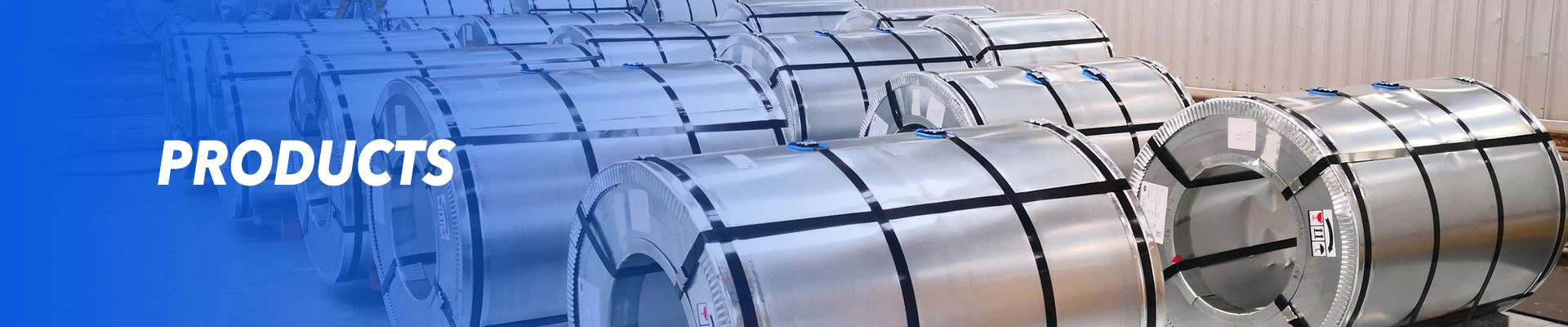
Photovoltaic Bracket
Your Professional Photovoltaic Bracket Supplier
Gnee Steel (tianjin) Co., Ltd. was established in Anyang, Henan, in 2008. Our main products include galvanized steel plates, cold-rolled steel plates, pre-coated steel plates, steel pipes, PPGI, PPGL, PPAL, color-coated steel plates, pre-processed steel plates, coil steel, galvanized processing parts, and other related products.
Certifications
We have successfully passed ISO, CE, and other system certifications. Additionally, our products have been tested and approved by SGS, TUV, BV, and other leading testing organizations.
Our Strengths
Gnee Steel is equipped with advanced steel processing capabilities, including precision slitting, cutting, and customized fabrication services. We can provide steel products in various sizes, thicknesses, and surface treatments according to different project requirements.
Sales Market
Our steel products are exported to customers across South America, Africa, the Middle East, Southeast Asia, and other international markets.
-
![Strut Channel C Channel For Solar Mounting System]() Strut Channel C Channel For Solar Mounting SystemA photovoltaic mounting system is a structural framework that supports PV modules; its primary function is to secure the modules and adjust their angles to maximize the absorption of sunlight.read more
Strut Channel C Channel For Solar Mounting SystemA photovoltaic mounting system is a structural framework that supports PV modules; its primary function is to secure the modules and adjust their angles to maximize the absorption of sunlight.read more -
![ZAM310 U Form Solar Mounting Bracket]() ZAM310 U Form Solar Mounting BracketA solar photovoltaic bracket is a specialized support structure designed within a solar photovoltaic power generation system to position, install, and secure solar panels.read more
ZAM310 U Form Solar Mounting BracketA solar photovoltaic bracket is a specialized support structure designed within a solar photovoltaic power generation system to position, install, and secure solar panels.read more -
![Hot-dip Galvanized Steel Ground Solar Mounting System]() Hot-dip Galvanized Steel Ground Solar Mounting SystemHot-dip galvanized steel ground mount solar system is a system for mounting solar arrays that features high durability, long-term use, and good corrosion resistance.read more
Hot-dip Galvanized Steel Ground Solar Mounting SystemHot-dip galvanized steel ground mount solar system is a system for mounting solar arrays that features high durability, long-term use, and good corrosion resistance.read more -
![Ceramic Tile Roof Solar Brackets]() Ceramic Tile Roof Solar BracketsThe ceramic tile roof photovoltaic support system is flexible in design and includes various types of tile hooks, making installation more convenient and efficient. It is suitable for the...read more
Ceramic Tile Roof Solar BracketsThe ceramic tile roof photovoltaic support system is flexible in design and includes various types of tile hooks, making installation more convenient and efficient. It is suitable for the...read more -
![Ballast Roof Solar Brackets]() Ballast Roof Solar BracketsBallast Roof Solar brackets is applied to various kinds of flat roof projects. Main components are made of hot-dip galvanized steel, with good performance of structure strength, stability.read more
Ballast Roof Solar BracketsBallast Roof Solar brackets is applied to various kinds of flat roof projects. Main components are made of hot-dip galvanized steel, with good performance of structure strength, stability.read more -
![M-A-Z Ground Solar Brackets]() M-A-Z Ground Solar BracketsGround solar brackets are an important part of solar photovoltaic power generation systems, and are mainly used to place, install, and fix solar panels.read more
M-A-Z Ground Solar BracketsGround solar brackets are an important part of solar photovoltaic power generation systems, and are mainly used to place, install, and fix solar panels.read more -
![Stainless Steel Solar Mounting Ground Lug]() Stainless Steel Solar Mounting Ground LugThe Stainless Steel Solar Mounting Ground Lug is an important safety device used in solar photovoltaic systems to ensure electrical safety and prevent external factors such as lightning from...read more
Stainless Steel Solar Mounting Ground LugThe Stainless Steel Solar Mounting Ground Lug is an important safety device used in solar photovoltaic systems to ensure electrical safety and prevent external factors such as lightning from...read more -
![Solar Hanger Bolt]() Solar Hanger BoltSolar hanger bolts are key components used to fix solar hangers in solar photovoltaic systems. Their correct installation is crucial to ensure the stability and safety of solar photovoltaic systems.read more
Solar Hanger BoltSolar hanger bolts are key components used to fix solar hangers in solar photovoltaic systems. Their correct installation is crucial to ensure the stability and safety of solar photovoltaic systems.read more -
![Solar Panel Brackets For Tile Roof]() Solar Panel Brackets For Tile RoofTile roof solar panel mount is a solar panel mounting system specifically designed for installation on pitched roofs.read more
Solar Panel Brackets For Tile RoofTile roof solar panel mount is a solar panel mounting system specifically designed for installation on pitched roofs.read more -
![Color Steel Tile Photovoltaic Bracket]() Color Steel Tile Photovoltaic BracketColored steel tile photovoltaic bracket is a solar bracket system designed for colored steel tile roofs. It has a variety of types and features to meet different installation requirements and...read more
Color Steel Tile Photovoltaic BracketColored steel tile photovoltaic bracket is a solar bracket system designed for colored steel tile roofs. It has a variety of types and features to meet different installation requirements and...read more -
![Hot DIP Galvanized Photovoltaic Spiral Pile]() Hot DIP Galvanized Photovoltaic Spiral PilePhotovoltaic spiral pile is a pile foundation with spiral blades. The spiral blades are combined with galvanized steel pipe piles through welding process to form a foundation structure with...read more
Hot DIP Galvanized Photovoltaic Spiral PilePhotovoltaic spiral pile is a pile foundation with spiral blades. The spiral blades are combined with galvanized steel pipe piles through welding process to form a foundation structure with...read more -
![C-type Steel Ground Photovoltaic Bracket]() C-type Steel Ground Photovoltaic BracketThe C-shaped steel system bracket is made of carbon steel and is surface treated with hot-dip galvanizing or magnesium-aluminum-zinc plating, which has excellent anti-corrosion performance and...read more
C-type Steel Ground Photovoltaic BracketThe C-shaped steel system bracket is made of carbon steel and is surface treated with hot-dip galvanizing or magnesium-aluminum-zinc plating, which has excellent anti-corrosion performance and...read more


What is Photovoltaic Bracket?
Photovoltaic bracket is a special bracket used to install solar panel. It together with photovoltaic modules, combiner boxes, inverters and other core equipment constitutes a photovoltaic power generation system. As an important support structure for carrying photovoltaic modules, safety and ease of installation are the core requirements of solar mount system.
Benefits of Photovoltaic Bracket
Flexibility: Brackets can be designed to accommodate different tilt angles, orientations, and mounting locations (such as rooftops, ground mounts, or pole mounts), providing flexibility in solar panel installation.
Adaptability to site conditions: They can be customized to suit varying site conditions, such as uneven terrain, different building types, and shading patterns.
Enhanced performance: Properly mounted solar panels can absorb more sunlight, leading to higher energy yields and improved system performance.
Durability: High-quality PV brackets are engineered to withstand harsh weather conditions, including heavy winds, rain, snow loads, and seismic activity, ensuring the longevity of the solar panel installation.
Maintenance Ease: With the panels securely mounted at the correct angle, access for cleaning and maintenance becomes easier, which helps maintain the efficiency of the solar panels.
Aesthetics: Brackets can be designed to be visually appealing, blending in with the architecture of the building or the natural surroundings, which is important for residential and commercial installations.
Reduced installation time: Prefabricated bracket systems can reduce the time required for installation, as they are designed for quick assembly and mounting of solar panels.
Increased system life: By keeping solar panels at the optimal angle and protecting them from environmental hazards, the useful life of the solar panels can be extended.
Energy cost savings: The increased efficiency and performance of solar panels due to proper mounting can lead to significant savings in energy costs over the lifespan of the solar power system.
Customization: Brackets can be designed to meet specific requirements, such as integrated tracking systems that follow the sun's path for even greater efficiency.
Types of Photovoltaic Bracket
Rooftop fixed mounts
These are designed to attach solar panels directly to the roof of a structure. They can be installed in a flat position or at a fixed angle optimized for the geographic location.
Pole mounts
Solar panels are mounted on a pole typically driven into the ground. Pole mounts can be fixed or allow some degree of adjustability. They are ideal for open spaces without suitable rooftop areas.
Ground mount frames
These frames are installed on the ground and provide a structure for panels to be placed at the optimal angle for sunlight absorption. Ground mounts are adjustable in some cases and offer easy access for maintenance.
Flat roof tilt mounts
Designed specifically for flat roofs, these mounts allow solar panels to be tilted at an angle that maximizes sunlight exposure despite being on a low-slope or flat surface.
Top of pole (TPO) mounts
Similar to standard pole mounts, TPO mounts are designed to be installed on the roofs of industrial buildings with a parapet wall. They raise the panels above the roofline for better exposure.
Tracking systems
Also known as solar trackers, these mounts adjust the position of solar panels throughout the day to follow the sun's trajectory, significantly increasing the energy output of the system.
Integral track systems
These are integrated into the building's structure during construction, allowing the solar panels to move with the building's movement, such as in the case of skyscrapers or bridges.
Integrated rail systems
These use an aluminum rail system that provides a strong, reliable, and adjustable mounting solution for solar panels, making installation faster and easier.
Ballasted mounts
These mounts do not penetrate the roof or the ground. Instead, they use concrete blocks or other weights to secure the mounting system in place, which is particularly useful on leased land or when roof penetration is not allowed.
Application of Photovoltaic Bracket
Residential solar power
Homeowners use photovoltaic brackets to install solar panels on their rooftops. These brackets are designed to withstand local weather conditions and can be adjusted for optimal tilt angles to maximize energy capture from the sun.
Commercial and industrial solar power
Large-scale solar installations on the rooftops or grounds of businesses and industries employ robust photovoltaic brackets to support heavy-duty solar panel arrays. These brackets often include features to facilitate easy maintenance and cleaning of the panels.
Utility-scale solar farms
Utility companies build large solar farms that cover extensive tracts of land. These farms use ground mounts or solar trackers that are engineered to handle large panel arrays and adapt to the changing positions of the sun throughout the day.
Agricultural applications
Farmers and agribusinesses utilize solar panels alongside their operations to generate renewable energy. Photovoltaic brackets can be used to mount panels in open fields without shading crops or livestock.
Remote area power supplies
In remote locations without grid connectivity, photovoltaic brackets are used to install standalone solar systems that provide electricity for off-grid homes, research stations, or telecommunications equipment.
Water heating systems
Some solar bracket designs are specifically made to support solar water heating panels, which capture solar energy to heat water for residential, commercial, or industrial use.
Integration with architectural features
Modern solar installations sometimes integrate solar panels into the architectural design of a building. Photovoltaic brackets can be concealed or designed to complement the aesthetics of the structure, turning the panels into a design element.
Mobile and transportable solutions
Portable solar systems, such as those used in camping or disaster relief efforts, may use lightweight and foldable brackets that allow the panels to be easily transported and set up.
Integrated building systems
In new construction, photovoltaic brackets can be integrated with the building's framework to seamlessly incorporate solar panels into the design, which can enhance the efficiency and aesthetic appeal of the building.

Components of Photovoltaic Bracket
1. Structural framework: This is the main support structure made of metal (often aluminum or galvanized steel), designed to hold the weight of the solar panels and withstand environmental forces such as wind, rain, and snow.
2. Mounting rails: These are horizontal beams that run along the length of the solar array, providing a uniform platform for attaching the panels to the framework.
3. End clamps and mid clamps: These clamps secure the solar panels to the rails without causing damage to the panel frame or affecting its performance. End clamps are used at the ends of the panels, while mid clamps are used to secure panels at intermediate points.
4. Foundation components: For ground mounts, these include concrete footings, ground screws, or other anchoring systems that provide a stable base for the mounting structure.
5. Bearings and pivots: In tracking systems, bearings and pivots allow the solar panels to move smoothly as they track the sun's path across the sky.
6. Drive mechanism: This component, found in solar trackers, includes gears, motors, and controllers that drive the motion of the panels to follow the sun.
7. Electrical boxes and wiring conduits: These are used to house electrical connections and protect the wiring that runs between the solar panels and the rest of the electrical system.
8. Adjustment mechanisms: Some brackets have built-in mechanisms that allow manual or automatic adjustment of the tilt angle for seasonal changes or to account for differences in sunlight exposure.
9. Wind struts and snow guards: Additional structural elements may be included to prevent panels from being damaged by high winds or accumulated snow.
10. Ballast weights: For ballasted mounts that do not penetrate the roof, heavy weights are used to secure the system in place.
11. Roof attachments: These are the parts that connect the bracket framework to the roof or structure, such as flashing, bolts, and sealants that ensure weathertightness and structural integrity.

Material of Photovoltaic Bracket
Aluminum
Known for its lightweight and corrosion resistance, aluminum is widely used in the manufacture of photovoltaic brackets. It is suitable for both rooftop and ground-mounted systems due to its strength-to-weight ratio and resistance to weathering.
Galvanized steel
Hot-dip galvanized steel provides excellent protection against rust and corrosion, making it another popular choice for solar panel mounting structures. It is particularly useful in environments where the bracket might be exposed to moisture and chemicals.
Stainless steel
Stainless steel offers superior corrosion resistance compared to galvanized steel and is often chosen for its longevity and aesthetic finish. However, stainless steel is more expensive than aluminum and galvanized steel.
Fiberglass-reinforced plastic (FRP)
FRP brackets are favored in corrosive environments, such as coastal areas or industrial zones, where resistance to salt, chemicals, and UV radiation is crucial. They are also lighter than metal alternatives.
Wood
In some instances, especially when the aesthetic of the structure is important, wood may be used as a component in photovoltaic bracket systems. However, this is less common due to wood's susceptibility to rot and insect damage.
Composites and plastics
Certain brackets may incorporate composite materials or plastics for specific parts, such as connectors or non-structural components, leveraging their resistance to UV degradation and chemical resistance.
Process of Photovoltaic Bracket
The process of manufacturing photovoltaic brackets typically involves several stages to ensure the final product meets the required specifications for strength, durability, and weather resistance. Here is an overview of the key steps involved in the production process:
Design and engineering
The first step is to design the bracket based on the intended application, load requirements, local climate conditions, and any relevant building codes. Engineers use computer-aided design (CAD) software to create detailed drawings and 3D models.
Material selection
Based on the design, the appropriate materials are selected. Common choices include aluminum, galvanized steel, stainless steel, or composites. Material properties are considered in relation to strength, weight, corrosion resistance, and cost.
Cutting and forming
The chosen material is cut into the necessary shapes and sizes using techniques such as sawing, shearing, laser cutting, or waterjet cutting. After cutting, the materials may be bent or formed into the required shapes through processes like press braking or bending machines.
Welding and assembling
Components are assembled using welding techniques such as MIG, TIG, or spot welding, depending on the material and design. Assembling may also involve bolting, riveting, or using other mechanical fasteners if welding is not appropriate.
Surface treatment
To improve corrosion resistance and extend the lifespan of the bracket, surface treatments are applied. These can include powder coating, electroplating, hot-dip galvanizing, or painting. The treatment provides a durable finish that protects against weathering and UV exposure.
Quality control
Throughout the manufacturing process, quality control checks are performed to ensure the brackets meet design specifications and performance criteria. Inspections may include dimensional measurements, visual inspections for defects, and testing for strength and durability.
Finishing touches
Additional components like clamps, adjustment mechanisms, and hardware are installed. Labeling with part numbers and instructions for installation may also be included at this stage.
Packaging and shipping
Once the brackets pass all quality control checks, they are carefully packaged to prevent damage during transit and shipped to the customer or distribution center.
How to Maintain Photovoltaic Bracket
Regular inspection
Conduct periodic inspections of the brackets to check for signs of wear, corrosion, or damage. Look for loose bolts, cracks, or any deformation that could affect the stability of the solar panels.
Cleaning
Keep the brackets clean to prevent dirt and debris accumulation, which can lead to corrosion and reduced structural integrity. Use a soft brush or a cloth and clean water; avoid abrasive cleaners that could scratch the surface.
Protection against corrosion
If there are signs of rust, treat the area promptly. For minor rust spots, use a wire brush or sandpaper to remove the rust, then apply a rust inhibitor and touch up paint to match the original color.
Tightening hardware
Periodically tighten all bolts, nuts, and screws to ensure they remain securely fastened. Loose hardware can lead to instability and potential failure of the bracket.
Adjustment mechanism check
If the brackets have adjustable features, make sure they are properly lubricated and functioning correctly. Adjust them if necessary, according to seasonal changes or to compensate for any movement or settling of the structure.
Grounding and electrical connections
Ensure that grounding is intact and connections are secure, free of corrosion, and properly insulated. Improper grounding can pose a safety hazard and reduce system efficiency.
Environmental considerations
Protect the brackets from environmental hazards such as extreme weather conditions, salty air (for coastal installations), and chemical spills. Regularly inspect for any signs of deterioration related to these factors.
Documentation update
Keep records of maintenance activities, noting dates, findings, and actions taken. This helps in tracking the condition of the brackets over time and scheduling future maintenance.
Professional maintenance
For complex or large-scale systems, consider hiring professional solar maintenance technicians who have the expertise and tools to service the brackets effectively.
How to Install Photovoltaic Bracket


Site assessment and planning:
● Assess the site for solar potential, orientation, and shading issues.
● Determine the optimal tilt angle and orientation for maximum sunlight absorption based on geographic location.
● Plan the layout of the solar panels to maximize space utilization and energy production.
Tools and materials preparation:
● Gather all necessary tools such as drills, screws, washers, wrenches, ladders, and safety gear.
● Ensure that all materials, including brackets, bolts, nuts, and washers, are compatible and meet the design specifications.
Structural readiness:
● Prepare the mounting surface by ensuring it is structurally sound and capable of supporting the weight of the solar panels.
● For roof installations, check the integrity of the roof and determine the best attachment method, which may involve penetrating or non-penetrating mounts.
Bracket installation:
● Install the base rails or mounting feet onto the brackets, securing them with bolts or screws.
● Position the brackets at the predetermined locations on the mounting surface.
● Secure the brackets to the surface using the appropriate hardware. For roofs, this may involve drilling into rafters or using specialty flashings to minimize water infiltration risks.
● Ensure that the brackets are level and plumb to maintain the correct tilt angle and orientation.
Panel attachment:
● Attach the solar panels to the brackets, following the manufacturer’s instructions for torque settings and attachment methods.
● Use the provided clamps, bolts, or screws to secure the panels, ensuring even pressure across the contact points to avoid damage.
Electrical connection:
● Connect the solar panels following the electrical diagrams and safety protocols.
● Use appropriate wiring, conduits, and connectors, and ensure all connections are waterproof and properly insulated.
● Ground the system according to local electrical codes.
Inspection and testing:
● Perform a thorough inspection of all hardware connections and electrical wiring.
● Test the system to ensure proper operation and voltage output.
● Check for any loose connections or potential leaks, especially around the electrical components.
Final checks and documentation:
● Document the installation process and details for future reference, including system layout, serial numbers, and electrical schematics.
● Ensure that all local permits and inspections are obtained and passed, if applicable.
Safety considerations:
● Always adhere to safety protocols, including the use of fall arrest systems when working on rooftops.
● Follow best practices for electrical safety, including the use of insulated tools and gloves.
Our Factory
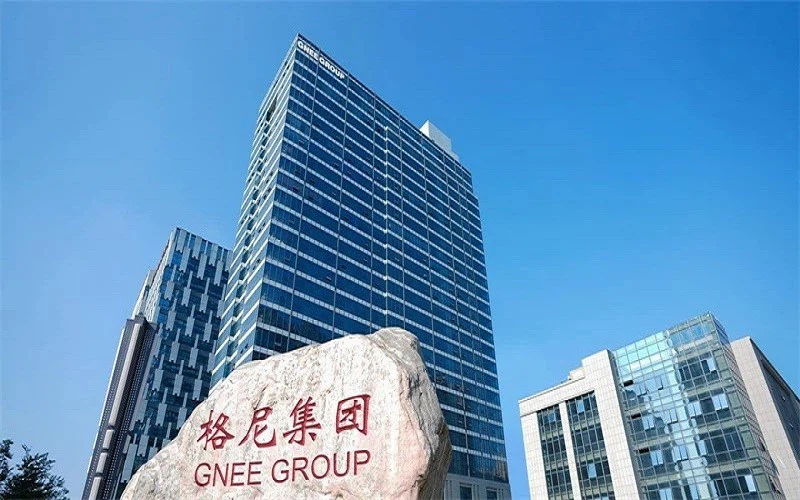
Amidst the vast land of China and the majestic Taihang Mountains lies Anyang, Henan Province, located on the eastern foothills of the Taihang mountain range. It is one of the eight ancient capitals of China and home to an outstanding steel supply chain enterprise – GNEE GROUP.

Our Certificate

FAQ
Q: What are photovoltaic brackets, and what is their purpose?
Q: What materials are typically used to manufacture PV brackets?
Q: How do you choose the right type of PV bracket for a solar installation?
Q: Are there different styles of PV brackets, and what are they?
Q: How do tilt angles affect the performance of solar panels, and how are they adjusted with PV brackets?
Q: What are the considerations for installing PV brackets on different roof types?
Q: How do you ensure that PV brackets are installed correctly and safely?
Q: Can PV brackets be painted to match the aesthetic of a building?
Q: What maintenance is required for PV brackets to ensure longevity?
Q: How do PV brackets contribute to the overall efficiency and reliability of solar power systems?
Q: Can I install photovoltaic brackets myself?
Q: How long do photovoltaic brackets last?
Q: What are the benefits of using a tracking system with photovoltaic brackets?
Q: Are there any safety considerations with photovoltaic brackets?
Q: Can photovoltaic brackets be used in commercial and industrial settings?
Q: How do photovoltaic brackets affect the appearance of a building?
Q: Are there any government incentives or rebates available for photovoltaic bracket installations?
Q: Can photovoltaic brackets be recycled?
Q: How do I choose the right size and capacity of photovoltaic brackets?
Q: Are photovoltaic brackets compatible with different types of photovoltaic panels?
We're professional photovoltaic bracket manufacturers and suppliers in China, specialized in providing high quality customized service. We warmly welcome you to buy cheap photovoltaic bracket for sale here and get free sample from our factory. For price consultation, contact us.
Galvanized Steel PV Mounting Structure, Galvanized Steel PV Photovoltaic Brackets, Solar Racking