

Cold Rolled Plate
Your Professional Cold Rolled Plate Supplier
Gnee Steel (tianjin) Co., Ltd. was established in Anyang, Henan, in 2008. Our main products include galvanized steel plates, cold-rolled steel plates, pre-coated steel plates, steel pipes, PPGI, PPGL, PPAL, color-coated steel plates, pre-processed steel plates, coil steel, galvanized processing parts, and other related products.
Certifications
We have successfully passed ISO, CE, and other system certifications. Additionally, our products have been tested and approved by SGS, TUV, BV, and other leading testing organizations.
Our Strengths
Gnee Steel is equipped with advanced steel processing capabilities, including precision slitting, cutting, and customized fabrication services. We can provide steel products in various sizes, thicknesses, and surface treatments according to different project requirements.
Sales Market
Our steel products are exported to customers across South America, Africa, the Middle East, Southeast Asia, and other international markets.
-
![ST14 Material Cold-rolled Steel Sheet]() ST14 Material Cold-rolled Steel SheetST14 cold-rolled steel sheet is a deep-drawing grade cold-rolled low-carbon steel sheet, widely used in industrial fields with high requirements for forming performance, such as automobiles and...read more
ST14 Material Cold-rolled Steel SheetST14 cold-rolled steel sheet is a deep-drawing grade cold-rolled low-carbon steel sheet, widely used in industrial fields with high requirements for forming performance, such as automobiles and...read more -
![SPCC/SGACC/SGAHC Cold Rolled For Automotive Brackets]() SPCC/SGACC/SGAHC Cold Rolled For Automotive BracketsProducts Description SPCC, SGACC, and SGAHC are premium cold rolled steel (CRC) grades designed for the unique demands of automotive bracket production-combining excellent formability, durability,...read more
SPCC/SGACC/SGAHC Cold Rolled For Automotive BracketsProducts Description SPCC, SGACC, and SGAHC are premium cold rolled steel (CRC) grades designed for the unique demands of automotive bracket production-combining excellent formability, durability,...read more -
![DC01 CRC Cold Rolled Steel Sheet]() DC01 CRC Cold Rolled Steel SheetDC01 cold rolled steel DC01 cold rolled steel is a mild steel grade known for its excellent forming ability, uniform mechanical performance, and superior surface quality. These characteristics are...read more
DC01 CRC Cold Rolled Steel SheetDC01 cold rolled steel DC01 cold rolled steel is a mild steel grade known for its excellent forming ability, uniform mechanical performance, and superior surface quality. These characteristics are...read more -
![Cold Rolled Steel DC01]() Cold Rolled Steel DC01DC01 steel DC steel plates have high tensile strength and elongation, giving them good processing properties during the manufacturing process and is easy to bend, stamp, form and weld. This makes...read more
Cold Rolled Steel DC01DC01 steel DC steel plates have high tensile strength and elongation, giving them good processing properties during the manufacturing process and is easy to bend, stamp, form and weld. This makes...read more -
![EN 10130 DC01 Steel 1.0330 Cold Rolled Steel Flat Sheet]() EN 10130 DC01 Steel 1.0330 Cold Rolled Steel Flat SheetDC01 steel DC01 steel (1.0330 material) is a European standard cold-rolled quality low-carbon steel flat product for cold forming. In BS and DIN EN 10130 standard, it contains 5 other steel...read more
EN 10130 DC01 Steel 1.0330 Cold Rolled Steel Flat SheetDC01 steel DC01 steel (1.0330 material) is a European standard cold-rolled quality low-carbon steel flat product for cold forming. In BS and DIN EN 10130 standard, it contains 5 other steel...read more -
![DC01 St12 Cold Rolled Steel]() DC01 St12 Cold Rolled SteelDC01 steel The prevalence and popularity of DC01 steel grades all about the everyday applications of cold rolled steel, as characterized by an exceptional appearance, working properties and...read more
DC01 St12 Cold Rolled SteelDC01 steel The prevalence and popularity of DC01 steel grades all about the everyday applications of cold rolled steel, as characterized by an exceptional appearance, working properties and...read more -
![DC01/DC02/DC03/DC04/DC05/DC06 Cold Rolled Steel Plate]() DC01/DC02/DC03/DC04/DC05/DC06 Cold Rolled Steel PlateProducts Description DC steel plates have high tensile strength and elongation, giving them good processing properties during the manufacturing process and is easy to bend, stamp, form and weld....read more
DC01/DC02/DC03/DC04/DC05/DC06 Cold Rolled Steel PlateProducts Description DC steel plates have high tensile strength and elongation, giving them good processing properties during the manufacturing process and is easy to bend, stamp, form and weld....read more -
![DIN EN 10130 DC01 Cold Rolled Steel 1.0330 Material]() DIN EN 10130 DC01 Cold Rolled Steel 1.0330 MaterialDIN EN 10130 DC01 Cold Rolled Steel DC01 steel (1.0330 material) is a European standard cold-rolled quality low-carbon steel flat product for cold forming. In BS and DIN EN 10130 standard, it...read more
DIN EN 10130 DC01 Cold Rolled Steel 1.0330 MaterialDIN EN 10130 DC01 Cold Rolled Steel DC01 steel (1.0330 material) is a European standard cold-rolled quality low-carbon steel flat product for cold forming. In BS and DIN EN 10130 standard, it...read more -
![DC01 DIN EN 10130 Low Carbon Steel Plate For Industry]() DC01 DIN EN 10130 Low Carbon Steel Plate For IndustryWhat Is DC01 Steel? DC01 steel is a low-carbon, cold-rolled steel grade specified in the EN 10130 standard, suitable for cold-rolled flat products made from unalloyed low-carbon steel....read more
DC01 DIN EN 10130 Low Carbon Steel Plate For IndustryWhat Is DC01 Steel? DC01 steel is a low-carbon, cold-rolled steel grade specified in the EN 10130 standard, suitable for cold-rolled flat products made from unalloyed low-carbon steel....read more -
![Cold Rolled Plate Deep Drawing DC06]() Cold Rolled Plate Deep Drawing DC06Cold-rolled steel sheets are thin steel sheets made from hot-rolled steel coils through pickling and rolling processes at room temperature. They are widely used in automobiles, home appliances,...read more
Cold Rolled Plate Deep Drawing DC06Cold-rolled steel sheets are thin steel sheets made from hot-rolled steel coils through pickling and rolling processes at room temperature. They are widely used in automobiles, home appliances,...read more -
![Cold Colled Steel Sheets DC04]() Cold Colled Steel Sheets DC04Cold-rolled steel sheets are thin steel sheets made from hot-rolled steel coils through pickling and rolling processes at room temperature. They are widely used in automobiles, home appliances,...read more
Cold Colled Steel Sheets DC04Cold-rolled steel sheets are thin steel sheets made from hot-rolled steel coils through pickling and rolling processes at room temperature. They are widely used in automobiles, home appliances,...read more -
![0.2mm To 3mm SPCC Cold Rolled Steel Sheet]() 0.2mm To 3mm SPCC Cold Rolled Steel SheetCold-rolled steel sheets are thin steel sheets made from hot-rolled steel coils through pickling and rolling processes at room temperature. They are widely used in automobiles, home appliances,...read more
0.2mm To 3mm SPCC Cold Rolled Steel SheetCold-rolled steel sheets are thin steel sheets made from hot-rolled steel coils through pickling and rolling processes at room temperature. They are widely used in automobiles, home appliances,...read more


What is Cold Rolled Plate?
Cold rolled plate refers to a type of sheet metal that has been processed through a series of rolling mills at room temperature (as opposed to hot rolling, which is done above the metal's recrystallization temperature). The cold rolling process increases the strength and hardness of the metal, improves its surface finish, and enhances dimensional accuracy.
Benefits of Cold Rolled Plate
Cold rolled plates offer several benefits due to their manufacturing process and the properties they acquire as a result. Here are some key advantages:
Improved strength and hardness
The cold working process during rolling increases the yield strength, tensile strength, and hardness of the metal. This makes cold rolled plates more suitable for structural applications that require higher strength.
Enhanced precision
Cold rolling allows for very tight control over the dimensions of the plate. The process can achieve closer tolerance levels, which is essential for parts that need to fit together precisely.
Smoother surface finish
The low rolling temperatures in the cold rolling process result in a smoother surface texture. This is advantageous for applications where aesthetics or the need for paint adhesion are important.
Better fatigue resistance
Due to the work hardening effect, cold rolled plates exhibit improved fatigue resistance compared to hot rolled counterparts. This is particularly beneficial for components that experience repeated stress cycles.
Reduced material waste
Cold rolling can produce thinner plates than hot rolling, allowing for more material to be obtained from the same volume of steel. This can lead to cost savings and reduced waste.
Greater selection of materials
A wider range of materials can be cold rolled compared to hot rolling. This includes not only carbon steels and alloy steels but also non-ferrous metals like stainless steel, aluminum, and copper.
Corrosion resistance
Cold rolling can improve the corrosion resistance of certain metals. For instance, cold rolled stainless steel can exhibit better resistance to pitting and general corrosion than hot rolled equivalents.
Tailored properties
Through controlled cold rolling and subsequent heat treatments, specific properties such as strength, ductility, and toughness can be tailored to meet the exact requirements of a given application.
Cold rolled plates come in various types based on the material they are made from, their characteristics, and the industry they are intended for. Here are some common types of cold rolled plates:
Carbon steel cold rolled plates:
These are the most common type and are used extensively in construction, manufacturing, and machinery industries. They offer good strength and formability at a relatively low cost.
Stainless steel cold rolled plates
Made from various grades of stainless steel, these plates have excellent corrosion resistance and are used in environments where sanitation and cleanliness are important, such as in the food processing and medical equipment industries.
Aluminum cold rolled plates
Known for their lightweight and non-magnetic properties, aluminum cold rolled plates are used in aircraft construction, transportation, and signage. They also provide good corrosion resistance and thermal conductivity.
Galvannealed cold rolled plates
These plates are carbon steel sheets with a galvannealed coating. The galvannealed coating is achieved by heat treating the galvanized coating, which provides a painted matte appearance and improved corrosion resistance.
Electro-galvanized cold rolled plates
These are carbon steel sheets coated with zinc through an electrolytic process. They have a smooth, shiny surface that is ideal for painting and printing applications.
Alloy Steel Cold Rolled Plates
These plates contain additional elements such as nickel, chromium, or vanadium that enhance their mechanical properties. They are used in high-stress applications, including automotive parts and machinery.
High-strength low-alloy (HSLA) steel cold rolled plates
These plates have enhanced strength relative to normal carbon steel plates while still being relatively easy to form and weld. They are often used in construction and heavy equipment manufacturing.
Application of Cold Rolled Plate
Cold rolled plates are widely used across various industries due to their enhanced strength, precision, and surface finish. Some of the primary applications include:
Automotive industry
Cold rolled plates are used to manufacture body panels, frames, and structural components of vehicles due to their superior strength-to-weight ratio and formability.
Construction industry
In construction, cold rolled plates are employed for building frameworks, support structures, and architectural cladding. Their enhanced strength and durability make them ideal for load-bearing applications.
Electrical appliances
Cold rolled stainless steel plates are used in the production of appliances such as refrigerators, washing machines, and dishwashers, where hygiene and corrosion resistance are crucial.
Furniture industry
The furniture sector uses cold rolled plates for the manufacture of steel furniture, filing cabinets, shelves, and other steel office products due to the material's strength and aesthetic finish.
Aerospace industry
In the aerospace industry, high-strength low-alloy (HSLA) cold rolled plates are used for aircraft components and structures that require lightweight yet robust materials to withstand high stress and fatigue.
Shipbuilding
Cold rolled steel plates are used in shipbuilding for constructing hulls, decks, and other structural components of ships and submarines, where resistance to corrosion and sea water is essential.
Electrical industry
Electrical switchgear, transformers, and other electrical components utilize cold rolled plates for their good electrical conductivity and magnetic properties.
White goods
Refrigerators, freezers, and air conditioning units often use cold rolled plates for internal shelving and structural supports due to their durability and ability to withstand low temperatures without losing strength.
Architectural and decorative applications
Cold rolled plates with a high-quality surface finish are used in the fabrication of decorative panels, balustrades, and facades, providing both strength and visual appeal.
Process of Cold Rolled Plate
The process of manufacturing cold rolled plates involves several steps that transform hot rolled coils into the finished product with improved mechanical properties and tighter dimensional tolerances. Here is a detailed description of the process:
Pickling
The first step involves cleaning the hot rolled coil to remove scales and impurities. The coil is submerged in a pickling solution, usually consisting of hydrochloric acid or sulphuric acid, which removes the oxide layer and cleans the surface.
Profiling
After pickling, the coil may be subjected to edge trimming to remove any irregularities or edges that could affect the rolling process or the final product quality.
Cold rolling
The cleaned and trimmed coil is then fed into a cold rolling mill. Cold rolling reduces the thickness of the metal at room temperature, which enhances its strength, hardness, and surface finish. The process can involve multiple passes through the mill to achieve the desired thickness.
Cutting to length
Once the coil reaches the desired thickness through cold rolling, it is cut into individual sheets or plates. The cutting is done using advanced machinery to maintain precision and consistency.
Surface finishing
Depending on the end use, the plates may undergo additional surface treatment processes such as skin passing, which provides a smoother surface texture and improves flatness.
Lamination
For some products, multiple cold rolled sheets may be laminated together to create a composite plate with enhanced properties.
Testing
Before leaving the facility, the cold rolled plates are subject to rigorous testing to ensure they meet the specified standards. Tests might include tension tests, hardness tests, and inspections for surface quality and dimensions.
Packaging & shipping
After testing and inspection, the cold rolled plates are packaged appropriately for protection during transit and are shipped to customers or distributors.
How to Maintain Cold Rolled Plate
Maintaining cold rolled plates involves several practices to preserve their integrity and performance. Here are key maintenance tips:
Cleanliness
Regularly clean the surface of the cold rolled plate to remove dirt, grease, and other contaminants that can cause corrosion. Use mild detergents and water, or appropriate solvents for specific contaminants.
Lubrication
If the plate is subject to wear or movement, apply a suitable lubricant to minimize friction and prevent damage. For example, in structural applications, ensure that moving parts are properly lubricated.
Protection from elements
Store cold rolled plates in a dry environment away from moisture and direct sunlight, which can lead to oxidation. Cover them with protective materials like plastic sheets or store them indoors if possible.
Avoid contact with disimilar metals
Keep the plate separate from other metals that could cause galvanic corrosion, especially those that are more anodic.
Regular inspections
Perform routine checks for signs of corrosion, cracks, or other forms of damage. Early detection allows for prompt and effective repairs.
Proper handling
When handling cold rolled plates, avoid sharp objects or tools that could scratch the surface. Use proper equipment to lift and move the plates to prevent bending or distortion.
Application-specific maintenance
Depending on the application, there may be additional maintenance requirements. For instance, in marine environments, the plate may need regular treatment with anti-fouling coatings or corrosion inhibitors.
Compliance with standards
Ensure that maintenance practices comply with industry standards and regulations applicable to the material and its use.
How to Choose Cold Rolled Plate
Selecting the appropriate cold rolled plate involves considering several key factors to ensure it meets the requirements of your application. Here's a detailed guide on how to choose cold rolled plates:
Grade: Determine the type of steel grade required, such as carbon steel, alloy steel, or stainless steel. Each grade has different mechanical properties and chemical compositions suited for various applications.
Thickness and width: Measurements must align with the intended use, taking into account any machining or fabrication processes that will occur after purchasing the plate.
Length: Choose the appropriate length based on project specifications and handling capabilities.
Thickness tolerances: Ensure the supplier provides cold rolled plates with acceptable thickness tolerances for your application.
Surface finish: Inspect the surface for quality, checking for any defects like scratches, dents, or imperfections. The smoother the surface, the less likely you are to need secondary finishing operations.
Certifications: Verify that the plates meet relevant national or international standards, such as ASTM, EN, or ISO specifications.
Tensile strength: Confirm that the plate's tensile strength meets the demands of your project.
Yield strength: Check the minimum yield strength to ensure it can withstand the loads it will be subjected to.
Elongation and ductility: Assess the material's ability to deform before fracturing, which is important for forming and welding operations.
Temper: Consider the temper of the cold rolled plate. Full hard, quarter hard, half hard, and so forth, each offering different levels of work hardening.
Annealing: If the plate will undergo further shaping, select one that has been annealed (if available) to improve ductility.
Service conditions: Understand the environmental conditions the plate will face, including temperature extremes, corrosive substances, and physical stresses.
Fabrication needs: Consider the fabrication process, such as cutting, bending, or welding, and choose a plate that can withstand these processes without compromising its integrity.
Reputation: Choose suppliers with a history of delivering high-quality products.
Capabilities: Ensure the supplier can provide the sizes, grades, and quantities needed.
Delivery time: Consider the supplier's lead time to ensure it fits within your project schedule.
Price: Compare prices from different suppliers while considering the overall value for money, including quality, service, and reliability.
Total cost: Factor in the cost of any additional processing or treatment that may be needed.
By carefully evaluating these factors, you can make an informed decision when selecting cold rolled plates for your projects. Always consult with suppliers and manufacturers for technical support and guidance tailored to your specific needs.
What Is the Difference Between Cold Rolled and Hot Rolled Plate?
The primary differences between cold rolled and hot rolled plates lie in the manufacturing process, surface finish, mechanical properties, cost, and applications.
Manufacturing process: Hot rolled plates are produced directly from billets or slabs heated to high temperatures (typically above 1000°C). The hot metal is then passed through a series of rollers to reduce its thickness into the desired plate size. In contrast, cold rolled plates are made from hot rolled coils that are further processed at room temperature. The coils are passed through rollers under pressure to achieve the necessary thickness and shape without heating.
Surface finish and appearance: Cold rolling produces a smoother and more uniform surface finish than hot rolling because the material is worked at lower temperatures, which minimizes the formation of scale and other imperfections. This results in a cleaner, brighter appearance and often requires less finishing work. Hot rolled plates have a rougher surface due to the presence of scale and may require additional surface treatments before use.
Mechanical properties: Due to the strain hardening that occurs during the cold rolling process, cold rolled plates generally exhibit higher strength and hardness compared to hot rolled plates. They also have better dimensional accuracy and tighter tolerances since the material is worked under controlled conditions. Hot rolled plates, being formed at elevated temperatures, tend to have less internal stress and are more ductile, making them easier to form into complex shapes.
Cost: Hot rolled plates are typically less expensive than cold rolled plates because the process is simpler and requires less energy. The additional steps and tighter tolerances involved in the production of cold rolled plates contribute to higher costs.
Applications: The choice between hot rolled and cold rolled plates depends on the specific requirements of the application. Hot rolled plates are often used in applications where the material will be bent or shaped, such as in structural steel frames. Cold rolled plates are preferred for applications that require higher strength and closer dimensional tolerance, such as in automotive parts or high-precision engineering components.
How Are Cold-Rolled Plates Tested for Quality?
Cold-rolled plates are subjected to a variety of tests to ensure their quality and compliance with industry standards. These tests assess different aspects of the material's properties, including chemical composition, mechanical characteristics, surface integrity, and dimensions. Here's an overview of common testing procedures:

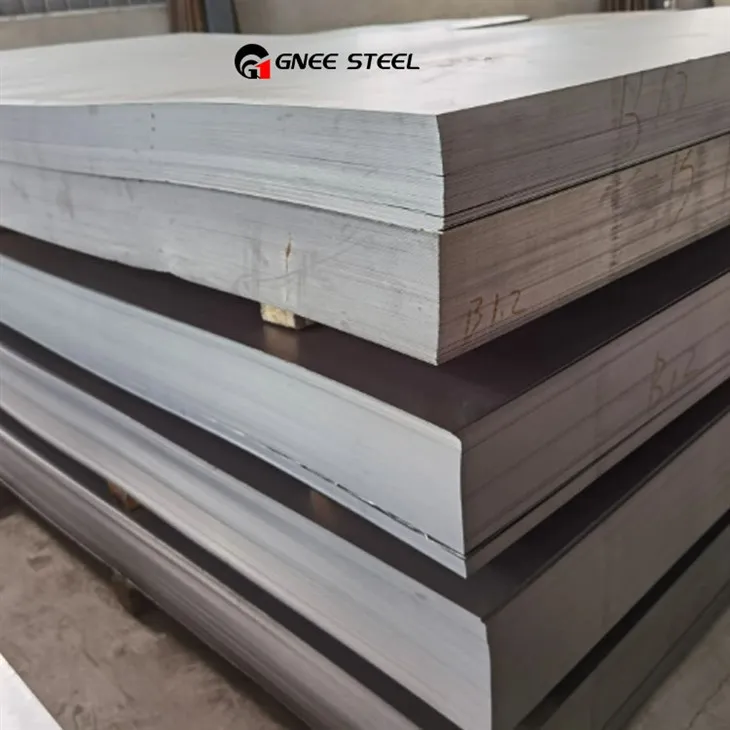
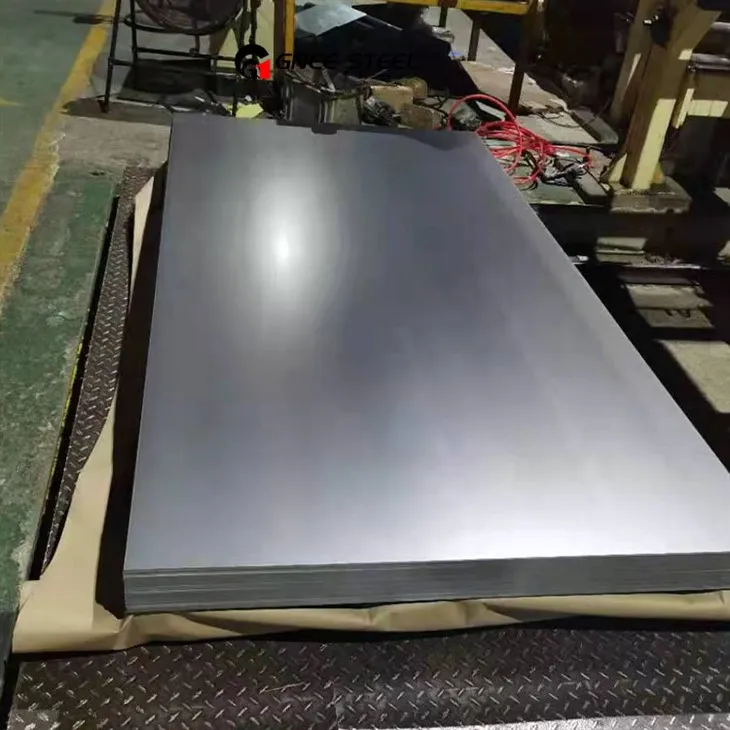

Visual inspection: This is the initial step where plates are inspected for obvious defects such as scratches, dents, edge cracks, and any irregularities in the surface finish.
Dimensional measurement: Using precision measuring tools like calipers and micrometers, critical dimensions such as thickness, width, length, and squareness are checked against specified tolerances.
Hardness testing: Tests such as Brinell, Rockwell, or Vickers hardness measurements are conducted to determine the hardness of the material, which is an indicator of its resistance to deformation.
Tensile testing: Also known as a tension test, this assesses the strength and ductility of the material by subjecting a sample to uniaxial tensile forces until failure. Key parameters measured include ultimate tensile strength, yield strength, elongation, and reduction of area.
Yield ratio test: This calculates the ratio of yield strength to tensile strength to ensure the material meets design requirements for safety and performance.
Elongation and reduction of area tests: These tests quantify the material’s ability to deform before fracture, which is crucial for understanding its forming and bending capabilities.
Impact testing: Charpy and/or pendulum impact tests determine the material's toughness by measuring the energy absorbed during fracture.
Flatness testing: Plates are checked for warpage or bowing, ensuring they meet flatness specifications critical for many applications.
Roughness testing: Surface roughness is measured using instruments such as profilometers, which assesses the plate's smoothness and is important for applications where surface finish impacts performance.
Chemical analysis: Spectrographic analysis or other methods are used to verify the chemical composition of the steel to ensure it conforms to the required standards or specifications.
Magnetic particle inspection (MPI) or liquid penetrant inspection (LPI): These non-destructive testing methods reveal surface and shallow subsurface discontinuities that might compromise the plate's integrity.
Ultrasonic testing (UT) or radiographic testing (RT): These non-destructive examinations detect internal defects such as seams, cracks, and inclusions that could affect the plate's performance.
Our Factory
Amidst the vast land of China and the majestic Taihang Mountains lies Anyang, Henan Province, located on the eastern foothills of the Taihang mountain range. It is one of the eight ancient capitals of China and home to an outstanding steel supply chain enterprise – GNEE GROUP.


Our Certificate

FAQ
Q: What is a cold-rolled plate?
Q: What are the advantages of cold-rolled plates?
Q: How are cold-rolled plates manufactured?
Q: What are the common applications of cold-rolled plates?
Q: Can cold-rolled plates be customized to specific sizes and thicknesses?
Q: What is the difference between cold-rolled and hot-rolled plates?
Q: Are cold-rolled plates corrosion-resistant?
Q: How do I choose the right grade of cold-rolled plate for my application?
Q: Can cold-rolled plates be painted or coated?
Q: What are the mechanical properties of cold-rolled plates?
Q: How are cold-rolled plates tested for quality?
Q: Are cold-rolled plates magnetic?
Q: Can cold-rolled plates be used in outdoor applications?
Q: How do I handle and store cold-rolled plates?
Q: What are the forming capabilities of cold-rolled plates?
Q: Can cold-rolled plates be welded?
Q: What are the thickness options for cold-rolled plates?
Q: How do I ensure the flatness of cold-rolled plates?
Q: Are cold-rolled plates cost-effective?
Q: Can cold-rolled plates be recycled?
Q: How do I maintain the surface quality of cold-rolled plates?
Q: What are the packaging options for cold-rolled plates?
Q: Can cold-rolled plates be used in high-temperature applications?
Q: How do I identify the grade of a cold-rolled plate?
Q: Are there any special considerations when working with cold-rolled plates?
These questions and answers provide a basic understanding of cold-rolled plates. For more detailed information, it's recommended to consult with steel manufacturers or refer to specific industry standards and guidelines. If you have any specific applications or concerns, feel free to ask further questions.
We're professional cold rolled plate manufacturers and suppliers in China, specialized in providing high quality customized service. We warmly welcome you to buy cheap cold rolled plate for sale here and get free sample from our factory. For price consultation, contact us.
Commercial Cold Rolled SPCC Steels, Mild Steel Sheet Cold Rolled, astm 1008 steel