

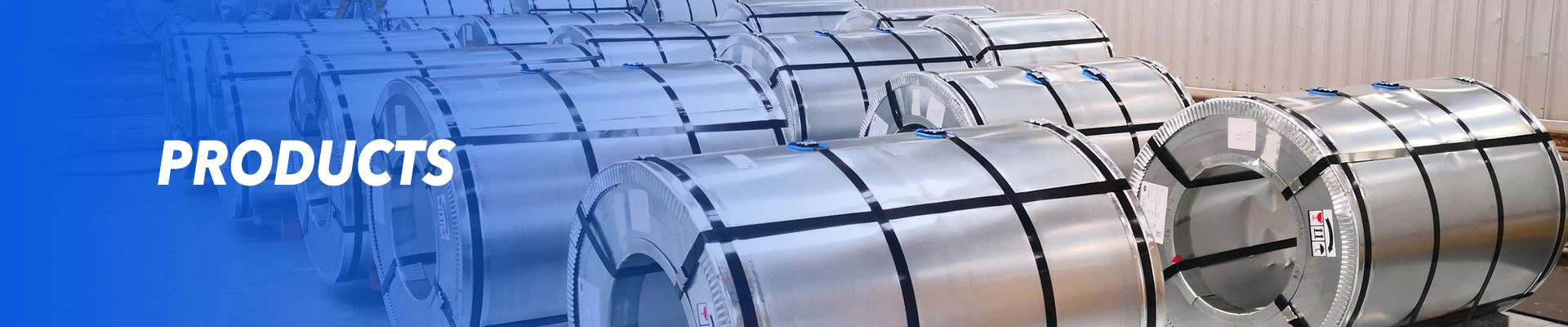
Silicon Steel
Your Professional Silicon Steel Supplier
Gnee Steel (tianjin) Co., Ltd. was established in Tianjin, in 2008. Our main products include galvanized steel plates, cold-rolled steel plates, pre-coated steel plates, steel pipes, PPGI, PPGL, PPAL, color-coated steel plates, pre-processed steel plates, coil steel, galvanized processing parts, and other related products.
Certifications
We have successfully passed ISO, CE, and other system certifications. Additionally, our products have been tested and approved by SGS, TUV, BV, and other leading testing organizations.
Our Strengths
Gnee Steel is equipped with advanced steel processing capabilities, including precision slitting, cutting, and customized fabrication services. We can provide steel products in various sizes, thicknesses, and surface treatments according to different project requirements.
Sales Market
Our steel products are exported to customers across South America, Africa, the Middle East, Southeast Asia, and other international markets.
-
![35W360 Steel Coil Non-Oriented Electrical Steel]() 35W360 Steel Coil Non-Oriented Electrical Steel35W360 is a 0.35 mm non-oriented electrical steel with a maximum core loss of 3.60 W/kg at 1.5 T / 50 Hz, used for motor and generator cores.read more
35W360 Steel Coil Non-Oriented Electrical Steel35W360 is a 0.35 mm non-oriented electrical steel with a maximum core loss of 3.60 W/kg at 1.5 T / 50 Hz, used for motor and generator cores.read more -
![Hot Rolled Silicon Steel Coil]() Hot Rolled Silicon Steel CoilIt is roughly classified into hot-rolled electric steel and cold-rolled electric steel.read more
Hot Rolled Silicon Steel CoilIt is roughly classified into hot-rolled electric steel and cold-rolled electric steel.read more -
![Hot Rolled Silicon Coil]() Hot Rolled Silicon CoilSilicon steel is a silicon iron alloy with a silicon content of 3%~ 5%.Divided into oriented silicon steel and non-oriented silicon steel, it is an important soft magnetic alloy which is...read more
Hot Rolled Silicon CoilSilicon steel is a silicon iron alloy with a silicon content of 3%~ 5%.Divided into oriented silicon steel and non-oriented silicon steel, it is an important soft magnetic alloy which is...read more -
![M36 Silicon Steel]() M36 Silicon SteelSilicon steel is a silicon iron alloy with a silicon content of 3%~ 5%.Divided into oriented silicon steel and non-oriented silicon steel, it is an important soft magnetic alloy which is...read more
M36 Silicon SteelSilicon steel is a silicon iron alloy with a silicon content of 3%~ 5%.Divided into oriented silicon steel and non-oriented silicon steel, it is an important soft magnetic alloy which is...read more -
![Cold-rolled Non-oriented Electrical Steel For Use At Medium Frequencies]() Cold-rolled Non-oriented Electrical Steel For Use At Medi...Cold-rolled Non-oriented Electrical Steel for Use at Medium Frequencies is a specialized steel designed for efficient performance in electrical applications at medium frequencies, featuring...read more
Cold-rolled Non-oriented Electrical Steel For Use At Medi...Cold-rolled Non-oriented Electrical Steel for Use at Medium Frequencies is a specialized steel designed for efficient performance in electrical applications at medium frequencies, featuring...read more -
![Cold Rolled Grain Non-Oriented Silicon Steel CRNGO]() Cold Rolled Grain Non-Oriented Silicon Steel CRNGONon-oriented silicon steel is a ferrosilicon alloy with very low carbon content. In the steel plate after deformation and annealing, the grains are distributed in random orientation.read more
Cold Rolled Grain Non-Oriented Silicon Steel CRNGONon-oriented silicon steel is a ferrosilicon alloy with very low carbon content. In the steel plate after deformation and annealing, the grains are distributed in random orientation.read more -
![Cold Rolled Grain Non-Oriented CRNGO Silicon Steel Coil]() Cold Rolled Grain Non-Oriented CRNGO Silicon Steel CoilNon-oriented silicon steel is a ferrosilicon alloy with very low carbon content. In the steel plate after deformation and annealing, the grains are distributed in random orientation.read more
Cold Rolled Grain Non-Oriented CRNGO Silicon Steel CoilNon-oriented silicon steel is a ferrosilicon alloy with very low carbon content. In the steel plate after deformation and annealing, the grains are distributed in random orientation.read more -
![Cold-Rolled CRNGO Non-Oriented Silicon Steel]() Cold-Rolled CRNGO Non-Oriented Silicon SteelNon-oriented electrical steels are iron-silicon alloys in which magnetic properties are practically the same in any direction in the plane of the material. Non-oriented electrical steels are...read more
Cold-Rolled CRNGO Non-Oriented Silicon SteelNon-oriented electrical steels are iron-silicon alloys in which magnetic properties are practically the same in any direction in the plane of the material. Non-oriented electrical steels are...read more -
![Cold Rolled Non-oriented Silicon Steel CRNGO]() Cold Rolled Non-oriented Silicon Steel CRNGOCold-rolled electrical steel is also called silicon steel, As the name suggests, the electrician silicon steel is made by cold rolled with the silicon content ranged from 0.8%-4.8%.read more
Cold Rolled Non-oriented Silicon Steel CRNGOCold-rolled electrical steel is also called silicon steel, As the name suggests, the electrician silicon steel is made by cold rolled with the silicon content ranged from 0.8%-4.8%.read more -
![Non Grain Oriented Silicon Steel - CRNGO]() Non Grain Oriented Silicon Steel - CRNGONon-oriented silicon steel, also known as non-oriented silicon steel, is a kind of low carbon steel containing a certain amount of silicon element. Its main features are good magnetic properties...read more
Non Grain Oriented Silicon Steel - CRNGONon-oriented silicon steel, also known as non-oriented silicon steel, is a kind of low carbon steel containing a certain amount of silicon element. Its main features are good magnetic properties...read more -
![M35W230 Cold Rolled Non-oriented Silicon Steel Plate]() M35W230 Cold Rolled Non-oriented Silicon Steel PlateNon-oriented silicon steel also has excellent resistance to rust and corrosion, which makes it an ideal choice for use in outdoor electrical equipment. It is also highly durable and can withstand...read more
M35W230 Cold Rolled Non-oriented Silicon Steel PlateNon-oriented silicon steel also has excellent resistance to rust and corrosion, which makes it an ideal choice for use in outdoor electrical equipment. It is also highly durable and can withstand...read more -
![CRNGO Cold Rolled Non-oriented Silicon Steel]() CRNGO Cold Rolled Non-oriented Silicon SteelCold-rolled non-oriented silicon steel, also known as cold-rolled electrical silicon steel, is mostly used to make generators. Steel strips that have been cold rolled to the final product...read more
CRNGO Cold Rolled Non-oriented Silicon SteelCold-rolled non-oriented silicon steel, also known as cold-rolled electrical silicon steel, is mostly used to make generators. Steel strips that have been cold rolled to the final product...read more


What is Silicon Steel?
Silicon steel, also known as silicon electrical steel, is an alloy consisting primarily of iron with added silicon. Silicon is added to the steel in amounts typically ranging from 2% to 6%. The primary purpose of adding silicon to steel is to reduce the electrical losses that occur when the material is subject to an alternating current (AC) magnetic field, which is common in electromagnetic applications such as motors, transformers, and inductors.
Reduced power losses
Silicon steel's increased resistivity compared to pure iron results in reduced hysteretic losses, which are the energy losses due to the heating effect caused by the repeated magnetization and demagnetization of the material in an AC magnetic field. Lower losses mean more efficient operation and less heat generation, which can extend the lifespan of the equipment.
Enhanced magnetic permeability
The addition of silicon improves the material's ability to become magnetized, allowing for easier manipulation of the magnetic field. This property is crucial for components that need to efficiently conduct magnetic fields, such as transformer cores.
Increased mechanical strength
Silicon contributes to the tensile strength of the steel, allowing for thinner laminations to be used while maintaining the same strength as thicker iron sheets. Thinner sheets reduce the eddy current losses, which are another type of power loss that occurs due to circulating currents induced within the metal.
Improved thermal conductivity
While silicon itself doesn't have high thermal conductivity, the overall alloy can be formulated to enhance heat dissipation, which is beneficial for managing the temperature of electrical components during operation.
Controlled grain orientation
Silicon steel can be processed to have a specific grain orientation, which aligns with the direction of the magnetic flux. This {110} texture further improves the material's magnetic properties and reduces losses.
Corrosion resistance
The alloying of silicon with iron not only affects its magnetic properties but also provides some degree of corrosion resistance, which is beneficial in various environments where equipment may be exposed to moisture or corrosive substances.
Customizable properties
Silicon steel is available in different grades with varying silicon content, which allows manufacturers to tailor the material properties to suit specific application needs in terms of loss characteristics, magnetic performance, and mechanical strength.
Types of Silicon Steel
Wrought silicon electrical steel
This is the most common type and is used in a wide range of applications. It contains between 2% and 6% silicon and is processed into thin sheets or laminations for core components in electrical machines.
Non-oriented silicon steel (NO)
Also known as cold-rolled grain-oriented (CRGO) steel, this type has no preferred magnetic direction and is used for applications where the magnetic field is not unidirectional, such as in distribution transformers.
Oriented silicon steel (GO)
This type of steel has a strong preferential orientation of the crystal lattice, typically along the {110} crystallographic direction, which aligns with the direction of the magnetic flux. It is used in applications requiring high efficiency, such as large power transformers and reactors.
High silicon steel
This grade contains a higher percentage of silicon (up to 6.5%) and is used for specific applications where even lower core losses are required, such as in high-frequency transformers and chokes.
Silicon steel for speeds above 2000 RPM
This type is designed for high-speed applications where the core material is subjected to high mechanical stress. It has improved mechanical strength to withstand these conditions.
Silicon steel for speeds below 1500 RPM
This grade is optimized for lower speed applications and has characteristics that provide better performance under these conditions.
Application of Silicon Steel
Silicon steel is widely utilized in various applications due to its excellent magnetic and electrical properties. Its primary use is in components that require efficient handling of alternating magnetic fields, such as:
Transformers
Silicon steel is the primary material used in transformer cores because it minimizes energy losses from magnetic hysteresis and eddy currents. Its high magnetic permeability allows for the efficient transformation of AC voltages and currents.
Motors and generators
In electric motors, silicon steel is used in stator and rotor laminations to reduce energy losses and increase efficiency. Similarly, in generators, it facilitates the conversion of mechanical energy into electrical energy with minimal losses.
Inductors and chokes
These components use silicon steel to store energy in the form of a magnetic field. They are commonly found in power supply units, where they filter out AC ripple in DC circuits and control current flow.
Solenoids and electromagnets
Silicon steel enhances the performance of solenoids and electromagnets by increasing their magnetic efficiency and reducing energy consumption.
Electrical transmission and distribution
Due to its ability to reduce losses, silicon steel is employed in the construction of electrical switchgear and other components involved in the transmission and distribution of electrical power.
Power electronics
Silicon steel is utilized in the magnetic cores of power electronic components like transformers, inductors, and filters that are used in converters and inverters.
Audio equipment
In speakers and audio transformers, silicon steel is used to improve sound quality by reducing distortion and noise caused by magnetic losses.
Medical devices
Certain medical equipment, such as MRI machines, relies on the magnetic properties of silicon steel to create and maintain the powerful magnetic fields necessary for imaging.
Components of Silicon Steel
Iron matrix
Iron is the primary component of silicon steel, providing the structural framework for the material. The iron matrix dictates the basic magnetic and mechanical properties of the steel.
Silicon additive
Silicon is added to the iron matrix to enhance magnetic properties. It increases electrical resistivity, which reduces eddy current losses, and contributes to improved thermal stability and increased strength compared to pure iron.
Precipitates
During the manufacturing process, certain elements can be added to induce the formation of fine precipitates within the steel. These precipitates, such as iron silicides, can further refine the grain structure and improve magnetic properties.
Grains and crystal lattice
The iron and silicon atoms are arranged in a crystalline structure. In oriented silicon steel, the grains are aligned in a specific direction ({110} crystallographic orientation) to optimize the magnetic path for the flux.
Laminations
Silicon steel is commonly manufactured into thin sheets or laminations to be used in electrical components. These laminations are insulated from each other to reduce eddy current losses when an alternating current is applied.
Insulating coatings
To prevent short-circuiting between laminations and to reduce eddy current losses, the surfaces of the silicon steel laminations are often coated with a thin layer of insulation, such as oxide, paint, or resin.
Process of Silicon Steel
The production of silicon steel involves several complex processes aimed at optimizing its magnetic properties while minimizing core losses and enhancing electrical resistivity. Here is an overview of the typical manufacturing process:
Melting and alloying: Pure iron is melted in a furnace along with scrap metal for recycling purposes. Silicon is added in the form of ferrosilicon alloys to achieve the desired silicon content. Other elements such as aluminum, copper, and nickel may also be added to modify the properties of the steel.
Refining: The molten alloy is refined to remove impurities and adjust the chemical composition. This step ensures that the final product meets stringent specifications for magnetic and electrical properties.
Casting: The refined molten alloy is cast into blooms or slabs, which are solidified semi-finished products that can be reheated and worked into thinner shapes.
Hot rolling: The blooms or slabs are heated to temperatures above 1000°C in a reheating furnace and then hot rolled into thin strips or sheets. This process is conducted at high temperatures to reduce energy consumption and minimize the introduction of defects.
Cold rolling: The hot rolled steel is then subjected to cold rolling at room temperature to achieve the final thickness required for silicon steel. Cold rolling improves the magnetic properties by refining the grain structure and increasing the strength and hardness of the material.
Annealing: After cold rolling, the steel undergoes a controlled annealing process. This involves heating the material to a temperature just below the Curie point (the temperature above which the material loses its ferromagnetism) and then cooling it slowly. This process relieves stresses, improves ductility, and recrystallizes the grains to align in a preferred orientation for better magnetic properties.
Coating: To reduce eddy current losses, the annealed steel is coated with an insulating material such as zirconium oxide, magnesium oxide, or a varnish-like organic coating. This insulating layer is usually applied by a spraying or dipping technique.
Inspection and finishing: The final product is inspected for surface and dimensional quality. It may also undergo further finishing processes such as cutting to length, slitting to width, or packaging for shipment.

How to Maintain Silicon Steel
1. Proper storage: When not in use, silicon steel should be stored in a dry environment to prevent rust and corrosion. Cover the steel with protective wraps or coatings to shield it from humidity and airborne contaminants.
2. Avoid mechanical damage: Handle silicon steel carefully to avoid bending, denting, or scratching the surface. Mechanical damage can impair the material's magnetic performance and increase electrical losses.
3. Insulation integrity: Regularly inspect the insulation on silicon steel laminations for any signs of wear, cracking, or peeling. Ensure that the insulation remains intact to maintain its effectiveness in preventing eddy current losses.
4. Environmental control: Monitor the operating environment to ensure it does not exceed the maximum temperature and humidity levels specified for the silicon steel. High temperatures can degrade the insulation and alter the magnetic properties.
5. Prevent corrosion: Apply rust inhibitors or coatings where necessary, especially if the silicon steel is exposed to corrosive environments. Regular cleaning with mild detergents can help remove corrosive substances that may adhere to the steel surface.
6. Monitor operating conditions: Keep track of the operating conditions of silicon steel in electrical equipment, such as in transformers or motors. Excessive heat, vibration, or mechanical stress can accelerate material degradation.
7. Periodic inspections: Perform regular inspections of the silicon steel components to identify any issues early on. Look for signs of deterioration, such as discoloration, warping, or delamination of the laminations.
8. Thermal management: Ensure adequate cooling is provided to the silicon steel in high-load applications. Implement heat sinks, fans, or liquid cooling systems if necessary to dissipate heat effectively.
9. Replace damaged components: If any part of the silicon steel exhibits signs of damage or deterioration, replace it promptly to prevent further degradation and ensure the reliability of the system.
10. Training personnel: Educate maintenance personnel about the proper handling and care of silicon steel to minimize the risk of damage during service and maintenance activities.

The origin of electrical steel can be traced back to the late 19th century when the need for improved electrical devices, such as transformers and electric motors, became apparent. The development of electrical steel was driven by the desire to reduce energy losses in the magnetic components of these devices.
One of the key figures in the development of electrical steel was Charles F. Burgess, a British inventor. In 1888, Burgess discovered that adding silicon to steel could significantly increase its electrical resistivity. This property meant that the steel would lose less energy in the form of eddy currents when subjected to changing magnetic fields, which are typical in transformers and electric motors.
Burgess patented his invention, which he called "Silicium Steel," and founded the Silicium Steel Company to produce this new material. His discovery led to the creation of a new class of steel specifically designed for use in electrical equipment.
As electrical engineering and power generation expanded rapidly during the early 20th century, the demand for materials like electrical steel grew. Other inventors and companies further developed the technology, improving the process for adding silicon to steel and refining the properties of the resulting alloys.
How Does Electrical Steel Work?
Electrical steel works by enhancing the efficiency of magnetic cores in electrical machinery. The primary function of the steel in these applications is to facilitate the flow of a magnetic field with minimal resistance and energy loss. Here's how it accomplishes this:
Electrical steel has a silicon content typically ranging from 2.5% to 6.5%. Silicon increases the electrical resistivity of the steel, which means it hinders the flow of electrical currents that occur within the steel's core when subjected to a changing magnetic field. These currents, known as eddy currents, generate heat and cause energy losses. Higher resistivity in electrical steel reduces these losses by inhibiting the flow of eddy currents.
When a magnetic field changes inside a material, the magnetic domains within the material struggle to keep up, causing energy to be lost in the form of heat. This phenomenon is known as hysteresis. The silicon in electrical steel stabilizes the magnetic domains, reducing the energy lost due to this effect.
For certain applications, such as power transformers, a special type of electrical steel called cold-rolled grain-oriented (CRGO) steel is used. This steel has its magnetic grains oriented in the direction of the rolling process, which enhances its magnetic properties along this axis. This orientation ensures that the magnetic field lines align with the grain structure, minimizing reluctance (resistance to magnetic flow) and further reducing losses.
To further reduce losses, electrical steel is often coated with insulating materials such as zinc or resin. These coatings provide isolation between the steel's laminations, preventing eddy currents from flowing through the layers of the core and thus reducing additional losses.
How Is Electrical Steel Different From Regular Steel?
Electrical steel, also known as silicon steel, differs from regular steel in several key ways:
Composition: Electrical steel has a higher silicon content compared to regular steel. This added silicon improves electrical resistivity and stabilizes the magnetic properties of the steel.
Magnetic properties: Due to its composition, electrical steel exhibits superior magnetic properties compared to regular steel. It can efficiently conduct a magnetic field with reduced losses, making it ideal for applications requiring efficient magnetic performance.
Loss reduction: Electrical steel is designed to minimize two types of losses associated with magnetic fields: eddy current losses and hysteresis losses. Its higher resistivity and specialized grain orientation help reduce these losses.
Lamination: To further reduce eddy current losses, electrical steel is often produced in thin laminations and insulated from each other with coatings. Regular steel is generally not processed in this manner.
Application: Electrical steel is specifically engineered for use in electrical applications such as transformers, electric motors, and generators. Regular steel is more versatile and used in a wide array of construction, manufacturing, and structural applications.
Cost and availability: Because of its specialized properties and manufacturing process, electrical steel is typically more expensive than regular steel. Additionally, it may not be as readily available in standard steel supply markets.
Manufacturing process: Electrical steel goes through a more complex manufacturing process than regular steel to achieve its specialized properties. This includes cold rolling to precise thicknesses and applying insulating coatings to the individual laminations.

What Are the Challenges in Manufacturing Silicon Steel?
Manufacturing silicon steel presents several challenges due to its specialized nature and the precision required to achieve desired magnetic properties:
1. Control of silicon content: The silicon content must be precisely controlled to achieve the optimal balance of electrical resistivity and magnetic stability. Too much or too little silicon can compromise the steel's performance.
2. Grain orientation: For certain grades of electrical steel, such as CRGO, achieving the correct grain orientation is critical for maximizing the material's magnetic properties along the rolling direction. This requires sophisticated rolling techniques and quality control measures.
3. Thickness control: Silicon steel is often manufactured in very thin sheets to reduce eddy current losses. Ensuring consistent thickness across the width and length of the coil, especially at such fine tolerances, is technically challenging.
4. Insulation process: The steel needs to be insulated between laminations to prevent eddy current losses. The insulation coating must be even, durable, and resistant to high temperatures without impairing the steel's magnetic properties.
5. Surface quality: The surface of the steel must be free from defects such as inclusions, scratches, and oxides, which can disrupt the magnetic flux and lead to increased losses. Maintaining high surface quality throughout the manufacturing process is essential.
6. Scale production: While the material specifications for silicon steel are stringent, it is also necessary to produce it on an industrial scale. Balancing the need for high-quality output with the demands of volume production is a challenge.
7. Energy efficiency and environmental impact: The production of silicon steel is energy-intensive, and there is pressure to reduce the carbon footprint of manufacturing processes. Optimizing energy consumption and developing more sustainable production methods are ongoing challenges.
8. Yield improvement: As silicon steel is produced in thin sheets, waste can accumulate quickly if there are trimming errors or defects. Improving yield and minimizing waste are important considerations in the manufacturing process.
9. Quality assurance: Given the strict requirements for electrical steel, comprehensive quality assurance measures are essential. This involves testing and inspection procedures to ensure that every batch meets the necessary standards for magnetic performance and physical integrity.
10. Technological advancements: Keeping abreast of technological developments in steelmaking, rolling technologies, and automation is necessary to maintain competitiveness and meet evolving market demands.

Our Factory

Our Certificate

FAQ
Q: What is Silicon Steel?
Q: Why is Silicon Added to Steel?
Q: What are the Manufacturing Processes Involved in Producing Silicon Steel?
Q: How Does Silicon Content Affect Silicon Steel Properties?
Q: What Are the Different Grades of Silicon Steel?
Q: How Do You Maintain Silicon Steel?
Q: What Are Some Common Applications of Silicon Steel?
Q: What Environmental Factors Can Affect the Performance of Silicon Steel?
Q: How Is Silicon Steel Recycled?
Q: What Are the Challenges in Manufacturing Silicon Steel?
Q: Is silicon steel affected by temperature?
Q: How does silicon steel compare to other magnetic materials?
Q: What are the advantages of using silicon steel in motors?
Q: Can silicon steel be used in high-frequency applications?
Q: How is the magnetic permeability of silicon steel measured?
Q: What are the factors that affect the magnetic properties of silicon steel?
Q: Are there any environmental concerns with silicon steel?
Q: How does the choice of silicon steel affect the size and weight of electrical equipment?
Q: What are the maintenance requirements for silicon steel-based equipment?
Q: Can silicon steel be used in power electronics applications?
We're professional silicon steel manufacturers and suppliers in China, specialized in providing high quality customized service. We warmly welcome you to buy cheap silicon steel for sale here and get free sample from our factory. For price consultation, contact us.
Silicon Steel Coils