

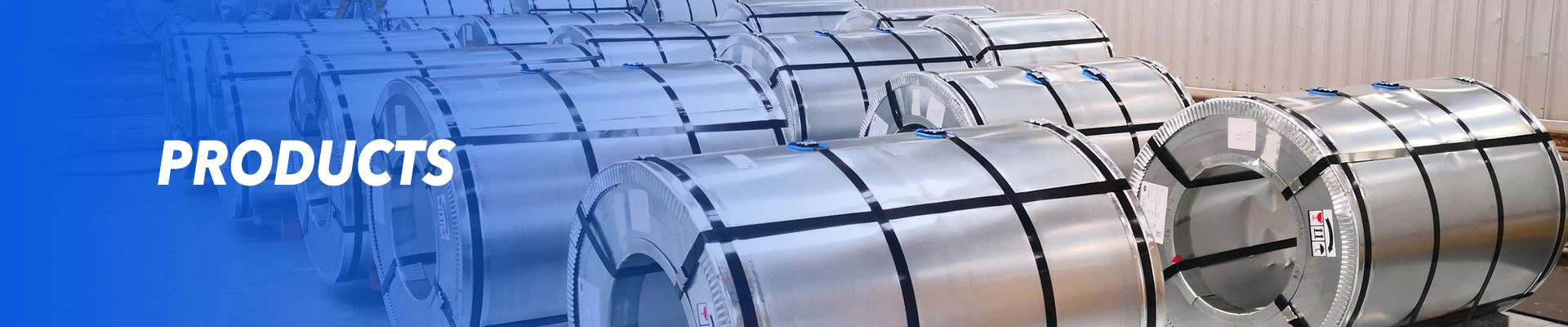
Electro Galvanized Steel
Your Professional Electro Galvanized Steel Supplier
Gnee Steel (tianjin) Co., Ltd. was established in Anyang, Henan, in 2008. Our main products include galvanized steel plates, cold-rolled steel plates, pre-coated steel plates, steel pipes, PPGI, PPGL, PPAL, color-coated steel plates, pre-processed steel plates, coil steel, galvanized processing parts, and other related products.
Certifications
We have successfully passed ISO, CE, and other system certifications. Additionally, our products have been tested and approved by SGS, TUV, BV, and other leading testing organizations.
Our Strengths
Gnee Steel is equipped with advanced steel processing capabilities, including precision slitting, cutting, and customized fabrication services. We can provide steel products in various sizes, thicknesses, and surface treatments according to different project requirements.
Sales Market
Our steel products are exported to customers across South America, Africa, the Middle East, Southeast Asia, and other international markets.
-
![SECD Electro-galvanized Steel Sheets]()
-
![SECC Electro-Galvanized Steel Sheet JIS G 3313]() SECC Electro-Galvanized Steel Sheet JIS G 3313SECC Electro galvanized steel is a type of steel that has been coated with a thin layer of zinc to enhance its resistance to rust and corrosion. The electro-galvanizing process involves the...read more
SECC Electro-Galvanized Steel Sheet JIS G 3313SECC Electro galvanized steel is a type of steel that has been coated with a thin layer of zinc to enhance its resistance to rust and corrosion. The electro-galvanizing process involves the...read more -
![SPCE Electro Galvanized Steel Sheet]() SPCE Electro Galvanized Steel SheetSPCE electro galvanized sheet metal is an electrogalvanized steel sheet with specific uses, mainly used for deep drawing purposes. read more
SPCE Electro Galvanized Steel SheetSPCE electro galvanized sheet metal is an electrogalvanized steel sheet with specific uses, mainly used for deep drawing purposes. read more -
![SPCD Electro-galvanized Steel Sheet]() SPCD Electro-galvanized Steel SheetSPCD electro-galvanized steel sheet is a stamping material with a zinc layer on the surface of the cold-rolled sheet, which has the characteristics of rust and corrosion resistance.read more
SPCD Electro-galvanized Steel SheetSPCD electro-galvanized steel sheet is a stamping material with a zinc layer on the surface of the cold-rolled sheet, which has the characteristics of rust and corrosion resistance.read more -
![SECCN5 Galvanized Steel Coil]() SECCN5 Galvanized Steel CoilSECCN5 galvanized steel coil is an electro-galvanized steel sheet with fingerprint resistance, which is widely used in many fields such as automobiles, metal products, household appliances,...read more
SECCN5 Galvanized Steel CoilSECCN5 galvanized steel coil is an electro-galvanized steel sheet with fingerprint resistance, which is widely used in many fields such as automobiles, metal products, household appliances,...read more -
![DC56D+ZF Galvanized Steel Sheet]() DC56D+ZF Galvanized Steel SheetDC56D+ZF electro-galvanized steel sheet is widely used in automobile manufacturing to manufacture important structural parts such as automobile bodies, carriages, and frames.read more
DC56D+ZF Galvanized Steel SheetDC56D+ZF electro-galvanized steel sheet is widely used in automobile manufacturing to manufacture important structural parts such as automobile bodies, carriages, and frames.read more -
![Electro Galvanized Steel Sheet SPCC]() Electro Galvanized Steel Sheet SPCCSPCC electro-galvanized steel plate is a low-carbon cold-rolled steel plate whose surface is electro-galvanized to form a zinc layer, thereby improving the corrosion resistance and wear resistance...read more
Electro Galvanized Steel Sheet SPCCSPCC electro-galvanized steel plate is a low-carbon cold-rolled steel plate whose surface is electro-galvanized to form a zinc layer, thereby improving the corrosion resistance and wear resistance...read more -
![DC51D+ZF Electro-galvanized Steel Sheet]() DC51D+ZF Electro-galvanized Steel SheetDC51D+ZF electro-galvanized steel sheet is a kind of steel widely used in construction, automobile and home appliance industries.read more
DC51D+ZF Electro-galvanized Steel SheetDC51D+ZF electro-galvanized steel sheet is a kind of steel widely used in construction, automobile and home appliance industries.read more -
![SECD Electro Galvanized Steel Coil]() SECD Electro Galvanized Steel CoilJIS G3313 SECC steel coil is an electro-galvanized steel coil under Japanese standard specification, which has good corrosion resistance, workability and surface quality.read more
SECD Electro Galvanized Steel CoilJIS G3313 SECC steel coil is an electro-galvanized steel coil under Japanese standard specification, which has good corrosion resistance, workability and surface quality.read more -
![JIS G3313 SECC Electro Galvanized Coil]() JIS G3313 SECC Electro Galvanized CoilJIS G3313 SECC steel coil is an electro-galvanized steel coil under Japanese standard specification, which has good corrosion resistance, workability and surface quality.read more
JIS G3313 SECC Electro Galvanized CoilJIS G3313 SECC steel coil is an electro-galvanized steel coil under Japanese standard specification, which has good corrosion resistance, workability and surface quality.read more -
![SECCN5 Electro Galvanized Steel Coil]() SECCN5 Electro Galvanized Steel CoilSECCN5 steel coils supplied by GNEE can be formed through cutting, stamping, bending and other processing techniques, and can also undergo further surface treatments such as coating or painting to...read more
SECCN5 Electro Galvanized Steel CoilSECCN5 steel coils supplied by GNEE can be formed through cutting, stamping, bending and other processing techniques, and can also undergo further surface treatments such as coating or painting to...read more -
![DC51D Electro-Prepainted Galvanized Steel Sheet]() DC51D Electro-Prepainted Galvanized Steel SheetDC51D electro zinc coated steel plate is a steel plate that has been electro-galvanized and is usually used to make metal products with excellent corrosion resistance and decorative properties.read more
DC51D Electro-Prepainted Galvanized Steel SheetDC51D electro zinc coated steel plate is a steel plate that has been electro-galvanized and is usually used to make metal products with excellent corrosion resistance and decorative properties.read more


What is Electro Galvanized Steel?
Electrogalvanized steel is carbon steel with a corrosion-resistant zinc coating applied to one or both of its sides by electro-deposition. The continuous electrolytic coating process covers the steel surface with an exceptionally uniform thickness, which can enhance forming and joining operations.
Benefits of Electro Galvanized Steel
Electro galvanized steel offers several benefits that make it a preferred material for a variety of applications:
Corrosion resistance
The zinc coating provides a sacrificial layer that protects the underlying steel from rusting. This makes electro galvanized steel suitable for environments where exposure to moisture, humidity, or corrosive substances is present.
Longer service life
Due to its enhanced corrosion resistance, electro galvanized steel can last longer than uncoated steel. This extends the lifespan of structures and components made from this material.
Improved formability
The zinc coating does not significantly affect the formability of steel, allowing it to be bent, cut, and welded without compromising the integrity of the coating. This makes it easier to fabricate into complex shapes and structures.
Cost-effectiveness
Compared to other types of galvanization or coatings, electro galvanizing is generally less expensive. It provides a cost-effective way to add durability to steel products.
Aesthetic appeal
Electro galvanized steel has a smooth, shiny surface finish that can enhance the appearance of products. This makes it popular in consumer goods, automotive parts, and construction materials.
Easy to recycle
Steel is one of the most recycled materials in the world, and electro galvanized steel can be recycled without the need to remove the zinc coating, contributing to a more sustainable environment.
Compatibility with other treatments
Electro galvanized steel can be painted, coated with plastics, or powder coated, providing additional protection and customization options.
Consistency and uniformity
The zinc coating applied through electrogalvanization is consistent in thickness across the entire surface of the steel, ensuring uniform corrosion protection.
Fast production times
The electro galvanizing process is relatively fast, allowing for quick turnaround times in manufacturing and production.
Types of Electro Galvanized Steel
Electro galvanized steel is available in different varieties, each with specific characteristics suited to particular applications:
High tensile electro galvanized steel
This type of steel has been alloyed with additional elements to increase its strength and tensile capacity. Despite the increased strength, it retains good formability.
Zinc alloy coated steel
While not strictly electro galvanized, this category involves the use of zinc alloy coatings, which provide enhanced corrosion resistance compared to pure zinc coatings. Zinc alloy coatings may contain aluminum, silicon, or other metals.
Galvalume steel
Similar to zinc alloy coated steel, Galvalume steel features a coating that is an alloy of zinc and aluminum, offering superior resistance to atmospheric corrosion.
Galvannealed steel
After electro galvanizing, galvannealed steel undergoes a heat treatment process that transforms the surface of the zinc coating from matte to semi-bright or bright, providing better paint adhesion qualities.
Electro galvanized cold rolled steel
This is the standard form of electro galvanized steel, where cold rolled steel sheets are coated with zinc via an electroplating process. It combines the strength of cold rolled steel with the corrosion resistance of zinc plating.
Electro galvanized hot dipped sheet
This refers to hot dipped galvanized steel sheets that have undergone an additional electroplating process to improve the surface quality and adherence of the zinc coating.

Application of Electro Galvanized Steel
Electro galvanized steel finds applications in a wide range of industries due to its corrosion resistance and formability. Here are some key areas where electro galvanized steel is commonly utilized:
1. Construction industry: Used for roofing, cladding, purlins, and framing in buildings. Its durability makes it ideal for structural applications exposed to the elements.
2. Automotive industry: In body panels, frames, and other parts where resistance to corrosion is essential while maintaining the ability to form intricate shapes.
3. Appliance manufacturing: Refrigerators, washing machines, and other appliances often use electro galvanized steel parts due to their resistance to scratches and dents.
4. Agricultural equipment: Due to its resilience to weather conditions, electro galvanized steel is used in the manufacture of tractors, plows, and other farm machinery.
5. Electrical enclosures: Because of its excellent corrosion resistance, electro galvanized steel is used to protect electrical equipment from the environment.
6. Shelving and storage systems: Its strength and durability make it suitable for use in shelving units, lockers, and other storage solutions.
7. Architectural mesh: Electro galvanized steel is used to create decorative and functional metal mesh for facades, dividers, and other architectural features.
8. Tools and hardware: Screws, nuts, washers, and other fasteners often utilize electro galvanized steel for its resistance to rust and wear.
9. White goods: Refrigerators, dishwashers, and ovens often incorporate electro galvanized steel in their construction for its durability and aesthetic appeal.
10. Signage: Outdoor signs and banners benefit from the corrosion resistance of electro galvanized steel to withstand the elements.
11. Telecommunications: Enclosures and infrastructure for telecommunication equipment are often constructed from electro galvanized steel to protect against corrosion.
12. Transportation: Truck bodies, trailers, and containers utilize electro galvanized steel to resist corrosion during transit.
13. Consumer products: Furniture, sporting goods, and other products that require metal components may use electro galvanized steel for its strength and longevity.

Components of Electro Galvanized Steel
Electro-galvanized steel typically consists of the following components:
Steel base
This is the primary component and provides the strength and structural integrity. The type of steel used can vary, depending on the specific application and required properties.
Zinc coating
Zinc is electrodeposited onto the steel surface during the galvanizing process. The zinc coating acts as a protective barrier, preventing corrosion and rust.
Electrolyte
An electrolyte solution is used in the electroplating process. It contains ions of zinc and facilitates the deposition of the zinc coating on the steel.
Impurities
Depending on the quality of the electro-galvanizing process, there may be small amounts of impurities in the coating, such as iron, lead, or cadmium. However, these impurities are usually kept to a minimum to ensure the coating's effectiveness.
Process of Electro Galvanized Steel
The process of electro galvanizing steel involves several key steps to ensure that the steel is properly coated with zinc for corrosion protection:
Cleaning
The steel surface is thoroughly cleaned to remove any oil, dirt, mill scale, or rust. Cleaning is typically done using a degreasing agent followed by alkaline or acid pickling to remove scale and rust.
Rinsing
After cleaning, the steel is rinsed with water to remove any remaining chemicals and to prepare the surface for the electroplating process.
Pre-treatment
The steel may undergo a pre-treatment process such as phosphating or iron removal to enhance the adherence of the zinc layer and improve the overall quality of the coating.
Electroplating
The steel is then immersed in an electrolyte solution containing zinc ions. An electrical current is applied, causing zinc ions to deposit onto the steel surface, forming a metallic zinc coating. The voltage, current density, and time are controlled to manage the coating thickness and properties.
Post-treatment
After electroplating, the steel might undergo a passivation step in which an alkaline solution is used to remove any free iron from the surface and to improve corrosion resistance.
Drying
Finally, the electro galvanized steel is dried to remove any moisture from the surface, ensuring that the zinc coating is dry before it is used or further processed.
Maintaining electro galvanized steel involves several practices to ensure its longevity and effectiveness as a corrosion barrier. Here are some guidelines to follow:
Regular cleaning
Remove dirt, debris, and other pollutants regularly to prevent corrosive substances from accumulating on the surface. Use mild detergents and water; avoid abrasive cleaning materials that could scratch or damage the zinc coating.
Inspection
Conduct periodic inspections to identify any areas where the zinc coating may be deteriorating or where damage has occurred. Promptly repair any cuts, scratches, or other forms of damage to the zinc layer to prevent corrosion from penetrating the steel beneath.
Protective coatings
Consider applying additional protective coatings such as paints, primers, or powder coats to provide extra protection against the elements. These coatings should be compatible with the zinc surface and should be applied according to manufacturer instructions.
Avoid chemical exposure
Minimize exposure to chemicals, acids, and alkalis that can attack the zinc coating and lead to corrosion. If electro galvanized steel must be used in environments with such exposures, select a product with a thicker zinc coating or apply a more robust barrier coating.
Proper installation
When installing electro galvanized steel structures or components, ensure they are not in contact with dissimilar metals, as this can lead to galvanic corrosion. Use insulating materials where necessary to prevent direct metal-to-metal contact.
Lubrication
If electro galvanized steel is used in moving parts or hardware, apply appropriate lubricants to reduce friction and prevent corrosion. Make sure to use lubricants that are safe for use with zinc coatings.
Storage
When storing electro galvanized steel products, keep them dry and away from sources of contamination. Cover them if they will be exposed to the weather to prevent accumulation of moisture and debris.
Electro-galvanized steel and galvanized steel are both types of steel that have been coated to prevent corrosion. Here are some of the differences between them:
Coating process: Electro-galvanized steel undergoes an electroplating process where zinc is deposited on the surface of the steel through an electric current. Galvanized steel, on the other hand, is coated with zinc through a hot-dip galvanizing process.
Coating thickness: Electro-galvanized steel typically has a thinner coating of zinc compared to galvanized steel. The coating thickness can vary depending on the specific application and requirements.
Corrosion resistance: While both electro-galvanized and galvanized steel offer corrosion protection, galvanized steel generally provides better corrosion resistance due to the thicker coating. It can withstand more severe environmental conditions.
Appearance: Electro-galvanized steel has a smoother and more uniform surface appearance. Galvanized steel may have a rougher texture due to the hot-dip process.
Cost: Generally, electro-galvanized steel is less expensive than galvanized steel because of the simpler coating process.
Application: Electro-galvanized steel is often used in applications where aesthetics and a smooth surface are important, such as in the automotive and electronics industries. Galvanized steel is commonly used in construction, infrastructure, and heavy-duty applications where corrosion resistance is critical.
The choice between electro-galvanized steel and galvanized steel depends on the specific needs of the project, such as the level of corrosion protection required, cost considerations, and visual appearance. It's essential to select the appropriate type of coated steel based on the intended use and environment.
How to Tell the Difference Between Hot-Dipped Galvanized and Galvanized?
Distinguishing between hot-dipped galvanized and electro galvanized steel involves examining the physical properties of the zinc coating and sometimes requires close inspection or specialized testing. Here are some characteristics that can help differentiate between the two:
Coating thickness: Hot-dipped galvanized steel generally has a thicker zinc coating compared to electro galvanized steel. A simple way to check is to compare the product against known standards or use a coating thickness gauge to measure the zinc layer.
Coating appearance: The surface finish of hot-dipped galvanized steel tends to have a spangled or crystalline appearance due to the rapid cooling of the molten zinc. Electro galvanized steel, on the other hand, often has a smoother, brighter, and more uniform appearance since the zinc is electroplated and doesn't undergo the same cooling process.
Coating adhesion: The adhesion of the zinc coating to the steel substrate is generally stronger in hot-dipped galvanizing due to the metallurgical bond formed during the hot-dip process. In electro galvanizing, the zinc layer is primarily mechanical and chemical in nature, which can result in a coating that is somewhat less robust.
Corrosion resistance: Hot-dipped galvanized steel provides better corrosion resistance due to the thicker zinc coating and the presence of alloyed elements that form on the steel when it is dipped into molten zinc. Electro galvanized steel offers good corrosion resistance but may not last as long in highly corrosive environments.
Weight: Because of the thicker coating, hot-dipped galvanized steel will generally weigh more than electro galvanized steel of the same size and shape.
Passivation layer: Sometimes, after hot-dip galvanizing, there is an iron zincide layer that forms between the steel and zinc coating. This layer helps prevent corrosion under insulation (CUI). Electro galvanized steel does not develop this layer because it is not exposed to the same temperatures during the plating process.
Destructive testing: In cases where visual inspection and non-destructive methods fail to provide conclusive evidence, destructive testing can be performed. By cutting into the coating and examining the cross-section under a microscope, one can observe the differences in coating structure and adherence.
How Thick is the Typical Galvanized Coating?
The thickness of the galvanized coating on steel depends on the application and the required level of corrosion protection. Here are some common thickness ranges for galvanized coatings:
Light coating
This is the thinnest type of galvanized coating, typically used for applications where aesthetics are important but not much corrosion protection is required. The coating thickness is usually between 2 and 6 micrometers.
Medium coating
This type of galvanized coating offers moderate corrosion protection and is commonly used in applications such as sheet metal, piping, and fasteners. The coating thickness is usually between 6 and 15 micrometers.
Heavy coating
This is the thickest type of galvanized coating and provides the highest level of corrosion protection. It is commonly used in applications such as outdoor structures, marine environments, and industrial settings. The coating thickness is usually between 15 and 30 micrometers.
It's important to note that the thickness of the galvanized coating can also be specified by the customer or by industry standards. In some cases, a thicker coating may be required to meet specific performance requirements or to comply with regulations.
What Are the Environmental Considerations of Using Electro Galvanized Steel?
Electrogalvanized steel is a material that has been coated with a thin layer of zinc to protect it from corrosion. The process involves cleaning the steel surface, then immersing it in a molten zinc bath at a temperature around 450 degrees Celsius. The zinc coating that results is relatively thin, typically around 5-10 micrometers.
The environmental considerations associated with electrogalvanized steel include:
Energy consumption
The heating of zinc to its melting point requires significant energy, which can lead to higher greenhouse gas emissions if the energy source is fossil fuels.
Waste generation
The galvanizing process can generate waste materials, such as fluxes and residues from the cleaning and pre-treatment steps. These wastes must be managed properly to prevent environmental contamination.
Zinc disposal
Zinc and its compounds are listed as hazardous wastes under various regulations. Therefore, the disposal of spent galvanizing solutions or contaminated materials must comply with environmental protection laws.
Recyclability
Steel is one of the most recycled materials in the world, and electrogalvanized steel can be recycled along with other steel products. However, the presence of zinc may affect the recycling process, making it more complex and less efficient.
Corrosion control
The primary reason for galvanization is corrosion prevention, which extends the life of steel structures and reduces the need for replacement, thereby conserving resources and minimizing waste.
Alternatives
In some cases, alternatives to electrogalvanized steel may offer better environmental performance. For example, hot-dip galvanized steel has a thicker zinc coating and potentially longer corrosion protection, reducing the need for frequent replacement.
Repairing damage to an electro galvanized steel coating typically involves the following steps:
Clean the area
Begin by cleaning the damaged area with water and mild soap to remove dirt and oils. Afterward, use a wire brush or sandpaper to remove any rust or scale from the exposed steel.
Prepare the surface
It's crucial to prepare the steel surface so that the new zinc will adhere well. This may involve further abrasion with a wire brush to create a rough surface or using a chemical etching solution designed for metal surfaces.
Apply zinc primer
A zinc-rich primer can be applied to the cleaned and prepared area. This serves as a sacrificial layer that protects the underlying steel. Ensure complete coverage without gaps.
Add top coats
Once the zinc primer is dry, apply one or more top coats of paint or coating. Choose a high-quality paint that is compatible with the zinc primer and suitable for the environment and service conditions of the steel.
Allow drying
Allow each layer to fully dry before applying the next. This ensures maximum adhesion and protection.
Inspection
After the final coat is dry, inspect the repair area to ensure there are no missed spots or areas where the coating is too thin.
Touch-ups
If necessary, perform touch-ups on the repaired area to address any deficiencies.
Our Factory
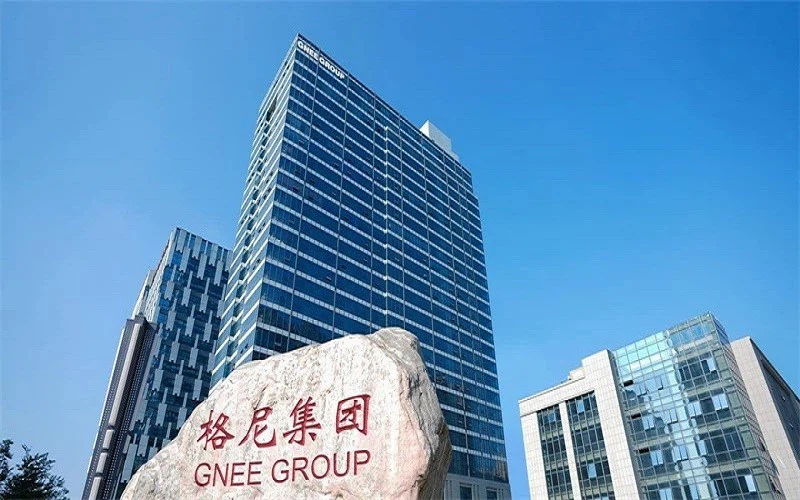
Amidst the vast land of China and the majestic Taihang Mountains lies Anyang, Henan Province, located on the eastern foothills of the Taihang mountain range. It is one of the eight ancient capitals of China and home to an outstanding steel supply chain enterprise – GNEE GROUP.

Our Certificate

FAQ
Q: Is electro galvanized the same as galvanized?
Q: Will electro galvanized steel rust?
Q: What is electro galvanised steel?
Q: How long will electro galvanized steel last?
Q: Is electro galvanized better than hot dipped bolts?
Q: How thick is electro galvanized?
The characteristics of an electro-galvanized coating are summarized as follows. Uniform smooth coating with a bright luster. Coating thickness usually between 6 to 10 microns (µm). The coating consists of +99% zinc.
Q: How thick is electro galvanized steel?
Q: Is electro galvanized the same as Stainless steel?
Q: Is zinc and electro galvanized the same?
Q: Can you weld electro galvanized steel?
Q: How to tell the difference between hot-dipped galvanized and galvanized?
Q: What is the difference between electroplating and electro galvanizing?
Hot dip galvanizing involves dipping the object in molten zinc to create a thick coating that provides corrosion resistance, whereas electroplating involves depositing a thin layer of metal onto the object using an electrolytic solution.
Q: How do you electro galvanized steel?
Q: How strong is 17 gauge galvanized steel?
Q: What is the yield strength of electro galvanized steel?
Q: Is electro galvanized steel magnetic?
Q: What does salt water do to galvanized steel?
Q: Which is more rust resistant zinc or galvanized?
Q: How long will electro-galvanized steel last?
Q: How do you etch galvanized metal with vinegar?
We're professional electro galvanized steel manufacturers and suppliers in China, specialized in providing high quality customized service. We warmly welcome you to buy cheap electro galvanized steel for sale here and get free sample from our factory. For price consultation, contact us.
A879 Steel, Electro Galvanized Plates, electro galvanized sheet