

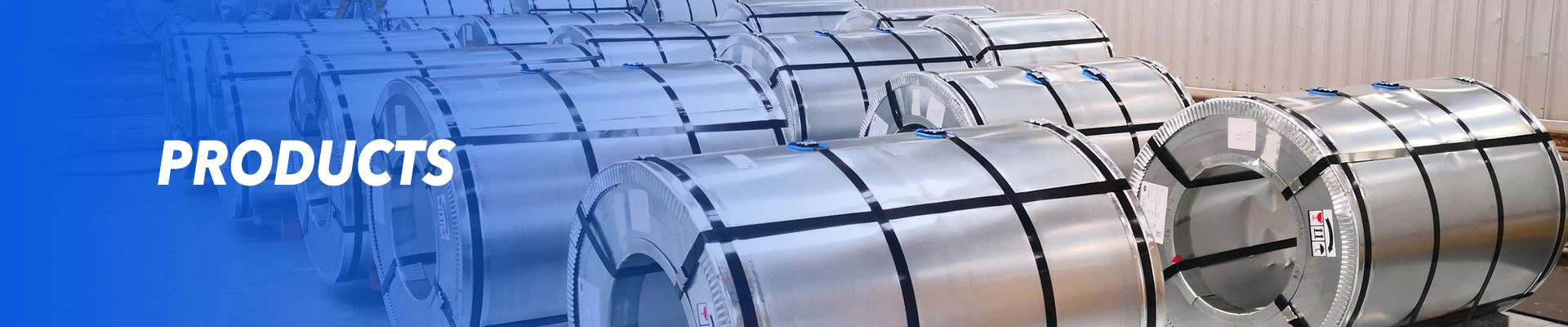
Cold Rolled Steel
Your Professional Cold Rolled Steel Supplier
Gnee Steel (tianjin) Co., Ltd. was established in Anyang, Henan, in 2008. Our main products include galvanized steel plates, cold-rolled steel plates, pre-coated steel plates, steel pipes, PPGI, PPGL, PPAL, color-coated steel plates, pre-processed steel plates, coil steel, galvanized processing parts, and other related products.
Certifications
We have successfully passed ISO, CE, and other system certifications. Additionally, our products have been tested and approved by SGS, TUV, BV, and other leading testing organizations.
Our Strengths
Gnee Steel is equipped with advanced steel processing capabilities, including precision slitting, cutting, and customized fabrication services. We can provide steel products in various sizes, thicknesses, and surface treatments according to different project requirements.
Sales Market
Our steel products are exported to customers across South America, Africa, the Middle East, Southeast Asia, and other international markets.
-
![DC04 Cold Rolled Steel Coil For Deep Drawing]() DC04 Cold Rolled Steel Coil For Deep DrawingDC04 cold rolled steel strip according to EN10130 / EN10139 standard with excellent deep drawing performance. Thickness 0.2mm, tensile strength 270–350 MPa, available in precision slit coils.read more
DC04 Cold Rolled Steel Coil For Deep DrawingDC04 cold rolled steel strip according to EN10130 / EN10139 standard with excellent deep drawing performance. Thickness 0.2mm, tensile strength 270–350 MPa, available in precision slit coils.read more -
![DIN EN 10130 ST14 Cold-Rolled Steel Coils]() DIN EN 10130 ST14 Cold-Rolled Steel CoilsST14 Cold-Rolled Steel Coils are high-performance, deep-drawing grade cold-rolled carbon steel coils, engineered to deliver exceptional formability, consistent mechanical properties, and superior...read more
DIN EN 10130 ST14 Cold-Rolled Steel CoilsST14 Cold-Rolled Steel Coils are high-performance, deep-drawing grade cold-rolled carbon steel coils, engineered to deliver exceptional formability, consistent mechanical properties, and superior...read more -
![ST14 Material Cold-rolled Steel Sheet]() ST14 Material Cold-rolled Steel SheetST14 cold-rolled steel sheet is a deep-drawing grade cold-rolled low-carbon steel sheet, widely used in industrial fields with high requirements for forming performance, such as automobiles and...read more
ST14 Material Cold-rolled Steel SheetST14 cold-rolled steel sheet is a deep-drawing grade cold-rolled low-carbon steel sheet, widely used in industrial fields with high requirements for forming performance, such as automobiles and...read more -
![JISG 3141 SPCC-SD Cold Rolled Steel Sheets And Strips]() JISG 3141 SPCC-SD Cold Rolled Steel Sheets And StripsSPCC steel is a commercial quality cold rolled steel. SPCC is a material grade and designation defined in JIS G 3141 standard. As a basic Carbon Steel it can be enumerated in dead mild steel. What...read more
JISG 3141 SPCC-SD Cold Rolled Steel Sheets And StripsSPCC steel is a commercial quality cold rolled steel. SPCC is a material grade and designation defined in JIS G 3141 standard. As a basic Carbon Steel it can be enumerated in dead mild steel. What...read more -
![Cold Rolled Coils]() Cold Rolled CoilsModel NO.Carbon steel coilread more
Cold Rolled CoilsModel NO.Carbon steel coilread more
Stock:Stock
Steel Standard:ASTM DIN JIS etc.
Grade:SPCC;DC01;DC03;DC04;St12 etc.
Application:Architecture, Decoration -
![SPCC Cold Rolled Steel Coil For Home Appliance Shell Manufacturing]() SPCC Cold Rolled Steel Coil For Home Appliance Shell Manu...SPCC cold rolled steel coil is a premium low-carbon cold-rolled product that has become the backbone of home appliance shell production worldwide. As one of the most trusted Cold rolled steel coil...read more
SPCC Cold Rolled Steel Coil For Home Appliance Shell Manu...SPCC cold rolled steel coil is a premium low-carbon cold-rolled product that has become the backbone of home appliance shell production worldwide. As one of the most trusted Cold rolled steel coil...read more -
![SPCC/SGACC/SGAHC Cold Rolled For Automotive Brackets]() SPCC/SGACC/SGAHC Cold Rolled For Automotive BracketsProducts Description SPCC, SGACC, and SGAHC are premium cold rolled steel (CRC) grades designed for the unique demands of automotive bracket production-combining excellent formability, durability,...read more
SPCC/SGACC/SGAHC Cold Rolled For Automotive BracketsProducts Description SPCC, SGACC, and SGAHC are premium cold rolled steel (CRC) grades designed for the unique demands of automotive bracket production-combining excellent formability, durability,...read more -
![DC01 CRC Cold Rolled Steel Sheet]() DC01 CRC Cold Rolled Steel SheetDC01 cold rolled steel DC01 cold rolled steel is a mild steel grade known for its excellent forming ability, uniform mechanical performance, and superior surface quality. These characteristics are...read more
DC01 CRC Cold Rolled Steel SheetDC01 cold rolled steel DC01 cold rolled steel is a mild steel grade known for its excellent forming ability, uniform mechanical performance, and superior surface quality. These characteristics are...read more -
![DIN EN 10130 DC01 Cold Rolled Steel Coil]() DIN EN 10130 DC01 Cold Rolled Steel CoilDC01 Cold Rolled Steel Coil DC01 cold rolled steel is one of the most widely used mild steel grades under the EN 10130 standard. Known for its excellent surface quality, consistent mechanical...read more
DIN EN 10130 DC01 Cold Rolled Steel CoilDC01 Cold Rolled Steel Coil DC01 cold rolled steel is one of the most widely used mild steel grades under the EN 10130 standard. Known for its excellent surface quality, consistent mechanical...read more -
![Cold Rolled Steel DC01]() Cold Rolled Steel DC01DC01 steel DC steel plates have high tensile strength and elongation, giving them good processing properties during the manufacturing process and is easy to bend, stamp, form and weld. This makes...read more
Cold Rolled Steel DC01DC01 steel DC steel plates have high tensile strength and elongation, giving them good processing properties during the manufacturing process and is easy to bend, stamp, form and weld. This makes...read more -
![EN 10130 DC01 Steel 1.0330 Cold Rolled Steel Flat Sheet]() EN 10130 DC01 Steel 1.0330 Cold Rolled Steel Flat SheetDC01 steel DC01 steel (1.0330 material) is a European standard cold-rolled quality low-carbon steel flat product for cold forming. In BS and DIN EN 10130 standard, it contains 5 other steel...read more
EN 10130 DC01 Steel 1.0330 Cold Rolled Steel Flat SheetDC01 steel DC01 steel (1.0330 material) is a European standard cold-rolled quality low-carbon steel flat product for cold forming. In BS and DIN EN 10130 standard, it contains 5 other steel...read more -
![DC01 St12 Cold Rolled Steel]() DC01 St12 Cold Rolled SteelDC01 steel The prevalence and popularity of DC01 steel grades all about the everyday applications of cold rolled steel, as characterized by an exceptional appearance, working properties and...read more
DC01 St12 Cold Rolled SteelDC01 steel The prevalence and popularity of DC01 steel grades all about the everyday applications of cold rolled steel, as characterized by an exceptional appearance, working properties and...read more


What is Cold Rolled Steel?
Cold rolled steel is a type of carbon steel or stainless steel that undergoes processing to improve its physical characteristics, such as strength and finish. The term "cold" refers to the fact that the material is worked below its recrystallization temperature; typically, this means at room temperature or slightly warmer.
The manufacturing process begins with hot rolled steel, which is first cooled to room temperature. The hot rolled coil is then passed through a series of rollers at progressively smaller sizes to reduce the thickness and increase the strength of the steel. This cold working process imposes strain hardening on the steel, which increases its yield strength and hardness compared to its hot rolled counterpart.
Benefits of Cold Rolled Steel
Improved strength
The cold working process during which the steel is rolled at room temperature increases its yield strength and hardness, making it more resistant to deformation under load.
01
Enhanced durability
Cold rolled steel is less prone to wear and tear, making it suitable for applications that require long-term performance and resistance to abrasion.
02
Precise tolerances
Cold rolling allows for tighter control over the dimensions of the steel, resulting in products with more precise and uniform thickness, width, and length tolerances.
03
Better surface finish
The smooth and uniform finish of cold rolled steel makes it aesthetically pleasing and ideal for applications where appearance is important, such as in the automotive industry.
04
Increased formability
Despite its increased strength, cold rolled steel maintains good formability, allowing it to be easily bent or shaped into complex geometries without cracking.
05
Reduced maintenance
Due to its enhanced durability and surface finish, cold rolled steel often requires less maintenance and upkeep compared to other materials.
06
Versatility
Cold rolled steel can be used in a wide variety of applications, including automotive parts, electrical components, furniture, appliances, and construction materials.
07
Cost-effectiveness
While the initial costs of cold rolled steel may be higher than hot rolled steel due to the additional processing, its improved properties can lead to savings in maintenance, longevity, and reduced need for replacement.
08
Recyclability
Like other forms of steel, cold rolled steel is fully recyclable without loss of quality, contributing to a more sustainable and environmentally friendly material choice.
09
Heat treatment options
Cold rolled steel can undergo additional heat treatment processes, such as annealing or tempering, to further tailor its mechanical properties to specific requirements.
10
Types of Cold Rolled Steel
Plain carbon steel
Plain carbon steel is the most common type of cold rolled steel, made up of iron and carbon. It has good ductility and formability, making it suitable for applications such as sheet metal fabrication and forming.
Alloy steel
Alloy steel is a type of cold rolled steel that contains additional alloy elements such as nickel, chromium, and manganese. These elements enhance the steel's mechanical properties, making it stronger and more durable. Alloy steel is often used in applications such as automotive construction and heavy equipment manufacturing.
Stainless steel
Stainless steel is a type of cold rolled steel that contains high levels of chromium and nickel. This protects the steel from corrosion and makes it suitable for applications such as food processing and medical equipment manufacturing.
Galvanized steel
Galvanized steel is a type of cold rolled steel that has been coated with zinc. This protects the steel from rust and corrosion, making it suitable for outdoor applications such as fencing and building materials.
Aluminum steel
Aluminum steel is a type of cold rolled steel that contains aluminum. This makes the steel lighter in weight and stronger than traditional cold rolled steel, making it suitable for applications such as aircraft construction and cookingware manufacturing.
Tool steel
Tool steel is a type of cold rolled steel that is designed specifically for tool and die manufacturing. It has high hardness and wear resistance, making it suitable for applications such as machining and cutting tools.
Automotive manufacturing
Cold rolled steel is widely used in the automotive industry to produce body panels, chassis components, and structural parts. Its high strength, excellent formability, and superior surface finish make it ideal for creating lightweight yet durable automotive parts.
Construction and infrastructure
Cold rolled steel’s strength, straightness, and dimensional accuracy make it an ideal choice for construction projects, including commercial and residential buildings, bridges, and infrastructure. It is also commonly used for roofing, siding, framing, and structural supports.
Appliances and household goods
Cold rolled steel is preferred for appliances such as refrigerators, dishwashers, washing machines, and ovens. It is used in the manufacturing of panels, cabinets, and various internal components due to its corrosion resistance, strength, and aesthetic appeal.
Furniture and shelving
Cold rolled steel is used in the production of furniture and shelving units. Its versatility allows for the creation of stylish and functional designs. Cold rolled steel furniture is known for its durability, stability, and modern aesthetics.
Industrial equipment and machinery
Cold rolled steel is found in industrial equipment and machinery, including manufacturing machinery, storage racks, and material handling systems. Its high strength, dimensional accuracy, and ease of fabrication make it suitable for these demanding applications.
Packaging and containers
Cold rolled steel is used in the manufacturing of packaging materials, drums, cans, and containers. Its ability to withstand impact and provide protection makes it a reliable choice for packaging various goods.
Energy sector
Cold rolled steel is utilized in the energy industry for the production of power transmission towers, pipelines, and wind turbine components. Its strength, ductility, and corrosion resistance are crucial for withstanding harsh environmental conditions.
Material of Cold Rolled Steel
Cold rolled steel is typically manufactured from low carbon steel or, less commonly, from other types of steel with modified alloying elements to achieve specific properties. The base material for cold rolling is usually hot rolled steel that has been previously produced through the hot rolling process. Hot rolling involves shaping heated steel billets at temperatures above the material's recrystallization temperature, which makes the steel more malleable and easier to shape.
After hot rolling, the steel goes through a pickling process to remove scale and impurities from the surface. The cleaned coil is then cold rolled at room temperature through series of rollers, reducing the thickness and increasing the strength through work hardening. The amount of cold working can vary, with some products undergoing multiple passes through the rolling mill to achieve the desired mechanical properties.
The composition of the steel can be tailored to suit the requirements of different applications. For instance, commercial quality (CQ) steel contains a lower percentage of carbon, typically less than 0.10%, which gives it adequate formability but lower strength compared to other grades. Drawing quality (DQ) steel has a higher carbon content, around 0.10% to 0.30%, to improve its hardness and strength for drawing operations. Structural quality (SQ) steel may contain slightly higher levels of carbon and other alloying elements like manganese to enhance its strength for structural applications.
Process of Cold Rolled Steel
The production of cold rolled steel involves several key processes:
Hot rolling: The process begins with hot rolling, where large steel billets are heated to high temperatures and passed through a series of rollers to reduce their thickness and produce hot rolled coils.
Pickling: After hot rolling, the surface of the steel is covered with scale (iron oxide) and impurities. The coils are submerged in acid, usually hydrochloric or sulfuric acid, during the pickling process to remove this layer and clean the surface.
Cold rolling: The pickled coils are then fed into a cold rolling mill, where the steel is reduced to the desired thickness at room temperature. This process significantly improves the surface finish and precision of the steel while also increasing its strength through work hardening. Multiple passes through the mill can achieve the precise dimensions required for specific applications.
Tempering: Cold rolled steel becomes work hardened during the rolling process, making it more brittle. To relieve this stress and improve ductility, the material may undergo a tempering process, which involves heating the steel to a specific temperature and then cooling it slowly.
Coiling: Once the steel reaches the desired thickness and tempering is complete, it is coiled for further processing or storage.
Surface treatment: Depending on the end use, the steel may undergo various surface treatments. Galvanizing coats the steel with a protective layer of zinc to prevent corrosion. Galvannealing combines galvanizing with an annealing process to create a coating that is more paintable. Other treatments include painting, coating with plastic or rubber, or applying a matte or bright finish through controlled rolling and annealing techniques.
Cutting and forming: The final step can involve cutting the steel to specific sizes and shapes required for manufacturing components, such as automotive parts, electrical equipment, or construction materials.
How to Maintain Cold Rolled Steel
Maintaining cold rolled steel involves several practices to ensure its longevity, performance, and appearance:
Cleaning
Regularly clean cold rolled steel surfaces to remove dirt, grease, and other contaminants that can lead to rust or corrosion. Use mild detergents and water or appropriate solvents, depending on the type of contamination.
Protective coatings
Apply protective coatings such as paints, primers, or powder coatings to shield the steel from environmental factors. Ensure proper surface preparation before application, following the manufacturer's recommendations for optimal adhesion.
Lubrication
If the steel is subject to mechanical stress or movement, apply appropriate lubricants to prevent wear and tear. This is particularly important in bearings, pivots, and moving parts.
Storage
When not in use, store cold rolled steel in a dry environment away from direct sunlight and moisture. Covering the steel with a protective tarp or placing it in a controlled storage area can prevent corrosion.
Preventive measures against corrosion
Implement measures to control humidity in areas where steel is used or stored, as high humidity can accelerate corrosion. Use corrosion inhibitors if the steel will be exposed to corrosive environments for extended periods.
Regular inspection
Conduct regular inspections for signs of damage, corrosion, or wear. Early detection allows for timely repairs or maintenance, preventing further deterioration.
Stress relief
If the steel has undergone significant forming or machining, consider heat treating it to relieve internal stresses that could lead to cracking or warping over time.
Proper handling
When handling cold rolled steel, avoid sharp objects that could scratch the surface or cause dents. Use appropriate tools and equipment to minimize damage during transportation and installation.

The main difference between hot rolled steel and cold rolled steel is the temperature at which they are processed. Hot rolled steel is rolled above the material’s recrystallization temperature, whereas cold rolled steel is rolled below the material’s recrystallization temperature. Beyond this quality, there are a few other distinctions between the two materials, including in regard to the following:
1. Surface quality. Hot rolled steel tends to have rough edges and surfaces that require decarburization or other treatments to prepare it for use in subsequent production operations. In contrast, cold rolled steel generally has a shiny and smooth surface that allows it to be used as-is in production operations.
2. Material hardness. The cold rolling process produces steel with much higher strength and hardness than the steel produced by the hot rolling process.
3. Internal stress. The greater material strength and hardness introduced by the cold rolling process comes with greater internal stresses. These stresses must be relieved before the material can be processed; otherwise, the final part or product may experience warping.
These two steel types should not be confused with the technical specifications or grades used to classify steel by composition or physical characteristics. Steel can be hot rolled or cold rolled regardless of its metallurgical specifications or grade.
How Do You Keep Cold Rolled Steel from Rusting?
To prevent cold rolled steel from rusting, implement the following protective measures:
Surface preparation: Before applying any protective coating, ensure that the steel surface is clean and free of oil, grease, and other contaminants that can interfere with coating adhesion.
Coatings: Apply a durable coating that protects against moisture and oxygen exposure. Options include paints, powder coatings, plating, and galvanization. Each method offers varying levels of protection and aesthetic finishes.
Galvanization: Coating steel with a layer of zinc is an effective way to prevent rust. The zinc serves as a sacrificial anode, corroding in place of the steel when exposed to moisture.
Environmental control: In indoor or enclosed environments, maintain low humidity to reduce the risk of corrosion. For outdoor applications, consider using shelters or canopies to protect steel from rain and snow.
Regular maintenance: Inspect steel structures regularly for signs of rust and take prompt action to repair any damage. This includes touching up paint, replacing corroded sections, or applying additional rust inhibitors.
Rust inhibitors: Apply chemical rust inhibitors, either in liquid form as a spray or in solid form as a paint additive, to protect steel in environments where corrosion is likely, such as marine settings or industrial areas with high humidity.
Material selection: When possible, choose stainless steel alloys or other corrosion-resistant materials for applications where exposure to moisture or corrosive substances is frequent.
Design considerations: Design steel structures to shed water quickly and minimize areas where water can pool. This includes proper drainage and avoiding complex geometries that trap water.
Storage: When steel is not in use, store it in a dry, covered area to prevent exposure to moisture.
Ventilation: Ensure good ventilation around steel structures to prevent condensation buildup, which can lead to rust.
Distinguishing hot rolled steel from cold rolled steel can be done by observing several characteristics:
Surface finish
Cold rolled steel has a smoother and cleaner finish compared to hot rolled steel. The cold rolling process tightens the scale on hot rolled steel, leaving a finer, shinier surface. Hot rolled steel, on the other hand, has a scale that appears rougher and duller because it is the result of the oxidation that occurs during the hot rolling process.
Grain structure
Due to the different working temperatures, the grain structure of hot rolled steel is more open and coarse, which provides greater ductility. Cold rolled steel, worked at lower temperatures, has a tighter grain structure, making it stronger but less ductile.
Dimensions
Cold rolled steel is typically produced with tighter tolerances in terms of thickness and width compared to hot rolled steel. The cold rolling process allows for greater precision in size.
Mechanical properties
Cold rolled steel is harder and stronger than hot rolled steel due to the work hardening effect that occurs when the material is deformed under tension below its recrystallization temperature. Hot rolled steel, however, is more ductile, allowing it to bend and stretch more easily.

Weight
Because cold rolled steel undergoes additional working and is often thinner, it can be lighter than hot rolled steel of the same volume.
Corrosion resistance
Cold rolled steel may have a slight edge in corrosion resistance due to its smoother surface, but this is generally not a significant factor unless a protective coating is applied.
Magnetic properties
Both hot rolled and cold rolled steel are magnetic; thus, this characteristic cannot be used to differentiate between them.
Cost
Hot rolled steel is generally less expensive than cold rolled steel because the latter requires additional processing steps and results in a more refined product.
How Do You Soften Cold Rolled Steel?
Softening cold rolled steel can be achieved through a few methods, here are some common ones:
Heating
Heating the cold rolled steel to a specific temperature can help to soften it. This can be done using an oven, furnace, or other heating equipment. The temperature and duration of heating will depend on the type of steel and the desired level of softening.
Annealing
Annealing is a heat treatment process that involves heating the steel to a specific temperature, followed by a slow cooling process. This helps to reduce the hardness and increase the ductility of the steel.
Mechanical working
Mechanical processes such as rolling, forging, or drawing can also be used to soften the cold rolled steel. These processes deform the steel, which affects its crystal structure and makes it softer.
Solution treatment
In some cases, solution treatment may be used to soften cold rolled steel. This involves heating the steel to a high temperature and then rapid cooling.
Our Factory
Amidst the vast land of China and the majestic Taihang Mountains lies Anyang, Henan Province, located on the eastern foothills of the Taihang mountain range. It is one of the eight ancient capitals of China and home to an outstanding steel supply chain enterprise – GNEE GROUP.


Our Certificate

FAQ
Q: What is cold-rolled steel used?
Q: Why is cold-rolled steel more expensive?
Q: Is cold-rolled steel good for bending?
Hot rolled steel sheets are more ductile and have better formability than cold rolled sheets. This makes them a preferred choice for applications that involve shaping, bending, or deep drawing.
Q: Is cold rolled steel harder to weld?
Q: How durable is cold rolled steel?
Q: How can you tell the difference between hot rolled and cold rolled steel?
Q: What color is cold rolled steel?
Q: Does cold rolled steel warp?
Q: Can cold rolled steel be drilled?
Q: How straight is cold rolled steel?
Q: Which is stronger cold rolled steel or stainless steel?
Q: What is the most common cold-rolled steel?
One of the most favored cold-rolled steel grades is ASTM A1008 Carbon Steel which is widely used in industrial as well as domestic applications. It is a low-carbon and high-strength steel-alloy sheet metal with excellent formability. It also has superior surface texture and flatness.
Q: Can cold rolled steel be galvanized?
Q: What temp does cold rolled steel melt?
Q: What kills rust on steel?
Q: Is 1018 hot rolled or cold rolled steel?
It is especially suited to cold forming and bending operations. 1018 steel is suitable for parts which require cold forming (such as crimping, swaging, or bending). For severe bends, however, stress relieving may be necessary to prevent cracking.
Q: What is the difference between cold rolled and annealed steel?
Q: What is another name for cold-rolled steel?
Q: What is the difference between steel and cold-rolled steel?
Q: Who uses cold rolled steel?
We're professional cold rolled steel manufacturers and suppliers in China, specialized in providing high quality customized service. We warmly welcome you to buy cheap cold rolled steel for sale here and get free sample from our factory. For price consultation, contact us.