

Transformer
-
![Compact Substation Transformer]() Compact Substation TransformerElectrical unit substation transformer systems including compact substation transformers and 11kv compact substations play a crucial role in the distribution of electricity. But this is not the...read more
Compact Substation TransformerElectrical unit substation transformer systems including compact substation transformers and 11kv compact substations play a crucial role in the distribution of electricity. But this is not the...read more -
![Substation Transformers]() Substation TransformersSubstation transformers are designed for installation in large or small three-phase transmission and distribution power systems. The installation location is common and must be on the indoor or...read more
Substation TransformersSubstation transformers are designed for installation in large or small three-phase transmission and distribution power systems. The installation location is common and must be on the indoor or...read more -
![Oil Immersed Single Phase Pole Mounted Transformer]() Oil Immersed Single Phase Pole Mounted TransformerPole-mounted transformers are electric utility distribution transformers fixed on a wooden or concrete electrical service pole at the level of the overhead wires. They are the standard breadbox...read more
Oil Immersed Single Phase Pole Mounted TransformerPole-mounted transformers are electric utility distribution transformers fixed on a wooden or concrete electrical service pole at the level of the overhead wires. They are the standard breadbox...read more -
![Pole Mounted Power Distribution Transformer]() Pole Mounted Power Distribution TransformerPole mounted transformers are electric utility distribution transformers that are mounted on an electrical service pole (wood or concrete) and are usually at the level of the overhead cables.read more
Pole Mounted Power Distribution TransformerPole mounted transformers are electric utility distribution transformers that are mounted on an electrical service pole (wood or concrete) and are usually at the level of the overhead cables.read more -
![Oil-Filled Transformer]() Oil-Filled TransformerOil filled transformer is a type of electrical transformer that uses a liquid, such as oil, as a cooling and insulating medium. Therefore, it is also called a liquid transformer. The use of liquid...read more
Oil-Filled TransformerOil filled transformer is a type of electrical transformer that uses a liquid, such as oil, as a cooling and insulating medium. Therefore, it is also called a liquid transformer. The use of liquid...read more -
![Oil Immersed Transformer]() Oil Immersed TransformerOil-filled or oil-immersed transformers are voltage conversion devices that use oil to keep the transformer cool. This type of transformer structure is mounted in a welded steel oil tank filled...read more
Oil Immersed TransformerOil-filled or oil-immersed transformers are voltage conversion devices that use oil to keep the transformer cool. This type of transformer structure is mounted in a welded steel oil tank filled...read more -
![Three Phase Pad Mounted Transformers]() Three Phase Pad Mounted TransformersThe 3 phase pad-mounted transformer is a transformer designed with a fully enclosed structure. The layout of the heat sink that can directly dissipate heat to the outside makes Three phase...read more
Three Phase Pad Mounted TransformersThe 3 phase pad-mounted transformer is a transformer designed with a fully enclosed structure. The layout of the heat sink that can directly dissipate heat to the outside makes Three phase...read more -
![Single Phase Pad Mounted Transformer]() Single Phase Pad Mounted TransformerPad-mounted transformers are made in power ratings from around 15 to around 5000 kVA and often include built-in fuses and switches. Primary power cables may be connected with elbow connectors,...read more
Single Phase Pad Mounted TransformerPad-mounted transformers are made in power ratings from around 15 to around 5000 kVA and often include built-in fuses and switches. Primary power cables may be connected with elbow connectors,...read more -
![Power Distribution Transformer]() Power Distribution TransformerA distribution transformer or service transformer is a transformer that provides the final voltage transformation in the electric power distribution system, stepping down the voltage used in the...read more
Power Distribution TransformerA distribution transformer or service transformer is a transformer that provides the final voltage transformation in the electric power distribution system, stepping down the voltage used in the...read more -
![Oil Immersed Power Transformers]() Oil Immersed Power TransformersA power transformer is a mere classification of transformers with a voltage range varying between 33 kV-400 kV and a rating above 200 MVA. The voltage ratings of power transformers available in...read more
Oil Immersed Power TransformersA power transformer is a mere classification of transformers with a voltage range varying between 33 kV-400 kV and a rating above 200 MVA. The voltage ratings of power transformers available in...read more -
![Dry Type Cast Resin Transformer]() Dry Type Cast Resin TransformerDry type transformers are widely used in various industries and applications because of their safety, reliability, and environmental benefits.read more
Dry Type Cast Resin TransformerDry type transformers are widely used in various industries and applications because of their safety, reliability, and environmental benefits.read more -
![Low Voltage Dry Type Transformers]() Low Voltage Dry Type TransformersDry-type transformers are widely used in various industries and applications that require high safety, reliability, and environmental compatibility.read more
Low Voltage Dry Type TransformersDry-type transformers are widely used in various industries and applications that require high safety, reliability, and environmental compatibility.read more


What is Transformer?
A transformer is a passive component that transfers electrical energy from one electrical circuit to another circuit, or multiple circuits. A varying current in any coil of the transformer produces a varying magnetic flux in the transformer's core, which induces a varying electromotive force (EMF) across any other coils wound around the same core. Electrical energy can be transferred between separate coils without a metallic (conductive) connection between the two circuits. Faraday's law of induction, discovered in 1831, describes the induced voltage effect in any coil due to a changing magnetic flux encircled by the coil.
Transformers are used to change AC voltage levels, such transformers being termed step-up or step-down type to increase or decrease voltage level, respectively. Transformers can also be used to provide galvanic isolation between circuits as well as to couple stages of signal-processing circuits. Since the invention of the first constant-potential transformer in 1885, transformers have become essential for the transmission, distribution, and utilization of alternating current electric power. A wide range of transformer designs is encountered in electronic and electric power applications. Transformers range in size from RF transformers less than a cubic centimeter in volume, to units weighing hundreds of tons used to interconnect the power grid.

Benefits of Transformer
1. Voltage conversion: Transformers enable voltage to be adjusted to appropriate levels for different uses. High voltages are used for efficient long-distance transmission while lower voltages are used safely in homes and businesses.
2. Energy efficiency: By transmitting electricity at higher voltages and lower currents, transformers reduce resistive losses in the power lines, leading to more efficient energy distribution.
3. Safety: Step-down transformers provide electrical appliances with the lower voltage they require, preventing the risk of electric shock from high voltage exposure.
4. Compatibility: Transformers ensure compatibility between different parts of the electrical grid, regardless of their voltage requirements.
5. Power quality: By conditioning the voltage supplied to electrical devices, transformers can improve power quality, reducing issues such as voltage spikes and sags.
6. Isolation: Transformers provide electrical isolation between the source and the load, which can protect equipment and personnel from electrical faults and transients.
7. Flexibility: Their ability to step up or down voltages makes transformers highly flexible, catering to a wide range of applications and power demands.
8. Reduced corrosion: By stepping down high voltages, transformers reduce the flow of current in metallic structures, thus decreasing the rate of corrosion.
9. Regulating current: In addition to stepping up or down voltage, transformers can also be used to regulate current in certain applications.
10. Compatibility with renewable energy: Transformers facilitate the integration of renewable energy sources into the grid by adjusting the voltage to match grid standards.
11. Scalability: They can be designed in various sizes to accommodate small electronic devices as well as large power plants and substations.

Core type transformer: This type features a magnetic core made of stacked sheets (laminations) of silicon steel. The windings are wound around the core. Core type transformers are compact and efficient but may suffer from core saturation at high loads.
Shell type transformer: Unlike core type, the magnetic path in shell type transformers forms a closed magnetic circuit around the windings. These are less prone to core saturation and vibration but are generally larger and more expensive.
Autotransformer: An autotransformer has only one winding that serves both as primary and secondary. It offers a simpler design and potentially higher efficiency compared to conventional two-winding transformers but lacks isolation between input and output.
Step-up transformer: Used to increase the voltage level from primary to secondary. These are commonly found in power generation stations to step up the voltage for efficient transmission.
Step-down transformer: Decreases the voltage level from primary to secondary. These are widely used in distribution systems to provide lower voltage to residential and commercial buildings.
Distribution transformer: A type of step-down transformer used in power distribution to lower the voltage from transmission levels to the levels used in lighting, heating, and motors.
Power transformer: Large transformers used in power systems above certain voltage levels, typically greater than 660 volts. They are designed to handle high power and are rated based on the power they can transfer.
Instrument transformer: These include current transformers (CTs) and potential transformers (PTs), which are used for measuring electrical power in high voltage circuits. They allow the use of standard instruments designed for lower voltages.
Isolation transformer: Provides electrical isolation between circuits. It has equal number of turns in primary and secondary, hence no voltage transformation but isolation.
Buck-boost transformer: Specifically designed to either increase (boost) or decrease (buck) the voltage depending on the application's requirements.
Dry type transformer: These do not use any liquid for cooling; instead, they rely on air to dissipate heat. They are typically smaller, lighter, and maintenance-free.
Liquid filled transformer: These are filled with insulating liquid, usually mineral oil, which acts as a coolant and fire retardant. They are suitable for high power applications.
Application of Transformer
Power generation and transmission: Transformers are used at power generation stations to step up the voltage for high-efficiency transmission over long distances via power lines. Upon reaching the vicinity of consumers, step-down transformers reduce the voltage to safer levels for distribution to homes and businesses.
Distribution networks: Within local distribution networks, transformers are critical for managing the voltage levels that enter neighborhoods and commercial areas. They ensure that the voltage supplied is appropriate for end-use applications.
Industrial settings: In industries, transformers are utilized to supply power to machinery and equipment, which often requires specific voltage levels. They can also be used for impedance matching to maximize efficiency in electrical devices.
Electrical substations: Both transmission and distribution substations use transformers to change the voltage level of the electrical energy as it enters or leaves the substation.
Renewable energy systems: Transformers are integral to solar power plants and wind farms, where they adjust the voltage from the generators to match grid requirements and facilitate the integration of renewable energy sources.
Electronic devices and power supplies: Smaller versions of transformers, often referred to as isolation transformers or autotransformers, are used in electronics to provide power to devices, to isolate circuits, or to regulate current.
Telecommunications: In the telecom industry, instrument transformers, such as current transformers and potential transformers, are employed to measure current and voltage in high-power circuits for metering and protection purposes.
Utility metering: Potential transformers are used in conjunction with electricity meters to provide a safe, low-voltage representation of the high voltage in a power line for billing purposes.
Backup power systems: Transformers are part of uninterruptible power supply (UPS) systems and emergency generators, ensuring a smooth transition between utility power and backup power sources.
Elevators and cranes: Specialized transformers are used to supply variable power to elevators and cranes, which require precise control of motor speed.
HVAC systems: Transformers can be found in heating, ventilation, and air conditioning (HVAC) systems to provide power to various components, such as fan motors and controls.
Lighting systems: Streetlights, commercial lighting, and outdoor lighting often utilize transformers to reduce voltage to suitable levels for lighting fixtures.

Components of Transformer
A transformer consists of several key components that work together to perform its function of stepping up or down the voltage level. The primary components include:
1. Core: Made of laminated silicon steel (or similar material), the core provides a path for the magnetic flux generated when an alternating current flows through the windings. Lamination reduces energy losses due to eddy currents.
2. Windings (Wires): There are at least two windings in a transformer: the primary winding, which receives power from the source, and the secondary winding, which outputs the transformed voltage. Autotransformers have a single shared winding.
3. Insulation: Insulating materials separate the windings electrically and prevent short circuits. Materials like transformer oil, varnish, and paper are used for this purpose.
4. Tap winding: This feature allows the adjustment of the transformer’s output voltage by tapping into different points on the winding. It is particularly useful in voltage regulation.
5. Breather: In oil-filled transformers, a breather is used to filter moisture and dirt from the air drawn into the conservator tank as the oil heats and contracts during thermal expansion.
6. Conservator tank: This tank houses the transformer's oil and provides space for thermal expansion and contraction, preventing damage to the transformer during temperature changes.
7. Bushings: Bushings are insulators that allow the wires from the outside to enter the transformer housing safely without causing electrical shorts.
8. Oil: Transformer oil, typically a mineral oil, serves as an excellent coolant and insulating medium. In case of internal fault, the oil also helps extinguish the resulting fire.
9. Cooling system: Depending on the size and rating of the transformer, it might have fans, heaters, radiators, or a combination of these to dissipate the heat generated during operation.
10. Overload relay: This protective device senses excessive current and can disconnect the transformer from the power source to prevent damage due to overheating.
11. Mechanical structure: The body of the transformer, often made of metal, houses all the internal components and provides structural support.

Material of Transformer
Transformers are constructed using various materials, each selected for its specific properties that contribute to the overall performance and reliability of the transformer. The primary materials used in transformer construction include:
Steel laminations for the core: The core is typically made from silicon steel laminations to reduce eddy current losses. These laminations are stacked to form a closed magnetic circuit and are insulated from each other to minimize stray losses.
Copper or aluminum for windings: Copper is commonly used for windings due to its excellent conductivity and mechanical strength. However, aluminum is also used, especially in larger power transformers, because it is lightweight and cost-effective, although it has lower conductivity than copper.
Insulation materials: Insulation materials such as cellulose paper, pressboard, and various types of synthetic materials provide electrical insulation between the windings and the core. Varnishes and impregnating oils are used to bond and saturate the paper to improve mechanical strength and resist moisture ingress.
Oil: Mineral oil is widely used as an insulating fluid and cooling medium within the transformer's tank. It must have good dielectric properties, thermal stability, and low volatility.
Filling elements and gaskets: Fiberglass, elastomers, or other materials are used for gaskets and filling elements to ensure a tight seal and prevent oil leakage.
Breathers and drain traps: These are often filled with silica gel to absorb moisture from the air that enters the conservator tank due to thermal expansion and contraction of the oil.
Radiators or heat sinks: These components dissipate heat from the transformer's windings and oil.
Fans and cooling fans: These are used in forced-air cooling systems to improve heat dissipation.
Mechanical components: The transformer's housing, support structures, and mounting hardware are typically made from metals like steel or aluminum.
Thermal and overcurrent protectors: These are made from various materials and are designed to sense overheating conditions and de-energize the transformer to prevent damage.

Process of Transformer
The process of manufacturing a transformer involves several key steps that ensure the final product meets the required specifications for efficiency, safety, and reliability. Below is an outline of the typical manufacturing process for a transformer:
1. Design and engineering: Engineers design the transformer based on the desired specifications, such as input voltage, output voltage, power rating, and application. Computer-aided design (CAD) software is commonly used for precision in designing the core shape, winding layout, and other dimensions.
2. Component fabrication:
● Core assembly: Silicon steel sheets are cut and stacked to form the core. The edges are slotted and insulated from each other with paper or another insulating material to reduce eddy current losses.
● Winding: Copper or aluminum wire is wound onto a former (a spool or frame) to create the primary and secondary windings. Autotransformers may have a single winding with taps.
3. Insulation application: Insulation materials such as varnish-impregnated paper are applied to the windings to provide electrical isolation and protection against environmental factors.
4. Assembly: The windings are inserted into the core assembly, and the entire assembly is placed inside a steel or epoxy frame. Bushings are installed to allow for high-voltage connections while maintaining insulation.
5. Impregnation: The transformer is submerged in transformer oil, which acts as an insulator and cooling agent. Under vacuum or pressure, the oil penetrates all the voids, saturating the insulation materials to remove any air pockets that could lead to future faults.
6. Drying and curing: The impregnated transformer is heated to cure the insulation system. This process removes any remaining solvents from the impregnating material and ensures the insulation is dry and free from voids.
7. Testing: Comprehensive testing is performed to verify the transformer's performance. Tests may include insulation resistance tests, turns ratio tests, polarity checks, and high-voltage impulse tests to ensure the transformer operates within specified safety margins.
8. Thermal management: Cooling systems such as radiators or heat exchangers may be installed to manage the heat generated during operation. For liquid-filled transformers, a conservator tank is added to accommodate oil volume changes due to temperature swings.
9. Protection devices installation: Devices such as tap changers, on-load or off-load reactors, and protection relays are installed to regulate the voltage, control the load, and protect the transformer from overcurrent and overheating.
10. Final inspection and quality control: A final inspection is conducted to ensure all components are correctly installed and functioning. Quality control checks confirm that the transformer meets all design criteria and regulatory standards.
11. Packaging and shipping: Once approved, the transformer is packaged for shipment to the customer. Special care is taken to ensure that the transformer is protected during transit to avoid any damage.
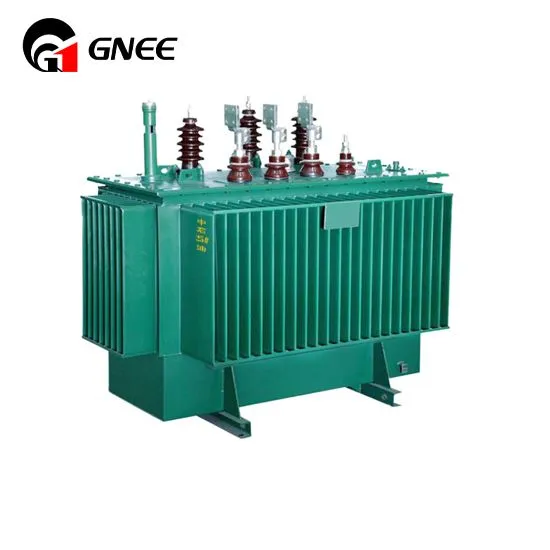
Maintaining a transformer involves regular inspections, tests, and preventive actions to ensure its reliable and efficient operation. Here are key aspects of transformer maintenance:
Visual inspections: Regularly check the transformer's exterior for signs of damage, corrosion, leaks, or unusual heating. Ensure that ventilation grills are clear and that no vegetation is growing near the unit that could cause a fire hazard.
Oil analysis: Perform periodic oil tests to detect any deterioration of the insulation, presence of contaminants, or degradation of the insulating oil. This can help predict potential failures before they occur.
Thermal monitoring: Use thermal imaging cameras to detect hotspots that might indicate internal faults or inadequate cooling. Monitor the temperature rise according to the transformer's rating.
Bushings and tap changers inspection: Check the condition of the bushings for signs of tracking or erosion. Test tap changers for proper operation and lubricate moving parts if necessary.
Mechanical fasteners: Tighten all bolts, clamps, and other fasteners that may loosen due to vibration or thermal expansion.
Load management: Monitor the transformer's load to ensure it does not exceed its rated capacity. Excessive loading can lead to overheating and reduced lifespan.
Cooling systems maintenance: Keep cooling systems, including radiators or heat exchangers, clean and free from debris. Ensure that fans and pumps are functioning properly.
Conservator tank maintenance: Check the level and quality of the conservator tank oil, and replace the gas pressure relief device if necessary.
Metering equipment calibration: Periodically calibrate current transformers and potential transformers to ensure accurate metering and protection coordination.
Protective relay testing: Test protective relays and alarms regularly to ensure they will trip in case of a fault.
Preventive maintenance schedule: Establish a regular maintenance schedule based on manufacturer recommendations, industry standards, and the transformer's operating history.
Environmental considerations: Protect the transformer from environmental extremes such as high humidity, corrosive atmospheres, and severe weather conditions.
Record keeping: Maintain detailed records of all maintenance activities, tests, and any observed anomalies. This historical data can be invaluable for predictive maintenance and troubleshooting.

How Do I Choose the Right Transformer?
Choosing the right transformer involves considering several key factors to ensure that the selected equipment meets your specific requirements:
1. Power rating: Determine the amount of power you need to transfer. The power rating of the transformer should be slightly higher than the maximum power demand of the load it will serve to account for future growth or peak loads.
2. Voltage levels: Specify the primary and secondary voltage levels. The transformer must match the supply voltage and the load voltage requirements.
3. Efficiency: Consider the efficiency of the transformer at full load and partial loads. Higher efficiency can result in significant energy savings, especially for larger transformers or those operating at partial loads frequently.
4. Size and weight: Factor in the physical space available for installation and the structural requirements of the mounting location. Also, consider the weight if it affects the support infrastructure.
5. Insulation class: Choose an insulation class appropriate for the operating temperature and the environment where the transformer will be installed. Higher insulation classes can withstand higher temperatures and provide longer life expectancy.
6. Regulatory compliance: Ensure that the transformer complies with local and national electrical codes and standards, such as IEEE, ANSI, or IEC.
7. Cooling method: Decide on the cooling method, whether natural air, forced air, or liquid (typically oil). The choice depends on the size of the transformer, the expected load, and environmental considerations.
8. Application: Consider the type of load and any special requirements, such as harmonic filtering, power quality issues, or the need for variable voltage control.
9. Environmental conditions: Think about the environmental conditions where the transformer will be located. If the transformer will be exposed to corrosive elements or extreme temperatures, select one with appropriate protections and coatings.
10. Budget: Set a budget that includes not only the purchase cost but also the operational costs, maintenance, and any ancillary equipment needed.
11. Supplier reputation and support: Choose a reputable supplier who offers good after-sales support, including warranty terms, service agreements, and availability of spare parts.
12. Customization: If standard transformers do not meet your needs, look for suppliers that offer customized solutions.


What Is the Most Common Failure of Transformers?
The most common failures of transformers can include the following:
Overheating: Excessive heat can damage the transformer's insulation and components, leading to reduced efficiency or even failure.
Insulation breakdown: Ageing or damage to the insulation can cause electrical shorts or leakage, resulting in transformer failure.
Overload: Operating the transformer beyond its rated capacity can cause excessive stress and potential failure.
Moisture ingress: Moisture can corrode the transformer's components and reduce its insulation properties.
Faulty components: Worn-out or defective components such as coils, bearings, or switches can lead to transformer malfunctions.
Voltage surges: Sudden voltage spikes can damage the transformer's circuitry and insulation.
Mechanical issues: Loose connections, damaged bushings, or worn-out bearings can affect the transformer's performance.
Contamination: Dust, dirt, or other contaminants can clog cooling passages and affect the transformer's heat dissipation.
Lightning strikes: Direct lightning strikes or nearby lightning activity can cause damage to the transformer.
Improper installation or maintenance: Improper handling during installation or lack of regular maintenance can contribute to failures.
It's important to note that specific failure modes may vary depending on the type, age, and operating conditions of the transformer. Regular inspections, maintenance, and proper loading are crucial to minimize the occurrence of failures. Additionally, early detection of any unusual symptoms or signs of trouble can help prevent major failures and ensure the reliability of the transformer. If you suspect a problem with a transformer, it's best to consult a qualified electrical engineer or technician for proper diagnosis and repair.

Our Factory
Amidst the vast land of China and the majestic Taihang Mountains lies Anyang, Henan Province, located on the eastern foothills of the Taihang mountain range. It is one of the eight ancient capitals of China and home to an outstanding steel supply chain enterprise – GNEE GROUP.


Our Certificate

FAQ
Q: What is the function of transformer?
Q: What is transformer mainly used for?
Q: Do transformers convert AC to DC?
Q: Do transformers work on AC or DC?
The transformer only operates on ac supply since an alternating current is needed by a transformer that would produce a shifting magnetic field. In a coil, a changing magnetic field often produces a changing voltage. This is the basis of how a transformer works: an AC supply is hooked to the primary coil.
Q: What is the basic knowledge of transformer?
Q: What is the most commonly used transformer?
This is the most common type of transformer, widely used in electric power transmission and appliances to convert mains voltage to low voltage to power electronic devices. They are available in power ratings ranging from mW to MW.
Q: Is a microwave transformer AC or DC?
Microwave oven transformer. Transformers are used to convert electrical voltage from one level to another, usually from a higher voltage to a lower voltage. This transformer for microwave ovens converts a 240-volt AC (alternating current) power supply into high-voltage DC (direct current) power.
Q: Can you reverse a transformer?
Q: Why DC Cannot be used in transformers?
Q: How does a transformer change voltage?
Q: How does a transformer work?
Q: Does transformer transfer voltage or power?
Q: How does a transformer change amps?
Q: What is the manufacturing process of transformer?
Q: How does electricity flow through a transformer?
Q: How does a transformer induce voltage?
Q: How does a transformer turn down voltage?
Q: How do you preserve a transformer?
Transformers should always be stored with this oil in place to prevent possible contamination and absorption of moisture. Transformers should be stored in a dry location having no rapid or radical temperature changes.
Q: Can you run a transformer without a load?
Q: How do you clean a transformer?
We're professional transformer manufacturers and suppliers in China, specialized in providing high quality customized service. We warmly welcome you to buy cheap transformer for sale here and get free sample from our factory. For price consultation, contact us.