The Importance of Cold Rolled Slitting Coils in Modern Manufacturing
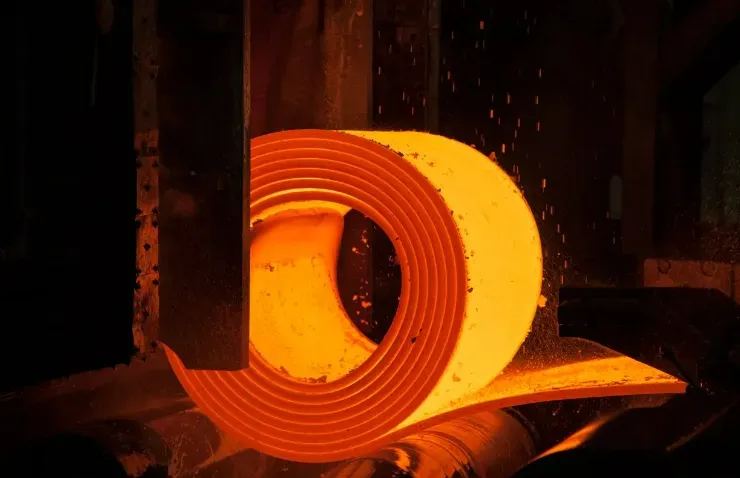
Cold rolled slitting coils are the backbone of countless industrial processes, valued for their smooth surface finish, tight dimensional tolerances, and superior mechanical properties compared to hot-rolled alternatives. Unlike hot-rolled coils, which undergo high-temperature processing and have wider tolerance ranges, cold rolled slitting coils are processed at room temperature, resulting in a more uniform thickness, smoother edges, and enhanced formability-critical for applications requiring precise stamping, bending, or deep drawing. Whether you're producing automotive structural parts, home appliance housings, or construction cladding, the right cold rolled slitting coil ensures consistency in production, reduces scrap rates, and elevates the durability of your end products.
One of the most widely used and reliable options in the market is cold rolled slitting coils compliant with the EN 10346 standard-a European benchmark for cold-formed flat steel products. These coils, including popular grades designed for versatility and performance, are engineered to meet strict quality requirements, making them a top choice for businesses prioritizing reliability and international compatibility. Their low-carbon composition and optimized mechanical properties strike the perfect balance between strength and formability, adapting to diverse industrial needs without compromising on performance.
DX52D Popular Specifications
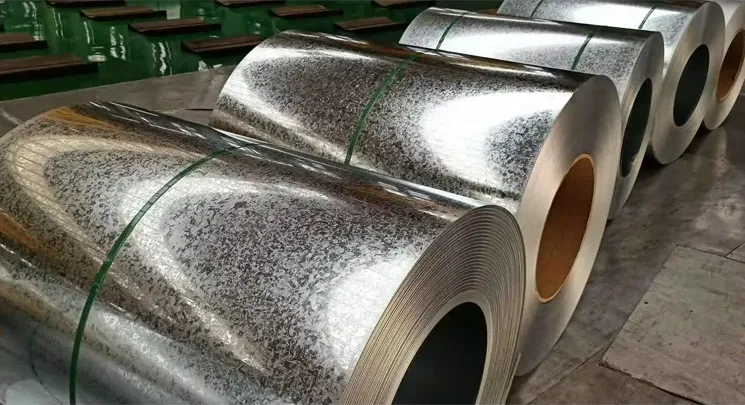
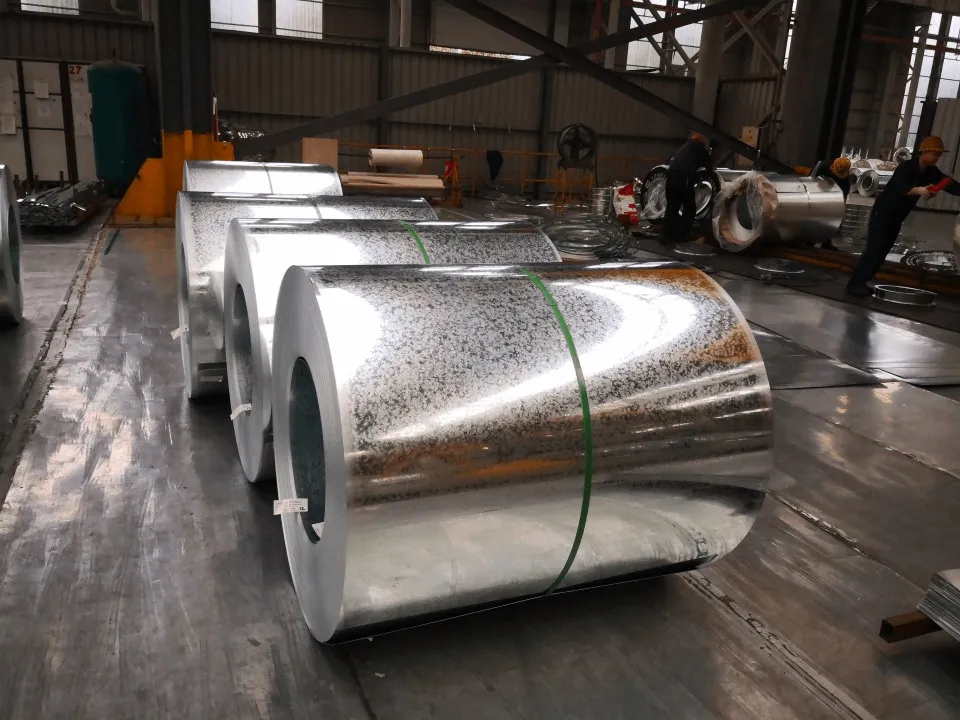
EN 10346 DX52D Cold Rolled Slitting Coil with Mill Test Certificate 3.1
- ITEM : 1 (2mm Thickness)
- Material Grade : Galvanised (BS EN 10346 DX52D)
- Size (Thickness) : 2MM
- Width : 100MM (Each Coil of 200- 250 KGs)
- Quantity: 13000 KGs
Key Factors to Consider When Selecting Cold Rolled Slitting Coils
Choosing the right cold rolled slitting coil goes beyond just selecting a grade; it requires aligning the coil's properties with your specific application, production processes, and long-term goals. Below are the critical factors to evaluate to ensure you invest in a solution that delivers value and avoids costly mistakes:
1. Compliance with International Standards
Standards like EN 10346:2015 are non-negotiable for businesses operating in global markets or requiring consistent quality. Coils compliant with this standard undergo rigorous testing to ensure uniform mechanical properties, dimensional accuracy, and surface quality-eliminating the risk of inconsistent performance or non-compliance with customer or regulatory requirements. For example, EN 10346-compliant cold rolled slitting coils feature controlled chemical compositions (low carbon, manganese, phosphorus, and sulfur) that enhance formability and corrosion resistance, making them suitable for a wide range of applications from automotive to construction.
2. Mechanical Properties: Formability, Strength, and Ductility
The mechanical properties of a cold rolled slitting coil directly determine its suitability for your application. Key metrics to focus on include yield strength, tensile strength, and elongation. For applications requiring complex forming-such as automotive body panels or appliance shells-a coil with high ductility (elongation ≥26%) and moderate strength is ideal, as it can withstand bending, stamping, and deep drawing without cracking or deformation. Leading grades in the EN 10346 family offer a yield strength range of 140–300 MPa and tensile strength of 270–420 MPa, striking a balance that supports both formability and structural integrity-making them versatile enough for both decorative and structural applications.
3. Dimensional Precision and Slitting Quality
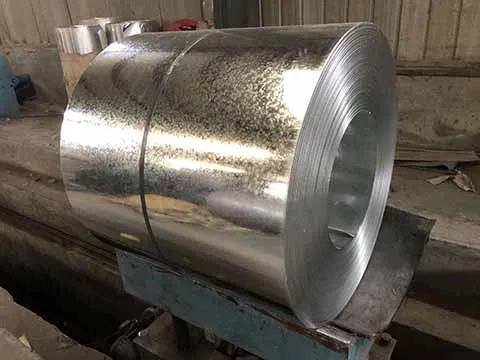
Precision slitting is critical to minimizing material waste and ensuring seamless integration into your production line. Poor slitting quality can result in excessive burrs, inconsistent widths, and camber-all of which disrupt production and increase costs. High-quality cold rolled slitting coils feature precise width tolerances (±0.05 mm), smooth edges, and uniform thickness across the entire coil, reducing the need for post-processing and improving production efficiency. Customizable slitting widths (from 30 mm to 1520 mm) also allow you to tailor the coil to your specific production needs, whether you're manufacturing small components or large structural panels.
4. Surface Treatment and Corrosion Resistance
The environment in which your end product operates will dictate the required surface treatment for your cold rolled slitting coil. Options like chromated, chromium-free, oiled, or non-oiled treatments enhance corrosion resistance, protecting the coil from moisture, dust, and chemical exposure-extending its service life and reducing maintenance costs. For example, coils with aluminum-silicon (AS) coatings offer superior heat resistance and corrosion protection, making them ideal for automotive exhaust systems and high-humidity applications, while zinc coatings provide reliable protection for general manufacturing and construction uses.
Comparing Cold Rolled Slitting Coil Grades
With numerous cold rolled slitting coil grades available, it's important to understand how different options stack up against your application needs. Below is a comparison of common grades, highlighting why versatile EN 10346-compliant grades are a top choice for most industries:
|
Coil Grade Category |
Key Mechanical Properties |
Best Applications |
Core Advantages |
|---|---|---|---|
|
EN 10346 DX52D (and Similar Versatile Grades) |
Yield Strength: 140–300 MPa; Tensile Strength: 270–420 MPa; Elongation: ≥26% |
Automotive structural parts, home appliance housings, construction cladding, HVAC ducts |
Balanced formability and strength; EN 10346 compliance; customizable; excellent corrosion resistance with proper treatment |
|
EN 10346 DX51D |
Yield Strength: 140–320 MPa; Tensile Strength: 260–420 MPa; Elongation: 26–40% |
Simple stamping, decorative panels, basic construction parts |
Higher ductility; cost-effective; suitable for less complex forming |
|
EN 10346 DX53D |
Yield Strength: 140–260 MPa; Tensile Strength: 270–380 MPa; Elongation: ≥30% |
Deep drawing applications, complex automotive parts |
Superior formability; minimal cracking during deep drawing |
|
Hot-Rolled Pickled & Oiled (HRPO) Coils |
Wider tolerance range; lower surface finish |
Heavy-duty structural parts, non-cosmetic applications |
Cost-effective; suitable for high-weight applications |
As the table illustrates, EN 10346 DX52D and similar versatile grades offer the best balance of formability, strength, and versatility-making them suitable for the majority of industrial applications. Their compliance with international standards also ensures compatibility with global production requirements, making them a reliable choice for businesses operating in multiple markets.
Choosing the right cold rolled slitting coil is not just an investment in material-it's an investment in your production efficiency, product quality, and long-term success. With the global demand for high-quality cold rolled steel on the rise, selecting a versatile, EN 10346-compliant coil that aligns with your application needs is more critical than ever. Whether you're in the automotive, home appliance, or construction industry, GNEE STEEL's cold rolled slitting coils deliver the consistency, performance, and customization you need to stay competitive.
Still unsure which cold rolled slitting coil is right for your application? Our team of industry experts is ready to help you evaluate your needs, compare options, and find the perfect solution tailored to your production goals. Send us your inquiry today to get a free consultation, detailed technical guidance, and a customized quote. We respond to all inquiries within 24 hours-let's work together to optimize your production and reduce costs with high-quality cold rolled slitting coils.
Case Studies