


1. Given the wide variety of small hardware accessories, which types are typically preferred for manufacturing using galvanized coils?
Galvanized coils are widely used in small hardware accessories, especially suitable for parts requiring cost control, moderate rust resistance, and good machinability. Typical applications include various fasteners such as screws, nuts, expansion bolts, washers, self-tapping screws, and rivets. Furthermore, it is also a mainstream material for architectural and decorative hardware, such as galvanized iron pipes, cement nails, advertising nails, mirror nails, glass supports, door and window hinges, as well as shelving supports, electrical connectors, internal structural components, outer shells, and end caps of chassis and cabinets.
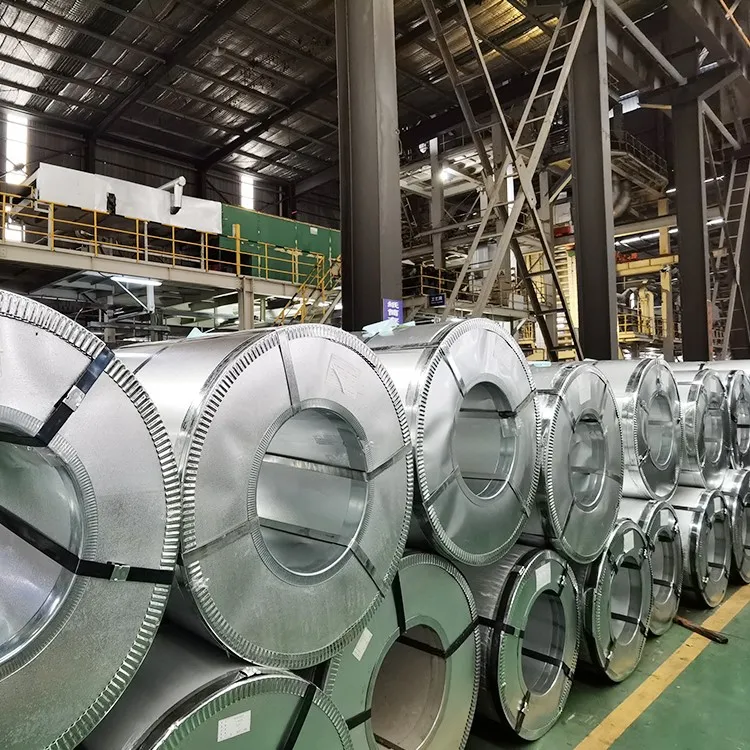
2. What are the main cost-performance advantages of galvanized coil fittings?
The cost-performance advantage of galvanized coil fittings is very prominent, primarily because they "meet moderate rust prevention needs at a relatively low cost."
First, the initial material cost is low. Compared to stainless steel, the raw material cost of galvanized coil is much lower, giving galvanized fittings a significant price advantage in large-scale applications and helping to control the overall project budget.
Second, the corrosion resistance meets general application requirements. The galvanized layer provides protection to the substrate through the principle of "sacrificial anode," providing effective rust prevention protection for years or even decades in indoor, general urban, or dry outdoor environments.
Finally, excellent processing performance reduces manufacturing costs. Galvanized coil retains the easy processing characteristics of low-carbon steel; stamping, bending, and welding processes are relatively mature and simple, further reducing manufacturing costs.
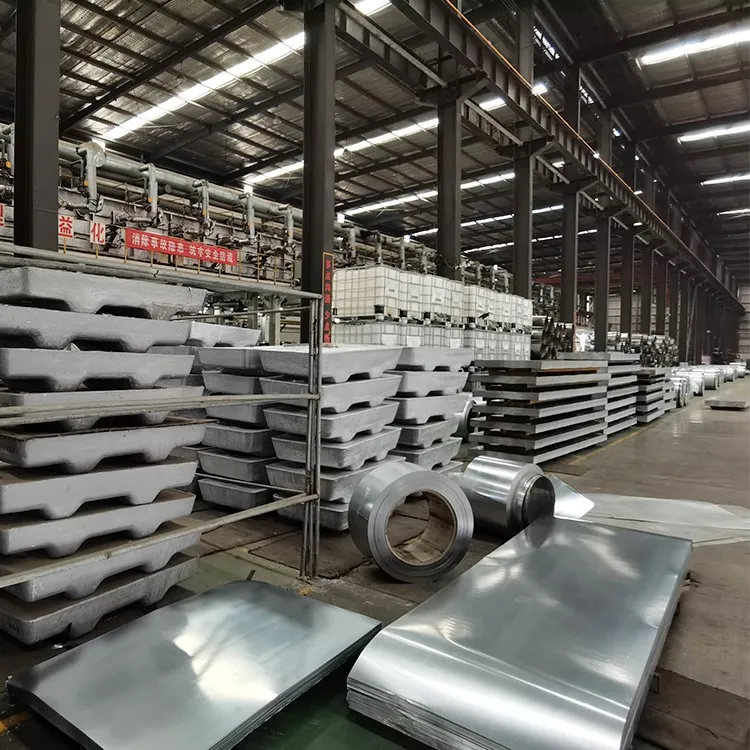
3. In terms of rust prevention, what are the advantages and limitations of galvanized fittings compared to materials like stainless steel?
This is a key difference. The advantage lies in its lower cost and the cathodic protection provided by the zinc layer. Even with minor scratches on the galvanized surface, the surrounding zinc layer will preferentially corrode, protecting the exposed steel substrate from immediate rusting. This makes it more effective at preventing rust than ordinary coated steel sheets with similar scratches.
The limitation is that its overall corrosion resistance and durability are not as good as stainless steel. Stainless steel's corrosion resistance comes from its internal chromium, which forms a stable oxide film, providing long-lasting rust protection, especially in harsh environments such as humidity, salt spray, and chemical reactions. The protection provided by galvanization is "consumable," and in highly corrosive environments such as acid rain and high salt spray, its consumption rate is greatly accelerated, resulting in a significantly shorter lifespan than stainless steel. Therefore, choosing between galvanization and stainless steel is essentially a trade-off between cost and long-term rust protection.
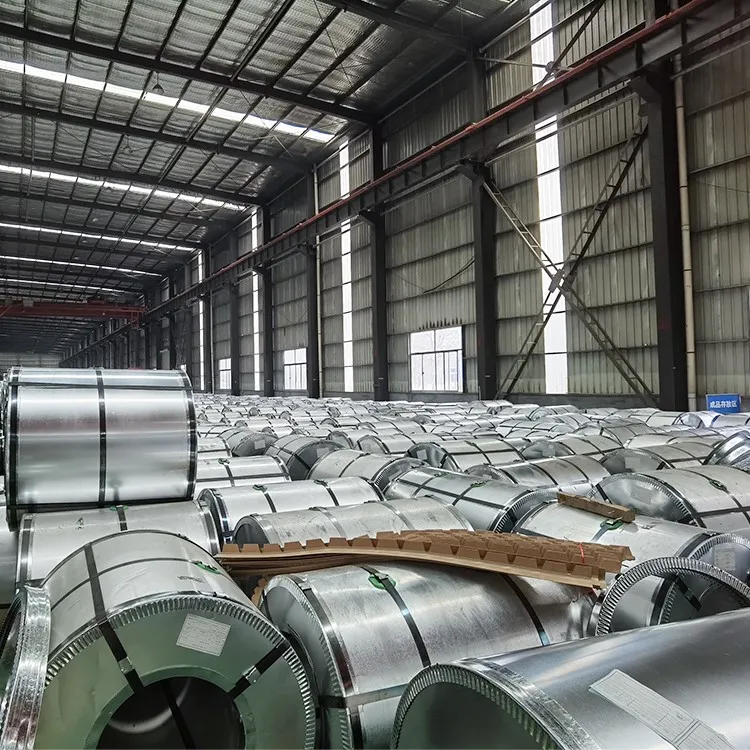
4. How are the processing properties of galvanized coils when manufacturing parts? Will they affect the precision or strength of the parts?
Galvanized coils have excellent processing properties, which is a major reason for their widespread use. Galvanized coils are usually available in the form of electro-galvanized sheet (SECC) or hot-dip galvanized sheet (SGCC), both based on low-carbon steel, inheriting its good stamping and bending properties, making them ideal for manufacturing small hardware parts.
However, there are some subtle differences to be aware of during processing:
Welding: Welding hot-dip galvanized parts will burn the zinc layer and produce harmful gases. It is generally recommended to grind off the zinc layer in the weld area before welding and then repair it with a zinc-rich paint or other anti-corrosion coating after welding.
Precision: Electro-galvanized coatings are thinner and more uniform, with a smooth surface. Therefore, electro-galvanized screws and other parts have high dimensional accuracy and are the first choice for precision small parts. Hot-dip galvanized coatings are thicker, which may cause difficulties in thread engagement and affect torque consistency. It is generally not used for high-strength or critical load-bearing parts.
5. What are the key selection points for galvanized parts to ensure high cost-effectiveness?
To ensure you get high-quality galvanized parts at a reasonable cost, consider the following:
**Consider the process:** For most small indoor or general outdoor parts such as screws, washers, and brackets, electro-galvanizing (with a silvery-white or bluish-white zinc layer) is the first choice. It offers high precision and low cost. Hot-dip galvanizing should only be considered for applications requiring extremely high outdoor durability, such as large-scale structural components like power transmission towers.
**Consider the zinc coating:** This directly determines the rust-proof lifespan of the parts. In corrosive environments such as coastal areas, high humidity areas, or near chemical plants, or for screws and brackets used outdoors, be sure to verify with the supplier and provide a salt spray test report to ensure that the "thick zinc coating" is sufficient to withstand harsh conditions.
**Consider the application:** Clearly define the intended use of the parts. If only short-term rust protection is needed or for use in dry indoor environments, electro-galvanizing is sufficient. If long-term exposure to extremely humid or acidic/alkaline environments is required, stainless steel should be upgraded.