


Q: Are agricultural greenhouse frames made of galvanized coil durable? How many years do they typically last?
A: Galvanized coil is currently the mainstream material for making agricultural greenhouse frames, and it is generally durable. However, its durability depends heavily on the galvanizing process. Frames using high-quality hot-dip galvanizing can typically have a design lifespan of 15 to 20 years under normal operating conditions. Authoritative data even indicates that in suitable suburban environments, a standard hot-dip galvanized rust-proof layer can last for over 50 years without major repairs. On the other hand, cold galvanizing (also known as electro-galvanizing), due to its extremely thin coating (usually about 5-10 micrometers), has weak corrosion resistance and a lifespan of only 5 to 10 years.
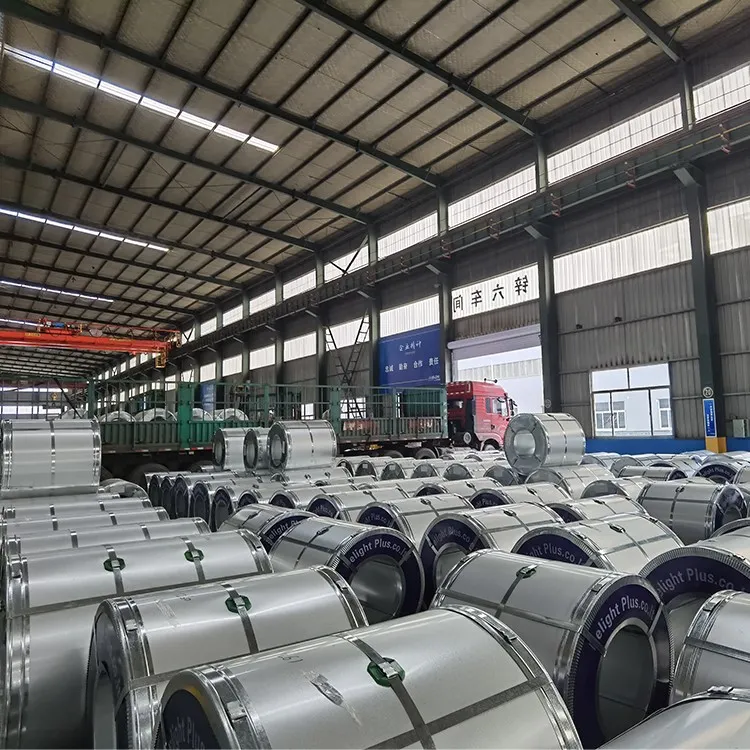
2. Why is there such a huge difference in lifespan between hot-dip galvanized and cold-dip galvanized steel frames?
A: The fundamental reason for this huge difference lies in the different thicknesses and bonding methods of the coatings. Hot-dip galvanizing involves immersing steel in molten zinc at high temperatures, where zinc and iron form a strong alloy layer at the interface. This zinc layer is typically 65-85 micrometers thick, or even thicker, creating a dense physical barrier. Cold-dip galvanizing, on the other hand, uses electrochemical principles to deposit the zinc layer at room temperature, resulting in a thinner layer with relatively weaker adhesion. Therefore, in the high-humidity environment of a greenhouse, hot-dip galvanized frames can resist corrosion for a long time, while cold-dip galvanized frames may begin to rust severely within one year or even six months, seriously threatening the structural stability and safety of the greenhouse.
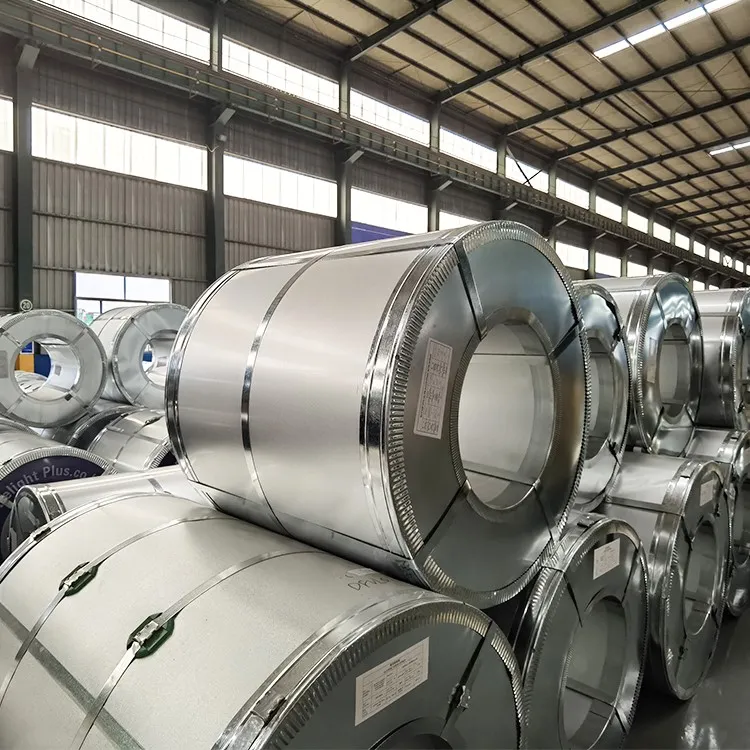
3. Will the high temperature and humidity environment inside a greenhouse significantly shorten the lifespan of the galvanized frame?
A: Yes, the consistently high temperature (e.g., above 30°C) and high humidity (e.g., above 80%) environment inside a greenhouse does pose a severe challenge to the corrosion resistance of the frame. In this environment, agricultural chemicals and microbial activity can also exacerbate corrosion. Nevertheless, high-quality hot-dip galvanized frames can still maintain a lifespan of over 15 years under such challenges due to their strong corrosion resistance. However, greenhouses located in coastal areas, areas with strong acids or alkalis, or areas with high salt content will experience accelerated corrosion rates, potentially shortening their lifespan to 10 to 15 years.
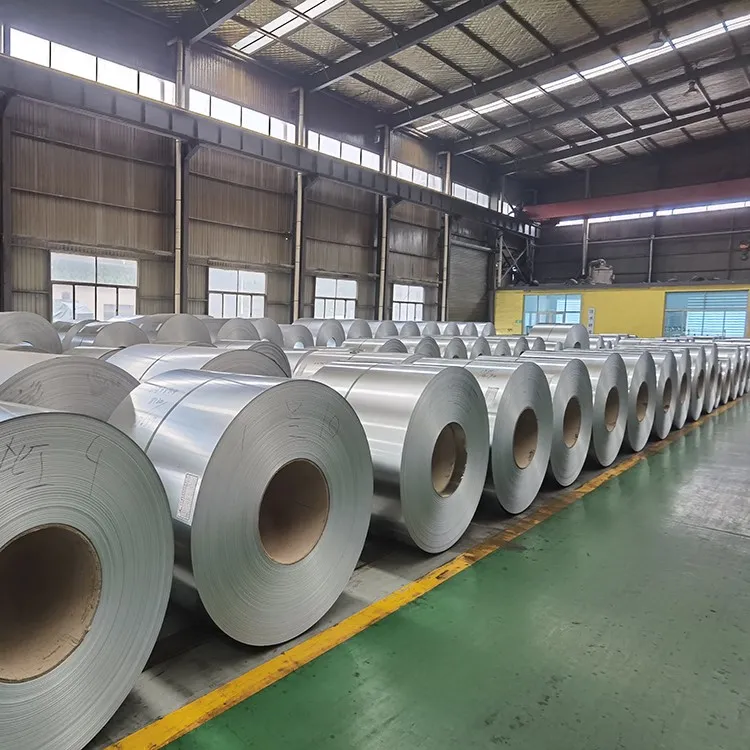
4. As a farmer, how can I effectively extend the service life of the galvanized frame in daily use?
A: The following daily maintenance measures can be taken. First, maintain ventilation and dehumidification. When watering, use drip irrigation to avoid flooding and reduce the amount of water adhering to the frame for extended periods. Second, clean and inspect regularly, paying particular attention to welded joints, bolt connections, and other easily rusted areas. If slight rust is found on the galvanized layer, it should be promptly sanded and repaired by applying a layer of high-quality anti-rust paint or cold-dip galvanizing coating. Finally, avoid physical damage. When installing and replacing the greenhouse film, avoid scratching the galvanized layer with sharp objects. Doing these things can usually significantly extend its effective service life.
5. What are the advantages and disadvantages of using galvanized steel coils as greenhouse frames compared to other materials?
A: In summary, hot-dip galvanized frames have significant advantages and certain limitations. Advantages include excellent corrosion resistance, high strength, and the ability to withstand harsh weather conditions such as strong winds and heavy snow. They also offer standardized specifications and installation, making them well-suited for large-scale modern agriculture. However, they also have some disadvantages: higher initial investment costs. For example, the construction cost of a hot-dip galvanized steel pipe greenhouse in a cooperative in Shouguang, Shandong, is significantly higher than that of a bamboo and wood structure. Furthermore, metal has high thermal conductivity, leading to rapid heat dissipation through the frame at night in winter, increasing energy consumption for insulation. Nevertheless, its overall cost-effectiveness and long service life make it one of the preferred options for modern agricultural greenhouses. In contrast, ordinary carbon steel pipes rust after 3-5 years, and bamboo and wood structures need to be replaced every 2-3 years, while the long-term value advantage of high-standard hot-dip galvanized frames is more pronounced.