


1.What are the advantages of cold-rolled coils?
Good Hardness and Elasticity: Cold-rolled coils (such as SPCC, 08Al, etc.) have some work hardening in their factory state, making them harder than hot-rolled coils. Basic elasticity can be achieved through subsequent heat treatment (quenching + tempering) or self-tempering.
Smooth Surface: Cold-rolled sheets have a smooth surface, requiring no additional polishing to achieve a good appearance, and their rust resistance is superior to hot-rolled sheets.
Easy to Machining: Cold-rolled coils of suitable thickness (e.g., 0.3mm-0.8mm) are ideal for stamping and cutting, offering high efficiency and making them suitable for disposable, inexpensive tools.
2.What are the fatal flaws of cold-rolled coils?
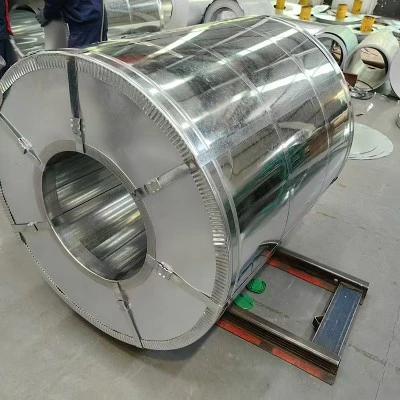
Poor fatigue resistance: Professional tweezers (such as imported Swiss tweezers and Japanese VETUS tweezers) use martensitic stainless steel (such as 3Cr13, 4Cr13, or even higher-end cobalt alloys). Cold-rolled coils are mainly low-carbon steel. After hundreds or thousands of repeated opening and closing, the jaws are prone to permanent deformation and loss of clamping force.
Lack of rust prevention: This is the biggest drawback. Cold-rolled coils are carbon steel. Even if chrome-plated, they will rust quickly once the plating wears off (the tweezer tips will inevitably wear off). The use of rust-prone iron tweezers is strictly prohibited in medical or chemical laboratories.
Limited elastic modulus: To make elastic tweezers from cold-rolled coils, heat treatment is necessary. Without heat treatment, simply cutting a piece of iron will only "bend" and not "spring back."
3.How do I make my own household tweezers?
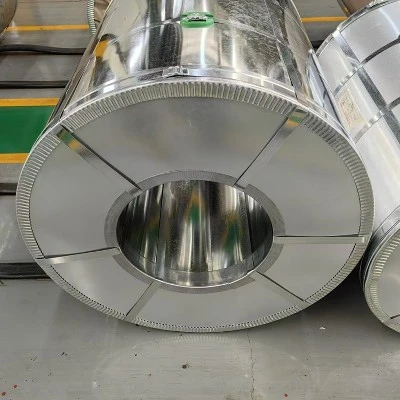
Find a cold-rolled coil (rigid state) with a thickness of 0.4mm-0.5mm, cut it into long strips, bend it in the middle, and sand the edges. It's perfect for holding a cotton ball or retrieving small parts; the cost is almost zero.
4.If you want to open a mold for production, how do you do it?
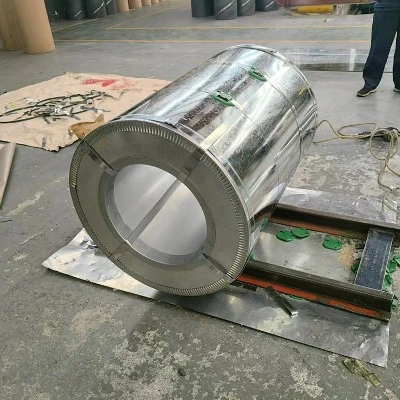
Cold-rolled coils can be used, but the process is: stamping → heat treatment (quenching + medium-temperature tempering) → surface electroplating (bright chrome or nickel).
Tweezers made this way are flexible, attractive, and inexpensive; they're readily available and sell for a few cents to a dollar or two. The downside is that they'll loosen and rust over time.
5.If you want to make high-end/medical devices, how do you do it?
The material must be changed. At least 3Cr13 stainless steel (430 stainless steel) should be used, or even non-magnetic stainless steel. The corrosion resistance and anti-magnetization properties of cold-rolled coils do not meet medical standards.