


1.What are the key considerations?
Hygiene and Cleanliness: The surface must be dense, non-porous, and smooth, not easily accumulating dust, and easy to clean and disinfect.
Corrosion Resistance: Resistant to long-term corrosion from food residues, cleaning agents (such as acids and alkalis), and disinfectants (such as chlorine-based agents).
Mold and Bacterial Resistance: The material itself should not promote the growth of mold and bacteria.
Structural Integrity: Sturdy, wear-resistant, and impact-resistant, not easily broken or producing debris.
Regulatory Compliance: Must meet the basic requirements for factory facilities as stipulated in the National Food Safety Standard - General Hygiene Specifications for Food Production (GB 14881).

2.What are the advantages of color-coated steel coils (color steel sheets)?
Lower cost: Compared to materials such as stainless steel and professional food-grade resin boards, color-coated rolls are more affordable.
Quick installation: Lightweight, easy to cut and install, suitable for rapid partitioning.
Clean appearance: Smooth surface, various colors available, visually clean.
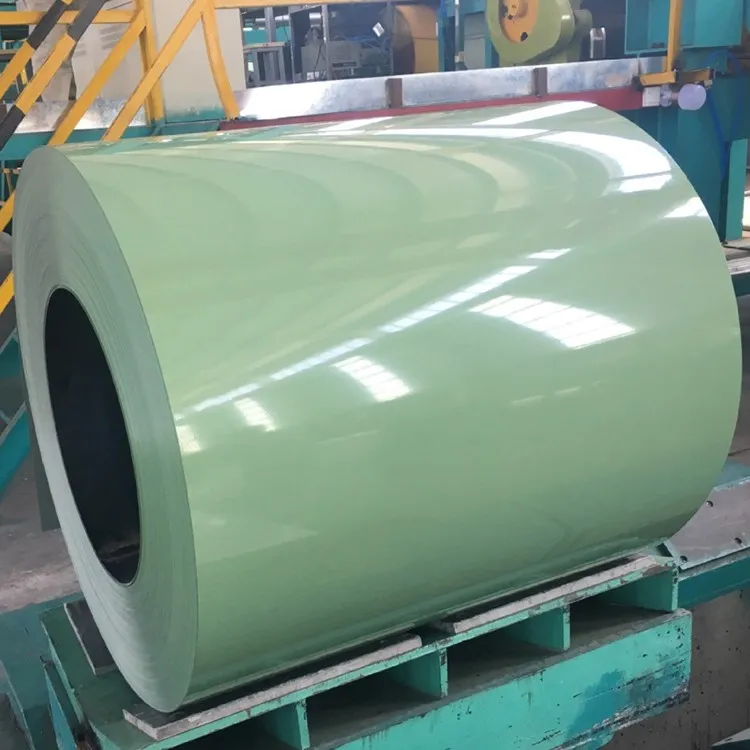
3.What are the disadvantages and risks of color-coated steel coils (color steel sheets)?
Coating durability is crucial: Ordinary construction-grade color-coated steel coils (such as polyester coatings) lack sufficient coating thickness and chemical resistance. In food environments with frequent cleaning and sterilization, the coating is prone to:
Scratching: Equipment handling and operational bumps can easily damage the coating.
Blistering and peeling: Moisture and corrosive substances can penetrate the substrate (usually galvanized steel) through damaged areas, leading to rust and corrosion.
Loss of luster and chalking: Long-term exposure to chemicals causes the coating to age and become difficult to clean.
Seam treatment: Poorly sealed seams between panels (such as aging and cracking of the sealant) can become breeding grounds for dirt and bacteria.
Fire resistance rating: It is necessary to confirm whether the fire resistance rating of the core material (if it is sandwich panel) and the coating meets the factory's fire safety requirements.

4.In what situations can it be used with caution?
Area: For use in areas not directly involved in production or requiring moist cleaning, such as dry storage areas, outer packaging areas, office areas, and changing rooms.
Material Requirements:
Must be selected from color-coated steel sheets of "food workshop specific" or "industrial strong corrosion resistant" grade. For example, steel sheets with PVDF (polyvinylidene fluoride) or HDP (high-durability polyester) coatings have significantly better thickness, chemical resistance, and durability than ordinary polyester coatings.
The substrate should preferably be made of aluminized zinc-plated steel sheet, which has better corrosion resistance than galvanized sheet.
Sufficient thickness is required; it is recommended that wall panels use substrates with a thickness of 0.5mm or more.
Structure: Tongue-and-groove interlocking panels are preferred to reduce longitudinal seams. All seams must be reliably sealed with neutral sealant specifically for food workshops.
Corner Treatment: The inside corners between walls and floors, and between walls and ceilings, must be rounded (R≥30mm) for easy cleaning.
5.In what situations is it strongly advised against using this product?
Moist work areas: such as areas for raw material handling, washing, cooking, and cooling.
Clean areas: direct production areas requiring high hygiene standards (such as cooling rooms and inner packaging areas).
Areas with high moisture content, high temperatures, or strong chemical disinfection.
Use ordinary architectural-grade color-coated steel sheets.