


1.Is it possible to reapply?
Chalking of the coating means that the resin base in the coating has been damaged and degraded by ultraviolet light (mainly) and chemicals, leaving only loose pigment powder adhering to the surface. At this point, the coating has lost most of its protective function.
If new paint is applied directly to a chalked surface that has not been properly cleaned:
Extremely poor adhesion: The new coating adheres to the loose powder, like painting on sand, and is extremely easy to peel off.
Poor appearance: Powder mixes into the new paint layer, resulting in a rough surface, uneven gloss, and color contamination.
Accelerated failure: The unresolved problems remain, and the new coating will quickly chalk and peel again.
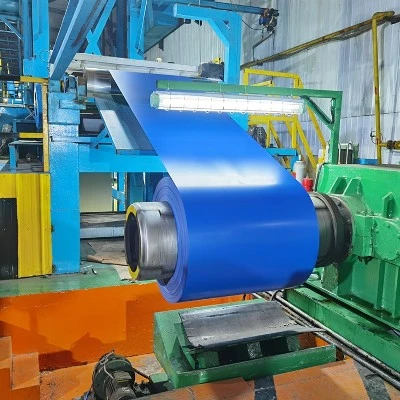
2.How to comprehensively assess security?
Assess the chalking level: Rub the surface with tape or your hand to assess the degree of chalking (light, moderate, severe) according to ASTM D4214. Severe chalking (significant powder loss) generally does not warrant recoating.
Inspect the substrate condition: Check the zinc plating beneath the chalking area for white or red rust. If rust is present, thorough rust removal and application of a rust-preventive primer are necessary, a more complex process.
Determine the recoating objective: Clarify whether it is temporary protection (e.g., extending service life by 1-2 years) or a decorative restoration.
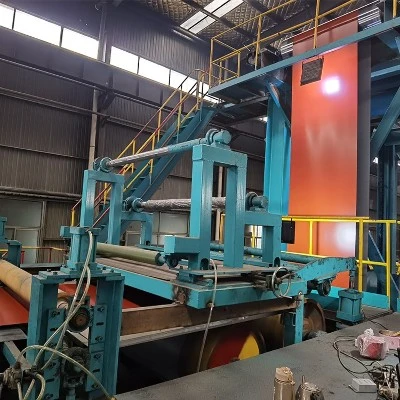
3.What are the thorough basic processing steps?
High-Pressure Water Rinse: Use low to medium pressure water to rinse and remove loose dust and powder. Avoid direct spraying with a high-pressure water gun to prevent damage to the remaining coating or water seeping into the seams.
Mechanical Cleaning:
Dry Method: Use fine sandpaper (e.g., 180-240 grit) or a soft scouring pad to gently and evenly sand the entire powdery area until a solid, glossy coating surface is exposed. Be careful not to over-sand and damage the zinc layer.
Wet Method: For large areas, low-pressure sandblasting (e.g., using a plastic blasting medium) or a specialized cleaning agent can be used.
Thorough Cleaning: Use a clean brush, vacuum cleaner, or compressed air to remove all sanding dust. The surface must meet the standard of "free of dust, grease, and loose particles."
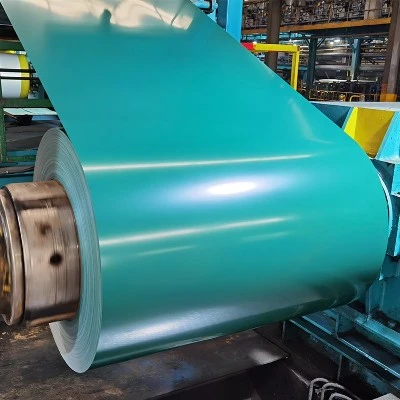
4.How to choose the right repair?
Specialized metal anti-corrosion topcoats: such as acrylic polyurethane topcoats and fluorocarbon topcoats, possessing excellent adhesion, weather resistance, and flexibility.
Compatibility testing: Apply a small, inconspicuous area as a test coat to check adhesion (cross-cut test) and color appearance, confirming no adverse reactions.
Color matching: Acceptable color differences between the new and old coatings (differences in newness and gloss); choose colors that are as close as possible.
5.What are the conditions for standardized construction?
Environmental Conditions: Apply in dry, windless weather with a suitable temperature (5-35℃) and relative humidity below 85%.
Coating Method: Spraying is recommended for uniform film thickness and appearance. Brushing or roller coating may leave noticeable marks.
Number of Coats: Apply at least two coats to ensure the total dry film thickness meets the specified requirements (typically 60-80μm). Allow sufficient surface drying time between each coat.
Edge Treatment: A smooth transition ("thin edge") should be created at the junction of new and old coatings to minimize visual differences.