


In 2026, the global automotive industry continues to grapple with complex pricing dynamics for cold rolled steel (CRS)-the foundational material for automotive sheet metal fabrication, including brackets, body panels, and structural components. For automotive manufacturers, tier-1 suppliers, and procurement teams targeting Southeast Asian markets (e.g., Vietnam's Hyundai-focused supply chains), understanding automotive steel coil pricing trends is critical to budgeting, supplier selection, and supply chain resilience.
This industry knowledge deep dive analyzes 2026's key pricing drivers, cost breakdowns for core automotive CRS grades (SPCC, SGACC, SGAHC), and strategic sourcing insights to help you optimize procurement costs while maintaining quality compliance.
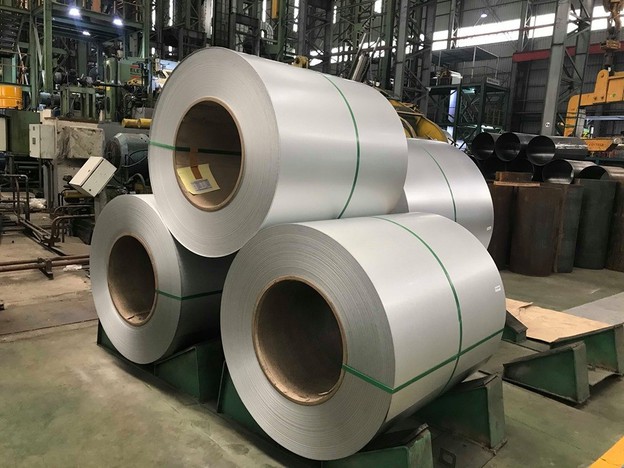
Cold rolled steel coil
2026 Global & China CRC Steel Price Trend: Core Drivers
The 2026 CRC steel price trend China (and global automotive steel coil pricing) is defined by a mix of stability and targeted fluctuations, shaped by four interlocking factors. Unlike the extreme volatility of 2023–2024, 2026 pricing follows a "moderate fluctuation" model, with predictable cost bands for bulk cold rolled steel wholesale orders.
1. Raw Material Costs: The Foundation of Pricing
Iron ore and scrap steel remain the primary cost inputs for cold rolled steel production. In 2026:
Iron ore prices: Stabilized at $110–$130 per ton (down 12% from 2025 peaks) due to increased supply from Australian and Brazilian mines, reducing upstream cost pressure for Chinese steel mills.
Scrap steel prices: Trending upward at $320–$350 per ton (up 8% YoY) driven by automotive industry recycling demand and global supply chain constraints.The net effect: Cold rolled steel mills have maintained moderate pricing, avoiding sharp hikes while passing on incremental scrap steel costs to buyers.
2. Energy Costs: A Critical Variable for Chinese Exports
China's cold rolled steel production relies heavily on electricity (for rolling) and natural gas (for annealing). In 2026:
Industrial electricity prices: Rose 5% in China's key steel-producing regions (Hebei, Jiangsu) due to grid modernization, adding $15–$20 per ton to production costs.
Natural gas prices: Stable in coastal regions but 10% higher in inland mills, creating regional pricing differentials for exported automotive steel coils.These energy costs directly impact CRC steel price trend China, with most mills absorbing 60% of energy hikes to remain competitive in global automotive supply chains.
3. Automotive Industry Demand: Volume-Driven Pricing
Global automotive production (especially in China, ASEAN, and North America) remains the largest demand driver for cold rolled steel. In 2026:
Light vehicle production: Expected to rise 4% YoY, increasing demand for automotive-grade CRS (SPCC, SGACC, SGAHC).
EV transition impact: Electric vehicle manufacturers require higher-strength cold rolled steel (e.g., SGAHC) for lightweight structural design, creating a pricing premium for high-performance grades.This demand growth has prevented a price drop for automotive steel coils, keeping pricing in a stable range for cold rolled steel wholesale buyers.
Automotive Steel Coil Pricing Breakdown (2026, CIF Haiphong Port, USD/kg)
To provide actionable cost insights, we break down pricing for the three core cold rolled steel grades used in automotive bracket fabrication-SPCC, SGACC, and SGAHC-across different thickness specifications (1.6T, 2.0T, 2.5T). This data aligns with 2026's CRC steel price trend China and reflects cold rolled steel wholesale volume discounts (20 tons/month, 240 tons/year).
| Steel Grade | Thickness (mm) | 2026 Base Price (USD/kg) | Wholesale Discount (≥240 tons/year) | Final CIF Price (USD/kg) | Key Cost Driver |
|---|---|---|---|---|---|
| SPCC (General-Purpose) | 1.6 | 0.78 | 3% | 0.76 | Low production complexity, high demand volume |
| SPCC | 2.0 | 0.80 | 3% | 0.78 | Consistent material yield for stamping |
| SPCC | 2.5 | 0.82 | 5% | 0.78 | Bulk ordering premium for thicker gauges |
| SGACC (Corrosion-Resistant) | 1.6 | 0.82 | 3% | 0.80 | Added corrosion-resistant coating production |
| SGACC | 2.0 | 0.84 | 3% | 0.82 | Moderate alloy content vs. SPCC |
| SGACC | 2.5 | 0.86 | 5% | 0.82 | Extended component lifespan cost justification |
| SGAHC (High-Strength) | 1.6 | 0.88 | 3% | 0.85 | High-strength alloying (Nb, Mn) |
| SGAHC | 2.0 | 0.90 | 3% | 0.88 | Precision rolling for structural integrity |
| SGAHC | 2.5 | 0.92 | 5% | 0.88 | Low defect rate in high-load applications |
Key Pricing Observations
- Grade Premiums: SGAHC commands a 10–15% price premium over SPCC, while SGACC is 5–8% higher than SPCC-reflecting differences in production complexity and material performance.
- Thickness Impact: Thicker gauges (2.5T) have a lower per-kg price than thinner gauges (1.6T) due to reduced processing time, a critical cost-saving tip for automotive bracket manufacturers using heavy-duty stamping.
- Wholesale Discounts: Annual orders of 240 tons (20 tons/month) unlock 3–5% discounts, reducing total annual costs by $4,800–$12,000 for a 240-ton order-significant for high-volume automotive production.
Cost Optimization Strategies for Automotive Steel Coil Procurement (2026)
Based on 2026's pricing trends, we outline four actionable strategies to reduce cold rolled steel costs without compromising automotive quality standards:
1. Leverage Cold Rolled Steel Wholesale Volume Discounts
For automotive tier-1 suppliers with consistent monthly demand (20+ tons), committing to annual volume orders (240+ tons) is the most impactful cost-saving step. The table above shows 3–5% discounts for bulk orders, which can reduce total procurement costs by 6–10% annually. Pair this with a long-term contract (12+ months) to lock in pricing, mitigating CRC steel price trend China fluctuations.
2. Optimize Grade Selection to Avoid Over-Engineering
Many automotive manufacturers over-specify steel grades to "ensure safety," driving up costs unnecessarily:
Use SPCC for non-structural brackets (interior supports, small hinge brackets) - it offers sufficient formability at the lowest cost.
Use SGACC only for corrosion-prone parts (undercarriage, engine bays) - its premium is justified by reduced maintenance costs.
Use SGAHC exclusively for load-bearing brackets (chassis crossmembers, seat supports) - avoid using it for standard parts to cut costs.This targeted grade usage reduces material expenses by 8–12% for average automotive bracket production lines.
3. Optimize Thickness Specifications with Engineering Teams
Work with your engineering team to validate the minimum thickness needed for each bracket type, rather than using a "one-size-fits-all" 2.5T gauge:
Standard interior brackets can use 1.6T SPCC (saving 2–3% on material costs vs. 2.0T).
Light load brackets can use 2.0T SGACC (balancing corrosion resistance and cost).
High-load chassis brackets require 2.5T SGAHC (strength cannot be compromised).Precision thickness selection reduces material waste and aligns with cold rolled steel wholesale pricing tiers, lowering per-unit costs by 4–6%.
4. Monitor CRC Steel Price Trend China and Lock in Favorable Rates
Subscribe to real-time steel price tracking services to monitor CRC steel price trend China movements. In 2026, pricing is stable, so buyers can:
Negotiate quarterly price reviews with suppliers to align with market trends.
Prepay 30–50% of orders to secure additional discounts (2–3%) during low-demand procurement cycles.
Avoid emergency orders (which carry 10–15% surcharges) by planning procurement 4–6 weeks in advance.
Request Latest Steel Price Today
Frequently Asked Questions (FAQ)
Q1: How does the 2026 CRC steel price trend China impact long-term contracts for automotive steel coils?
The stable 2026 trend makes long-term contracts (12+ months) ideal for automotive buyers. Locking in rates for 240+ tons of SPCC/SGACC/SGAHC coils eliminates the risk of sudden price hikes, ensuring predictable budgeting for annual automotive production. Most Chinese steel suppliers offer 2–3% additional discounts for 18-month contracts, further reducing long-term costs.
Q2: What is the typical cost difference between SPCC and SGACC for automotive brackets?
For 1.6T coils (CIF Haiphong, 2026), SPCC costs $0.76/kg vs. SGACC's $0.80/kg-a 5% premium. For 2.5T coils, SPCC is $0.78/kg vs. SGACC's $0.82/kg (5% premium). This premium is offset by SGACC's 30% longer lifespan in humid Vietnamese climates, reducing replacement and maintenance costs over time.
Q3: Are there any hidden costs to consider when calculating automotive steel coil pricing?
Yes-beyond the base CIF price, factor in:
Material waste: 3–5% waste is standard for stamping; choosing a grade with high formability (e.g., SPCC) reduces waste costs by 1–2%.
Logistics surcharges: Urgent orders (7-day delivery) carry a 10% surcharge; plan orders 10–15 days in advance to avoid this.
Quality control: Third-party testing (SGS/TUV) adds $50–$100 per order, but most cold rolled steel wholesale suppliers include this for free for long-term partners.
Q4: Can I negotiate pricing for custom-sized automotive steel coils (e.g., 1.6T*200mm)?
Yes, for cold rolled steel wholesale orders (≥20 tons/month). Custom sizes do not add significant production costs for standard widths (200mm) and thicknesses (1.6–2.5T), so you can negotiate to eliminate custom surcharges. For non-standard sizes (e.g., 1.6T*180mm), a 2–3% surcharge may apply, which can be waived with annual volume commitments.
We offer custom-sized SPCC/SGACC/SGAHC coils, transparent CIF Haiphong pricing, and expert technical support to help you implement these cost-saving strategies. Whether you need a detailed cost quote for your 240-ton annual order or technical guidance on grade selection, our team is ready to assist.
Contact our automotive steel procurement experts today to request a free 2026 cost analysis tailored to your production line, or to sample our high-quality cold rolled steel coils for your automotive bracket fabrication projects. Let's build a cost-effective, reliable supply chain for your automotive manufacturing needs in 2026 and beyond.