


1. Q: What is the difference in surface gloss values between matte and glossy colored coatings?
A: Glossy colored coatings typically have a higher gloss level, ranging from 60 to 90 degrees when measured with a 60° gloss meter. The surface reflects light clearly, exhibiting a mirror-like effect. Matte colored coatings have a lower gloss level, usually around 15 to 30 degrees. The surface has diffuse reflection, without strong glare, resulting in a softer visual appearance.,
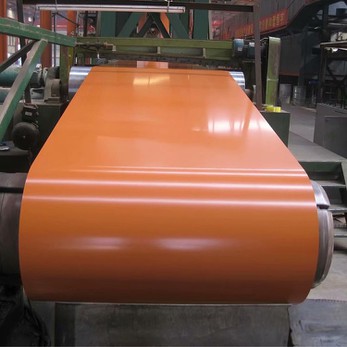
2. Q: Which surface is more scratch-resistant and better at concealing imperfections?
A: Matte surfaces are more resistant to minor scratches. This is because low gloss effectively diffuses light, making fine scratches, roll marks, or substrate defects less visible to the naked eye; glossy surfaces, on the other hand, magnify any tiny imperfections like a mirror, requiring greater protection during processing, transportation, and installation.
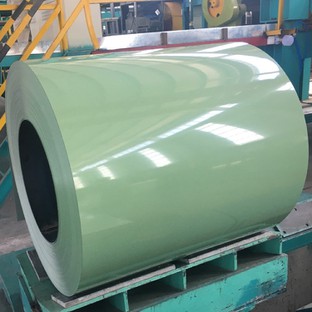
3. Q: Which is better, weather resistance or fade resistance?
A: Matte coatings generally have a slight advantage. The matting agents (such as silica) in matte coatings increase the density of the paint film, while the low gloss reduces the intensity of direct UV reflection, resulting in lower gloss loss and better color retention under long-term outdoor exposure. Glossy coatings, on the other hand, are prone to rapid gloss loss (gloss loss) due to UV rays and pollution outdoors, and color variations are more pronounced.
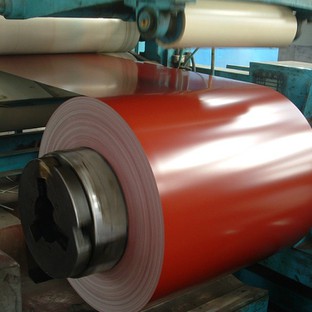
4. Q: How to choose the application scenario?
A:Glossy: Suitable for places with high requirements for decoration and cleanliness, such as indoor appliance casings, high-end kitchenware, showroom partitions, commercial facades, etc. Easy to clean and vibrant colors.
Matte: Widely used for building exteriors, roofs, industrial plants, livestock farm panels, etc. Reduces light pollution (especially along airports and highways), visually comfortable, resistant to dirt, and minor scratches are not noticeable.
5. Q: What are the differences in production processes and costs?
A: Matte coated coils require the addition of matting agents (such as micronized wax or fumed silica) to the topcoat, and strict control of coating temperature and curing curves. The process window is narrower, and the yield rate is slightly lower. Therefore, under the same coating system, matte products are typically 5% to 10% more expensive than glossy products. Glossy processes are mature and stable, and the cost is relatively lower.