


1.What are the characteristics of the zinc layer of DX51D?
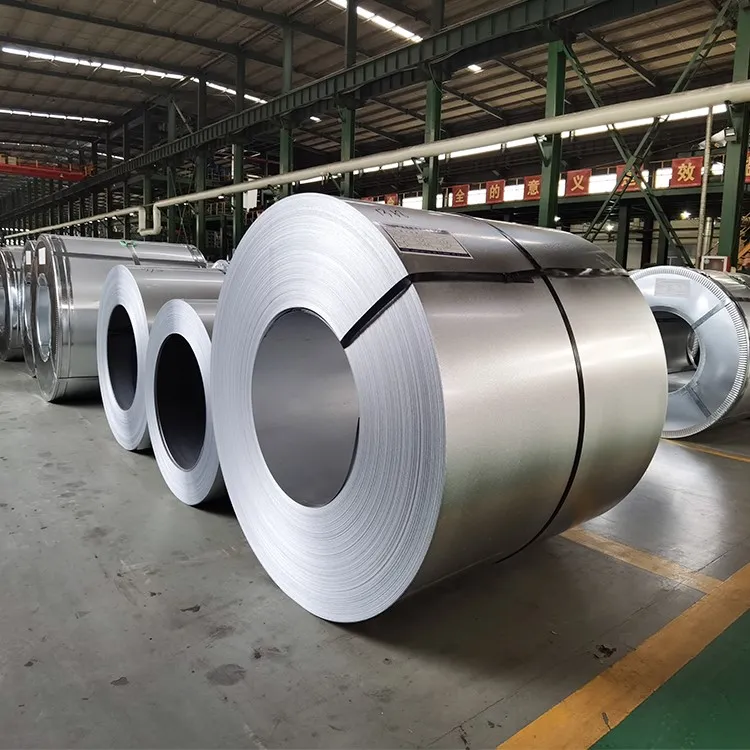
The zinc coating on this galvanized steel is approximately 11μm thick. This layer effectively isolates air and moisture, protecting the steel substrate. A zinc coating thickness of 80g/m² provides a certain level of corrosion resistance, making it suitable for general indoor environments or applications where corrosion resistance is less critical, such as interior architectural decorative components and common appliance housings.
2.What are the performance advantages of DX51D Z80G?
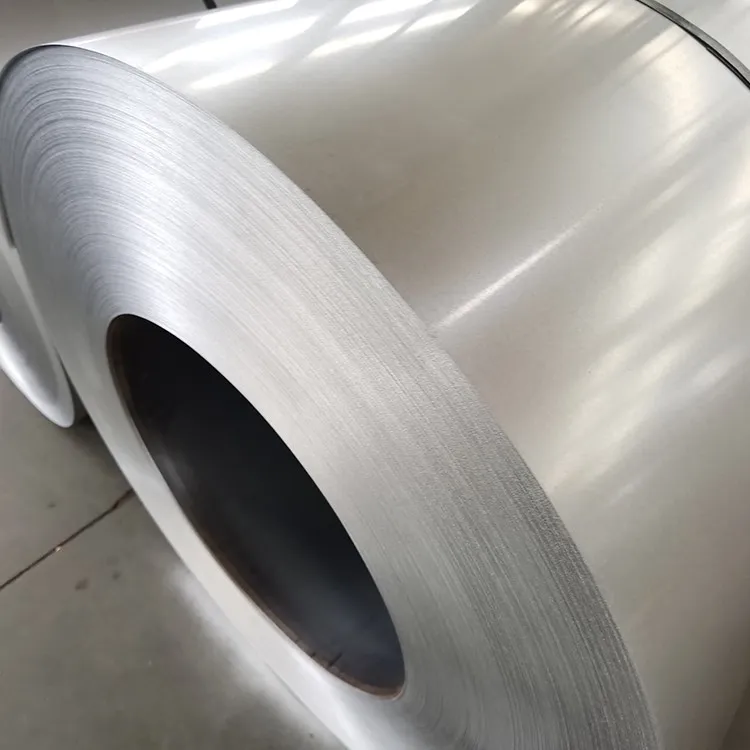
In addition to the excellent workability and medium strength of DX51D galvanized steel, the presence of the zinc layer provides strong rust resistance. Under normal use, the surface can remain rust-free for a long time, extending the service life of the steel. The zinc layer weight of 80g/m² ensures a good balance between cost and performance, offering a high cost-effectiveness.
3.What are the main application areas of DX51D Z80?
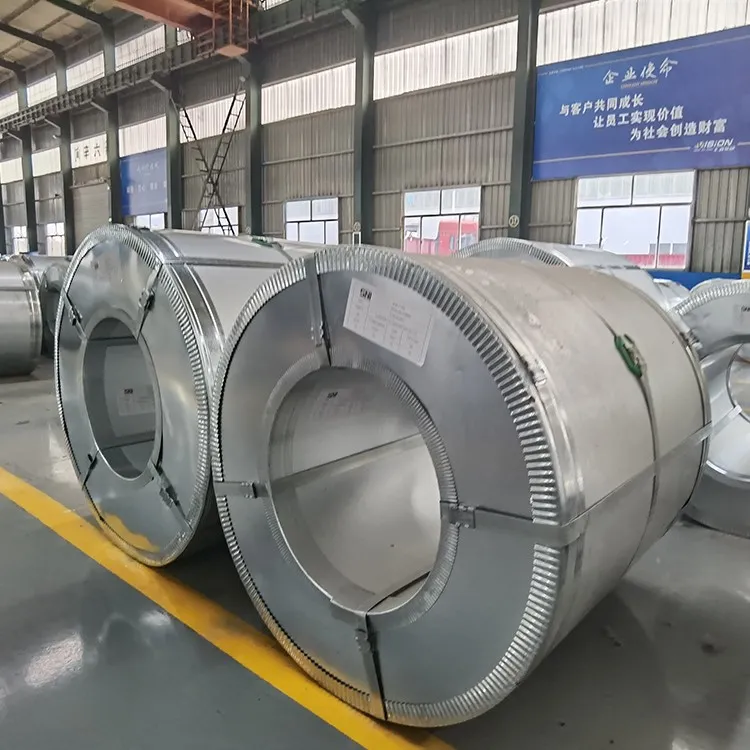
It is often used in the construction industry where corrosion resistance is not particularly demanding, such as indoor light steel keels; in the home appliance field, it can be used to manufacture some parts that have certain requirements for rust prevention but do not require ultra-high protection, such as refrigerator internal partitions; it can also be used in the production of some ordinary light industrial products, such as filing cabinets, office desks and chairs.
4.What are the main applications of DX51D 80G in the home appliance industry?
Refrigerators and freezers: Internal partitions, drawer slides, and back panels (non-exposed surfaces).
Washers and dryers: Internal brackets, control panel backs, and bases (parts not exposed to moisture).
Air conditioners: Indoor unit internal brackets, air duct components, and junction boxes.
Microwave ovens and ovens: Casings (select models), internal brackets, and base panels.
Small appliances: Internal support components or casings (low-cost models) for toasters, electric kettles, and coffee makers.
5.What are the advantages and disadvantages of DX51D Z80G?
Cost Advantage: Z80 is one of the lowest commonly used zinc layer weight grades, resulting in the lowest material cost.
Good Formability: DX51D substrate is designed for general forming applications such as bending and shallow stamping.
Limited Corrosion Resistance:
Suitable only for dry indoor environments or short-term outdoor use.
It is susceptible to rust and has a short service life in humid environments, coastal areas, condensation, or corrosive atmospheres (such as industrial areas). It is not suitable for automotive exteriors, outdoor structures, roofs, facades, or wet areas (bathrooms, kitchens).