


1. What is the typical lifespan of galvanized coils left exposed outdoors?
There is no fixed answer to this question, but a general range can be given. In rural or ordinary urban areas with good air quality, and where the galvanized layer is of acceptable quality and moderate thickness (e.g., double-sided zinc layer weight of 80-100g/m²), its lifespan can reach 10-15 years. However, in more corrosive environments, this number will be significantly shortened.
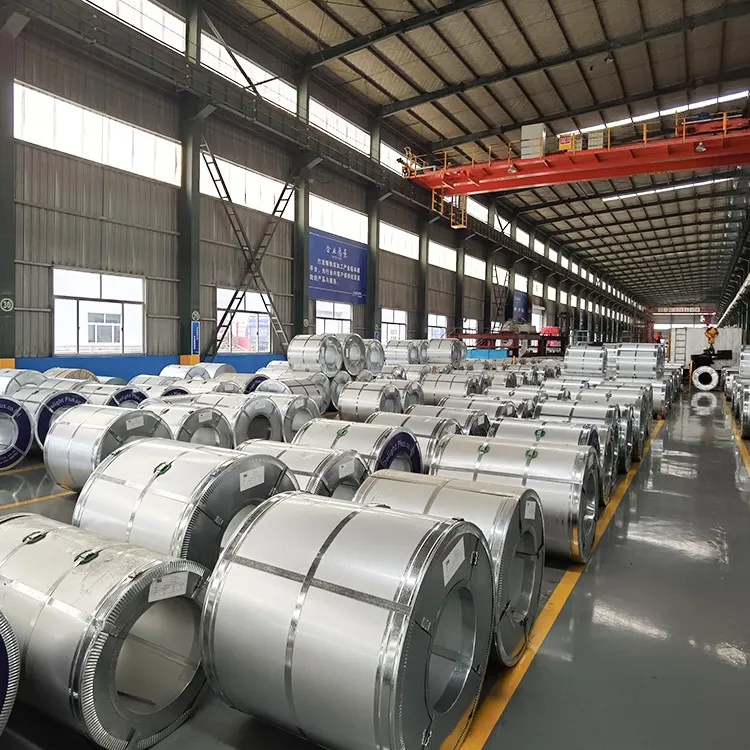
2. How much do environmental factors affect the outdoor lifespan of galvanized coils?
A: The environment is the most critical factor determining the lifespan of galvanized coils, and the lifespan varies greatly depending on the environment. In humid, rainy areas or areas with general industrial pollution, the lifespan can drop to approximately 8-12 years. In coastal areas with high salt spray or heavily polluted industrial areas, corrosion will be greatly accelerated, and the lifespan may only be 5-8 years. In extreme cases, if exposed to severe chemical fumes, or if the galvanized sheet itself is of poor quality, severe corrosion can occur within just a few months.
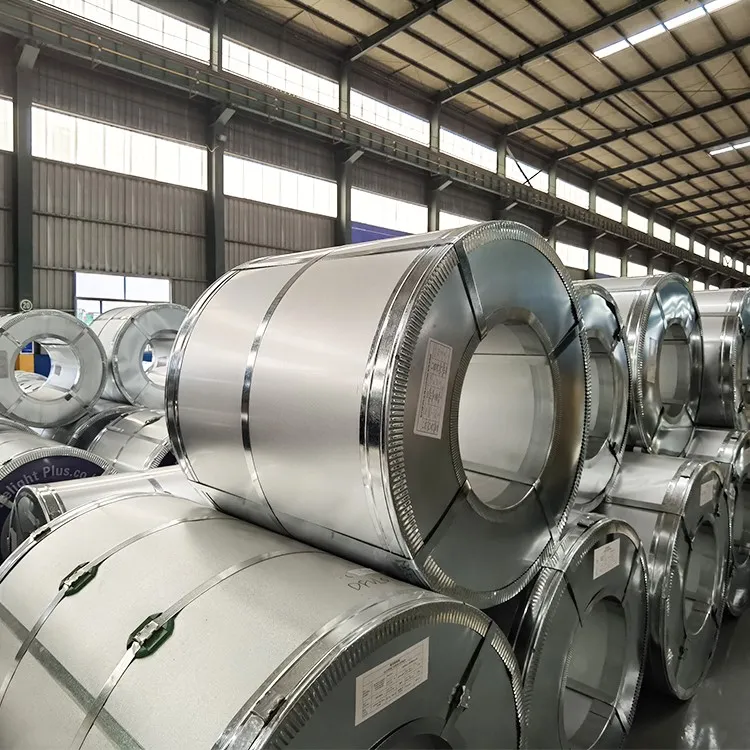
3.Besides the environment, what other key factors affect its outdoor lifespan?
Answer: There are three main factors. First is the zinc coating thickness, which is the most direct protective barrier; a thicker zinc coating provides longer protection. Different thicknesses of galvanized coils are suitable for different applications. Second is the galvanizing process and quality; poor-quality galvanized coils may start rusting outdoors after only 1-2 years, while high-quality ones provide more durable protection. Finally, physical damage; surface scratches can disrupt the integrity of the zinc coating, causing corrosion to spread from the damaged point inwards.

4. What changes will occur in the appearance of galvanized coils when they are left exposed outdoors?
A: This is a gradual process. Initially, the bright galvanized surface will gradually turn grayish-white due to oxidation. Subsequently, in humid environments, white rust (a white or gray powdery corrosion product) will begin to appear on the surface, an early sign that the zinc layer is being consumed. If the white rust is not stopped, the zinc layer will continue to thin, and eventually, when the zinc layer is completely consumed and loses its protection for the underlying steel, "red rust" will begin to appear-the rust of the base steel-meaning that the galvanized coil's protection has failed.
5. What are the recommendations if galvanized coils must be stored outdoors for extended periods?
A: While not recommended, if outdoor storage is unavoidable, immediate measures should be taken to slow corrosion. Cover them with tarpaulins or canvas to prevent direct sunlight and rain. Ensure good drainage and ventilation at the storage location, avoid contact with soil, and ideally elevate them using wooden blocks or other supports. The storage time should be minimized; the industry standard is to use them within 3 months. Regular inspections are essential, and any damage to the packaging or the appearance of white rust should be addressed and repaired immediately. Following proper storage guidelines can extend the service life by 3-5 years compared to completely unprotected storage.