


1.Is the color-coated coil a material resistant to acids and alkalis?
First and foremost, it must be clear that the primary design objectives of color-coated coils are weather resistance (UV radiation, rain and wind) and aesthetics. Their organic coatings generally have weak resistance to strong acids and alkalis. They are suitable for weak corrosion in atmospheric environments but not for direct, long-term contact with acidic or alkaline liquids or high-concentration acidic or alkaline vapors.

2.What are the three key factors that affect acid and alkali resistance time?
Weak acids/bases, low concentrations: such as dilute acetic acid, citric acid, low-concentration cleaning agents, and rainwater (usually weakly acidic). High-quality coatings can withstand these for a long time with minimal impact.
Medium concentrations of acids and bases: such as common industrial cleaning agents and atmospheric pollutants in chemical industrial areas (acid mist, alkali mist). These will cause the coating to gradually lose its gloss, chalk, and soften, significantly shortening its lifespan from years to months or even weeks.
Strong acids/bases, high concentrations: such as concentrated sulfuric acid, hydrochloric acid, and sodium hydroxide solutions. These will cause the coating to undergo rapid chemical corrosion within minutes to hours, manifesting as blistering, dissolution, and peeling, completely losing its protective function.

3.What are the exposure conditions and environment?
Contact Methods:
Occasional splashes vs. prolonged immersion: Vastly different. Immediate cleaning after short-term contact may have little impact; prolonged immersion will inevitably lead to rapid failure.
Gas phase (vapor/mist) vs. liquid phase: High concentrations of acid and alkali vapors are equally destructive to coatings and are even more difficult to prevent.
Temperature: For every 10°C increase in temperature, the chemical reaction rate approximately doubles. High temperatures greatly accelerate the corrosion process of coatings by acids and alkalis.
Mechanical stress: In the presence of acids and alkalis, if the coating is simultaneously subjected to stress caused by wind loads, vibration, or temperature differences, it will accelerate cracking and peeling of the coating.
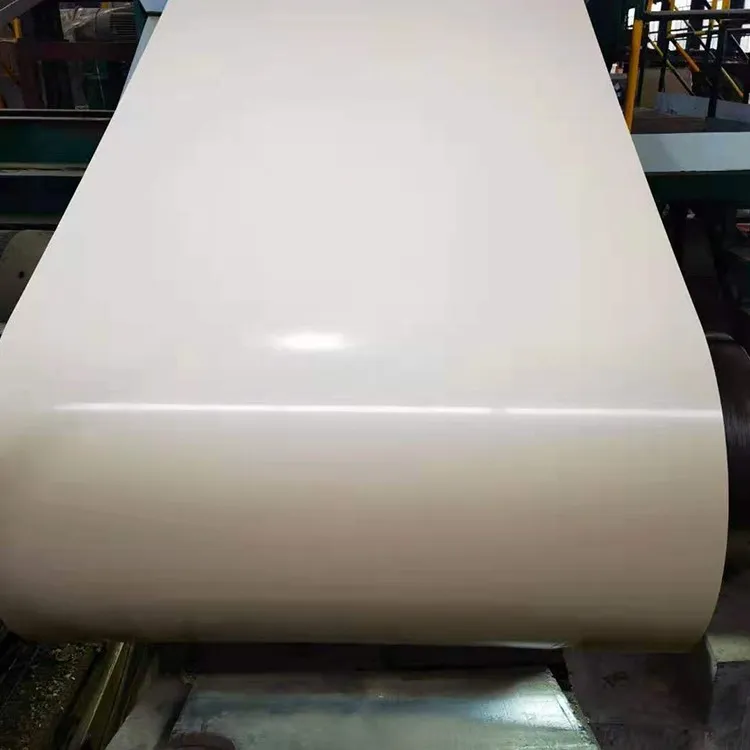
4.What are the weaknesses of zinc-aluminum coatings?
Acids dissolve zinc plating: Even with micropores in the coating, acid penetration leads to rapid corrosion, loss of cathodic protection, and the generation of hydrogen gas, causing blistering.
Alkalis corrode aluminum-zinc plating: Aluminum, in particular, reacts in alkaline environments.
Cut edges and damaged areas are critical weaknesses: Any cut exposes the sensitive metal plating directly to acidic or alkaline environments, causing rapid and widespread corrosion. All cuts must be rigorously sealed with acid- and alkali-resistant sealants or specialized coatings.
5.What are the options and suggestions?
There is no universal lifespan: Don't ask "How long will it last?", but rather analyze "Which coating will last longer in a specific environment?"
Material selection is fundamental:
In environments where acid or alkali contamination is possible, PVDF fluorocarbon coatings are the only worthwhile option.
Explicitly exclude common coatings such as PE.
Design is key:
Avoid using color-coated steel sheets on structures where acid or alkali liquids may accumulate.
Design adequate ventilation and exhaust systems for acid and alkali vapors.
Protection is essential:
100% sealing and corrosion protection for all machined cuts and drilled holes is a detail that determines success or failure.
Establish a regular cleaning and maintenance system to promptly flush away surface contaminants.