


1.How do sensory and visual screening methods work?
Spectral Spark Analysis:
Principle: Different materials have different carbon contents and alloying elements, resulting in different spark patterns when ground on a grinding wheel.
Operation: Experienced operators can quickly determine the type of material by observing the color, flow line length, and burst pattern of the spark.
Example: Low-carbon steel sparks are bundled, bright, and mostly primary or secondary sparks; high-carbon steel sparks burst intensely with many sparks; stainless steel sparks have short flow lines and are reddish.
Surface Oxidation and Color:
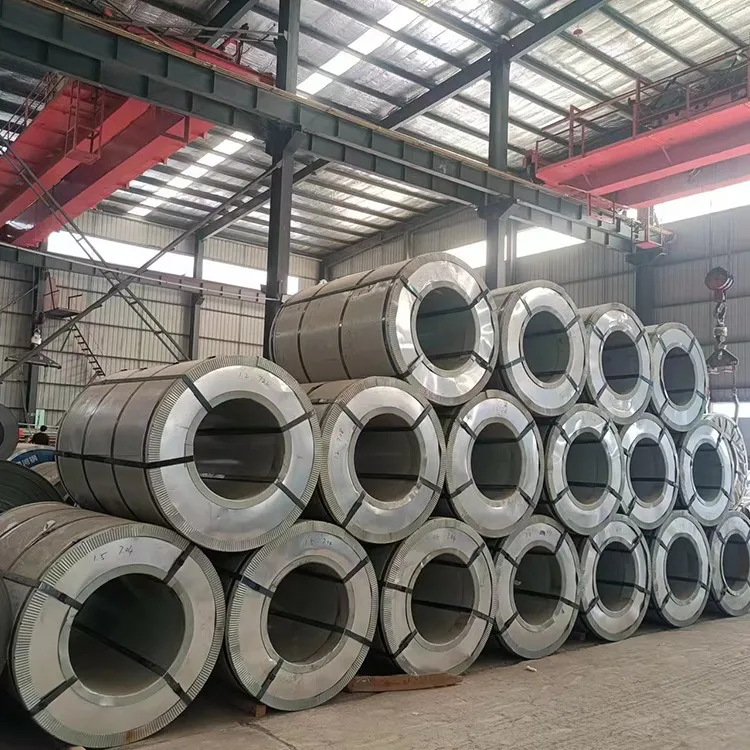
Although cold-rolled coils are usually silver-gray, if hot-rolled coils (with iron oxide scale) or pickled coils (with different surface roughness) are mixed in, preliminary screening can be done visually.
Some special materials (such as electrical steel with high silicon content) may exhibit a specific dark gray color.
Sound Analysis:
The crispness of the sound produced by tapping the steel coil or plate can aid in identification. However, this method requires a high level of experience and is easily affected by the thickness of the sheet material; it should only be used as a supplementary method.
2.How does a portable on-site testing method work?
Handheld Spectrometer/Alloy Analyzer:
Advantages: This is the gold standard for identifying mixed materials. Even minute differences in alloying elements (such as the presence of Ti in stainless steel or micro-alloying elements in automotive steel sheets) can be detected instantly.
Identification Range: The instrument can detect any difference in the chemical composition of two pieces of steel (even a 0.1% difference in manganese content).
Coating and Phosphating Differences:
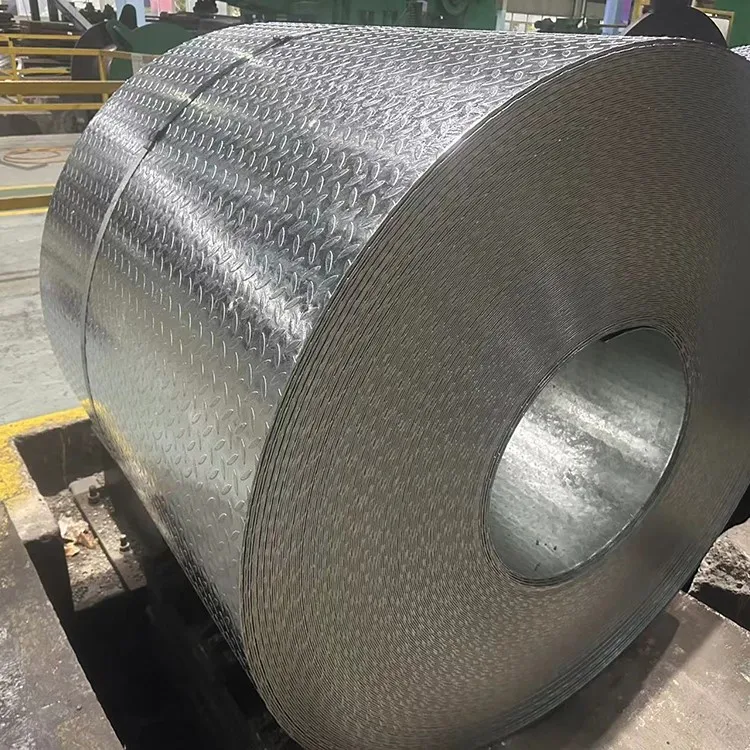
If galvanized, aluminized, or electro-galvanized steel is mixed in, its surface color and gloss will be significantly different from ordinary cold-rolled steel, easily distinguishable by visual inspection. If the difference is not obvious enough, a drop of copper sulfate solution can be applied; the galvanized layer will react and turn black, while the cold-rolled steel will not.
3.How to test mechanical properties and hardness?
Portable Hardness Tester:
Operation: Use a Leeb or Webster hardness tester to test the hardness of the steel coil.
Judgment:
Fully Hardened/Rolled Hardened Coil: Extremely high hardness (e.g., HRB > 90, even reaching HRC hardness).
Annealed Coil: Lower hardness (e.g., ordinary deep-drawing steel DC04, HRB is typically around 40-50).
If the mixture causes a hardness difference exceeding 20 HRB, it is easily identified by the hardness tester.
Bending Test:
Take a small sample on-site and bend it 90° manually or in a vise.
If it is deep-drawing grade cold-rolled sheet (e.g., IF steel), there will be no cracks and minimal springback after bending.
If it is structural steel (e.g., S50C medium carbon steel) or unannealed rolled hardened coil, it will break directly or spring back extremely quickly when bent.
4.How do chemical analysis methods detect this?
Infrared carbon-sulfur analysis: Precisely determines carbon and sulfur content. This is the most reliable method for distinguishing between low-carbon steel, ultra-low-carbon steel (such as IF steel), and medium- to high-carbon steel.
Spark direct-reading spectrometer: Performs point-to-point excitation on samples in the laboratory to obtain a complete alloy composition report.
5.How does microscopic tissue identification method detect this?
Sample Preparation and Observation: After mounting, grinding, polishing, and etching, the sample is observed under a metallographic microscope.
Identification Points:
Grain Size: Normally annealed coils have uniform grains; if over-aged or under-aged coils are mixed in, the grains may be of varying sizes or have abnormal structures.
Inclusions or Banding: Excessively high levels of banding in certain special steel grades can also indicate different origins.