


1.What is the basic process for quick acceptance of cold-rolled coils upon arrival?
An efficient acceptance process can be divided into four core steps, helping you identify most problems in the shortest possible time.
**Document Verification:** First, check the quality certificate provided by the supplier to confirm that key information such as product batch number, specifications, weight, and chemical composition matches the contract.
**Packaging and Appearance Inspection:** Visually inspect the packaging materials (such as moisture-proof paper) of the steel coils for integrity and damage. Also check the outer surface of the steel coils for obvious damage such as rust, dents, and deformation.
**Dimensional and Weight Verification:** Use tools such as a tape measure and calipers to randomly check the thickness, width, and other key dimensions of the steel coils. Verify the weight of the steel coils by weighing or measuring to ensure it is within the allowable deviation range.
**Uncoiling and Spot Check (In-depth Inspection):** For batches with doubts or those subject to spot checks, uncoil the coils to inspect the surface quality of the inner ring of the steel strip, checking for defects such as indentations, roller marks, and scratches that could affect subsequent use.
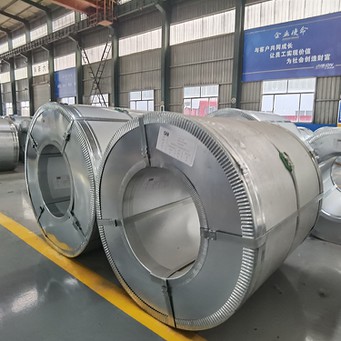
2.How to conduct a quick inspection of the appearance and packaging of cold-rolled coils?
Appearance and packaging inspection is the first and most direct step in acceptance testing, effectively preventing damage caused by improper transportation or storage.
Inspection Items | Inspection Points | Judgment Criteria/Risk Warnings
📦 Packaging | Check if the moisture-proof paper, strapping, etc., are intact. Damaged packaging may cause the steel coil to become damp, rust, or suffer physical damage during transportation, and should be considered unqualified.
🔖 Labeling | Verify that the label information on the steel coil (such as grade, specifications, batch number) matches the quality certificate. Inconsistent information may lead to misuse of materials, affecting product quality and project safety.
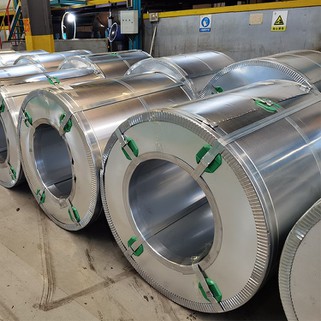
3.How to Quickly Verify the Dimensions and Weight of Cold-Rolled Coils?
Verifying the dimensions and weight is crucial for determining whether the cold-rolled coils match the specifications.
Dimensional Inspection: This is the primary inspection item. Use calipers, micrometers, or ultrasonic thickness gauges to measure the thickness and width of the steel coil. The measurement results need to be compared with the specifications agreed upon in the purchase contract and the allowable deviation range specified in relevant national standards (such as GB/T 708-2019).
Weight Verification: Weigh the steel coil using equipment such as a weighbridge to verify that the actual weight matches the delivery note.
Other Shape Inspections: For leveled plates, use a steel tape measure and right-angle ruler to randomly check their length and diagonals to prevent skewing caused by problems such as "sickle bends."
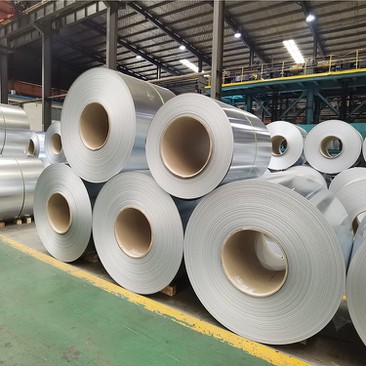
4.What key quality certification documents must be checked during acceptance testing?
Checking quality certification documents is a legally mandated step to ensure material traceability and quality assurance. The following are the key documents that must be verified:
**Quality Certificate (or Product Certificate):** This is the most important document. It must be issued by the manufacturer's quality control department and should include complete information such as product specifications, batch number, grade, chemical composition, and mechanical properties.
**Purchase Contract/Order:** As a verification benchmark, the grade, specifications, dimensional tolerances, surface quality level, etc., stipulated in the document are the final basis for determining whether the material is qualified.
**Third-Party Inspection Report:** If stipulated in the contract, the supplier must provide a valid inspection report issued by a nationally accredited testing institution.
**Shipping Bill and Packing List:** Verify that the number of rolls, weight, and other information received match the documents to ensure nothing is missing.
5.What are the common defects in cold-rolled coils? How to quickly record them during acceptance?
Understanding common defects helps in quickly identifying problems, and detailed records are crucial for subsequent rights protection.
🔴 Quick Reference for Common Defects:
Surface Defects: Rust (caused by rain leakage during storage or water contamination during transportation), foreign object indentation (particles pressed into the steel plate surface during production), scratches/abrasions, roll marks/indentations, wrinkles (especially at the beginning and end), delamination/peeling/cracks/bubbles, etc.
Shape Defects: Edge waviness/center waviness (poor plate shape), camber (longitudinal bending).
📝 Recording Points: When a problem is found, the following should be recorded:
Photos/Videos: Take clear photos or videos of the defective area from multiple angles as the most direct evidence.
Marking Location: Use chalk or a marker to mark the approximate location, shape, and extent of the defect on the outer ring of the steel coil.