


1.What are the standard requirements for packaging and securing cold-rolled coils when they leave the factory?
The core principle is: neat packaging and secure bundling to ensure that the packages do not loosen under normal transportation conditions.

2.How are cold-rolled coils secured on transport vehicles? What are the main reinforcing materials used?
Railway Transportation – Dedicated Frame Fixing
Using a multi-position steel coil transport frame: This frame consists of a base and at least two supporting bodies, with V-shaped steel coil slots formed between adjacent supports. The steel coil is directly placed into the slots and secured by its own weight, requiring no other reinforcement devices. Loading and unloading are convenient, safe, and reliable.
The frame is reusable, significantly reducing reinforcement material consumption and labor costs compared to the traditional "steel guard plate + concave straw mat + steel wire rope" method.
Road/Container Transportation – Wedge Wood + Steel Wire Rope Fixing
Bottom Fixing: Wedge wood stakes are used as a fixed base at the bottom of the container to support the steel coil. The square timber should be in perpendicular contact with the bottom crossbeams and should span as many bottom crossbeams as possible to distribute the force.
Lateral Binding: The steel coil is bound to the vehicle sidewall locks with steel wire ropes to prevent impact caused by swaying during transportation.
End Protection: If necessary, wooden boards are used to reinforce the container doorway or the inside of the container to prevent the steel coil from sliding along its length.

3.What are the specific requirements for protective materials used on steel coils during transport and securing?
Protective materials include corner protectors, cladding panels, wooden brackets, etc., each component having a specific function.
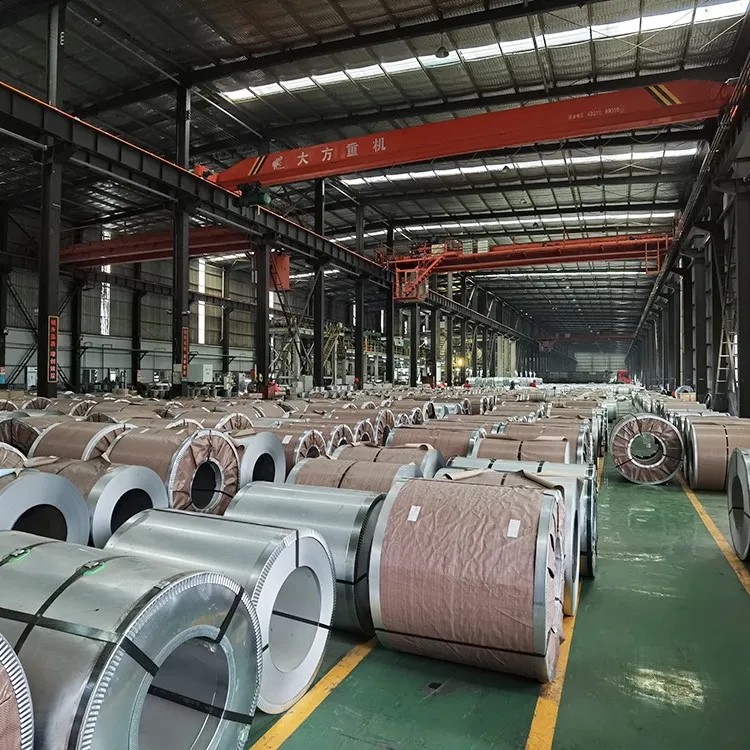
4.Are there differences in the fixed requirements for different modes of transportation (road, rail, waterway)?
Road transport requires the use of specialized V-shaped groove vehicles ("roller wagons") or flatbed trucks with triangular blocks. Sudden braking and turning pose high risks; steel cables must be crisscrossed during transport, and vertical transport is strictly prohibited.
Railway transport utilizes multi-position transport frames made of coiled steel, secured with embedded V-shaped slots, requiring no additional reinforcement and offering high loading and unloading efficiency; it is compliant with the "Railway Cargo Loading and Reinforcement Rules".
5.How do you check if the fastening is in place before shipment? What are the acceptance criteria?
Implement a "three checks and one confirmation" system to ensure absolute safety.
Acceptance and Confirmation Process:
Before shipment, packaging personnel conduct a self-inspection and sign for confirmation.
Warehouse management personnel conduct random inspections; any non-conforming items require rework.
After loading/packing, the transporter and shipper jointly confirm the contents.
Photographs or video records are retained as evidence for tracing responsibility.