


1.What is the core reason?
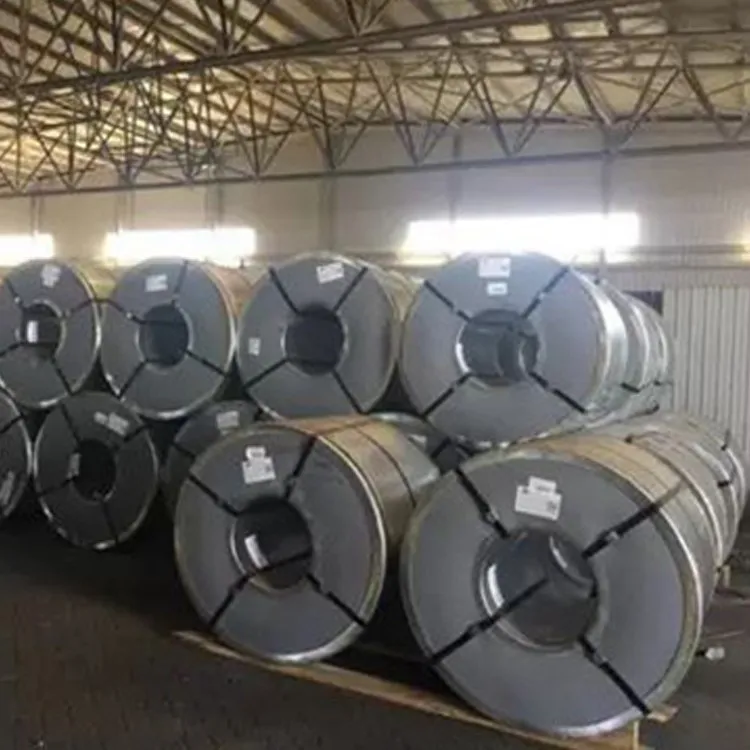
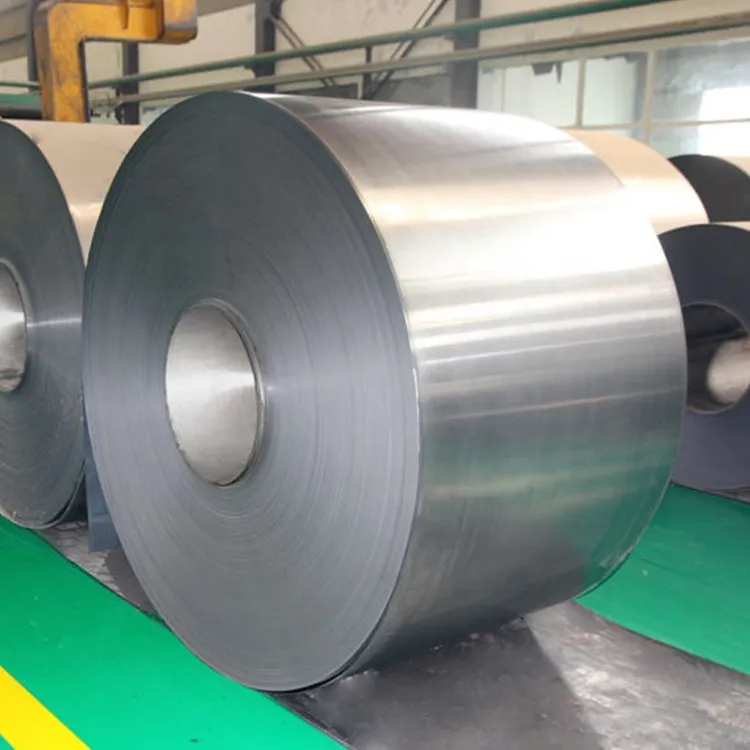
The base material for cold-rolled coils is usually low-carbon steel (such as SPCC, DC01, etc.), whose main component is iron (Fe). Iron is chemically reactive and readily reacts with acids and alkalis.
2.How is its corrosion resistance in acidic environments?
Corrosion Mechanism: Hydrogen ions (H⁺) in the acid undergo a displacement reaction with iron, producing hydrogen gas (H₂) and soluble iron salts. This is a rapid and continuous process.
Manifestations:
Dilute Acids: Even dilute sulfuric acid and dilute hydrochloric acid will rapidly corrode the steel surface, producing a large number of bubbles, causing the steel to thin rapidly.
Oxidizing Acids: Concentrated nitric acid, at certain concentrations, can "passivate" the iron surface, forming a dense oxide film that temporarily prevents further corrosion. However, this passivation film is unstable and will quickly fail under changing conditions (such as a decrease in concentration or an increase in temperature), potentially exacerbating localized corrosion.
Conclusion: It is absolutely forbidden to use unprotected cold-rolled coils directly in any acidic media (such as pickling solutions, chemical acid mists, acidic soils, and acid rain formed from sulfur-containing waste gas).

3.How is the corrosion resistance in an alkaline environment?
Corrosion Mechanism: At room temperature, dilute alkaline solutions (such as sodium hydroxide and potassium hydroxide solutions) react with the oxide film on the iron surface to form relatively insoluble ferrous hydroxide, which corrodes steel much more slowly than acids. Iron also forms a passivation film in concentrated alkali.
Manifestations:
Dilute alkaline solutions: Corrosion is slow at room temperature and low concentrations, and short-term contact is acceptable. However, as temperature and concentration increase, the corrosion rate accelerates significantly, especially when the alkaline solution can destroy the passivation film on the steel surface.
Stress Corrosion Cracking Risk: Carbon steel faces the risk of "alkali embrittlement" in hot concentrated alkaline solutions (e.g., >50°C, concentration >30% NaOH), i.e., brittle cracking occurs under the combined action of tensile stress and the corrosive medium, which is extremely dangerous.
Conclusion: It can be used in weak alkaline environments at room temperature, low concentration, and for short periods, but long-term use is not recommended. Protective measures are necessary for any industrial alkaline environment.
4.What is the difference between rust caused by improper storage and rusting?
Rusting (atmospheric corrosion): Primarily electrochemical corrosion, requiring water and oxygen, and relatively slow.
Acid-base corrosion: A direct chemical reaction, usually faster and more destructive, especially in acids.
5.How to make cold-rolled coils resistant to acids and alkalis?
Metal Coatings:
Hot-dip galvanizing: Zinc layers corrode in both acids and alkalis, but in neutral or weakly acidic environments, zinc's sacrificial anodic protection can protect the base steel. Not suitable for strong acids and alkalis.
Electro-galvanized/zinc-nickel alloy: Better corrosion resistance than pure zinc plating; suitable for some milder environments.
Chromium plating: Decorative chrome plating is wear-resistant and aesthetically pleasing but has many micropores; hard chrome plating is dense. Hard chrome has good corrosion resistance to many acids (except hydrochloric acid) and alkalis at room temperature and is a commonly used corrosion-resistant coating.
Tin plating: Primarily used for food packaging; resistant to weak organic acids.
Chemical Conversion Coatings:
Phosphating: Improves coating adhesion and short-term rust prevention; itself has almost no acid or alkali resistance.
Passivation: Significant for stainless steel, but limited effect on carbon steel.
Organic Coatings:
Spraying epoxy, polyurethane, fluorocarbon, etc. coatings: This is the most common and economical method. By selecting different coating systems (such as epoxy zinc-rich primer + epoxy micaceous iron oxide intermediate coat + fluorocarbon topcoat), long-lasting anti-corrosion solutions can be designed for specific acid and alkaline environments. The coating acts as a perfect physical barrier.