


1.What is displacement-type rust inhibitor? What is its core function?
Displacement-type rust-preventive oil is a special type of rust-preventive oil with surface displacement function. Its core function is to "replace" trace amounts of moisture, sweat, residual processing fluid, and other contaminants from the metal surface, while simultaneously forming a dense rust-preventive film. This prevents cold-rolled coils from rusting due to moisture, hand sweat, etc., during storage or transportation. It is particularly suitable for rust prevention treatment of cold-rolled coils between processes or before finished product storage.
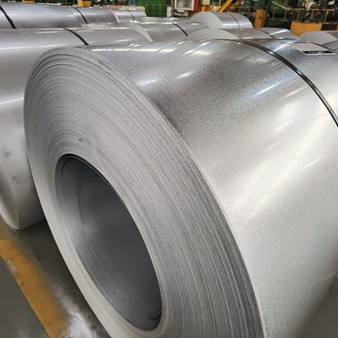
2.Why is it particularly necessary to use displacement-type rust-preventive oil for cold-rolled coils?
After rolling, annealing, and leveling processes, cold-rolled coils may have residual rolling fluid, moisture, and fingerprints (salt) on their surface. These contaminants can easily cause pitting corrosion or rust in humid environments. Ordinary rust-preventive oils, if they lack displacement capabilities, may actually seal the moisture in the metal surface, accelerating localized corrosion. Displacement-type rust-preventive oils actively remove these contaminants, ensuring reliable rust prevention.
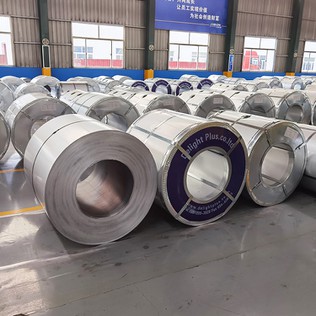
3.In which stages of cold-rolled coil processing is replacement-type rust inhibitor used?
Inter-process rust prevention – such as after pickling or during temporary storage after rolling, to prevent short-term rusting;
Finished product storage – spraying or coating before coiling and packaging for long-term sea transport or warehousing;
Touch-up treatment – when the surface of cold-rolled coils is locally contaminated with water or early rust spots appear, use a replacement-type rust-preventive oil for localized replacement and repair.
4.What is the main difference between it and ordinary rust-preventive oil?
Ordinary rust-preventive oil: Relies on an oil film to isolate air. If there is even a trace of moisture on the metal surface, the oil film will actually seal it off, leading to "rust under the film."
Displacement-type rust-preventive oil: Contains polar surfactants that can adsorb onto the metal surface and "replace" moisture, causing water molecules to detach from the metal and disperse into the oil or evaporate, subsequently forming a strong protective film for more reliable rust prevention.
5.What are the key points to pay attention to when using replacement-type rust inhibitors?
Surface pretreatment – Although it has displacement capabilities, large amounts of water or severe stains still need to be removed first; Uniform coverage – Ensure a continuous oil film without any omissions, especially on edges, welds, and other easily rusted areas; Compatibility with subsequent processes – If the cold-rolled coil requires subsequent welding, painting, or annealing, choose a model that is easy to clean or leaves no residue after annealing; Storage environment – Avoid prolonged exposure to highly corrosive atmospheres after oiling, and periodically check the rust-preventive effect.