


1. What is the most common welding method for galvanized coils?
A. The most common welding method for galvanized coils is gas metal arc welding (MIG/MAG welding), especially when using solid or flux-cored welding wire containing deoxidizing elements. This welding method is highly efficient and adaptable. With appropriate welding parameters and gas protection (such as argon or argon-rich mixtures), it can effectively reduce the interference of zinc vapor on the molten pool, resulting in a weld with stable quality.
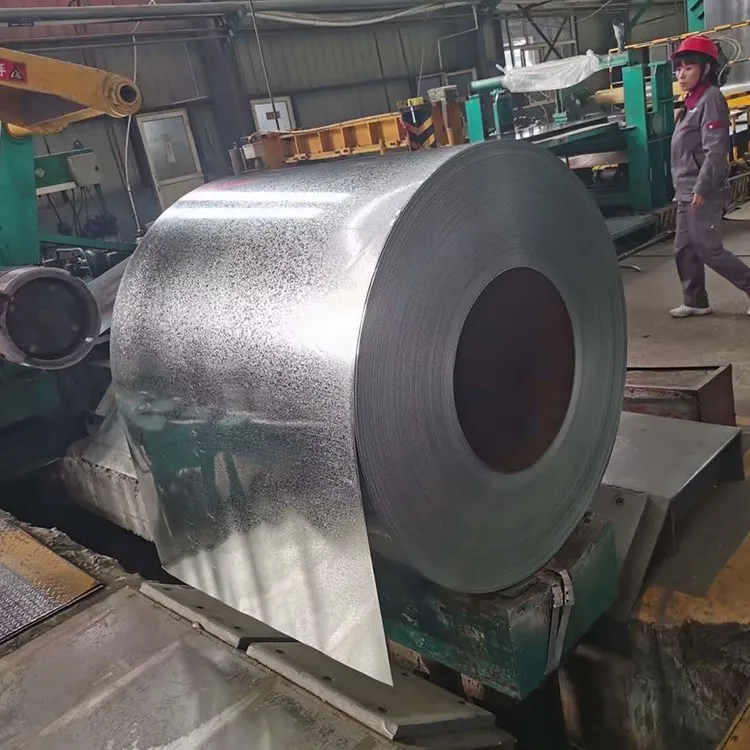
2. Why is it usually necessary to remove the zinc layer in the welding area before welding galvanized coils?
A: The melting point of zinc (approximately 419℃) is much lower than that of steel (approximately 1500℃). During welding, the zinc layer melts first and then rapidly vaporizes, producing a large amount of zinc vapor. Zinc vapor not only easily causes porosity, spatter, and lack of fusion defects, but also oxidizes to form zinc oxide, contaminating the weld and reducing joint strength. Therefore, many welding methods (such as manual arc welding and non-pulsed MIG welding) use grinding or mechanical scraping to remove the zinc layer from the bevel and surrounding area (approximately 20-30mm) before welding to ensure weld quality.
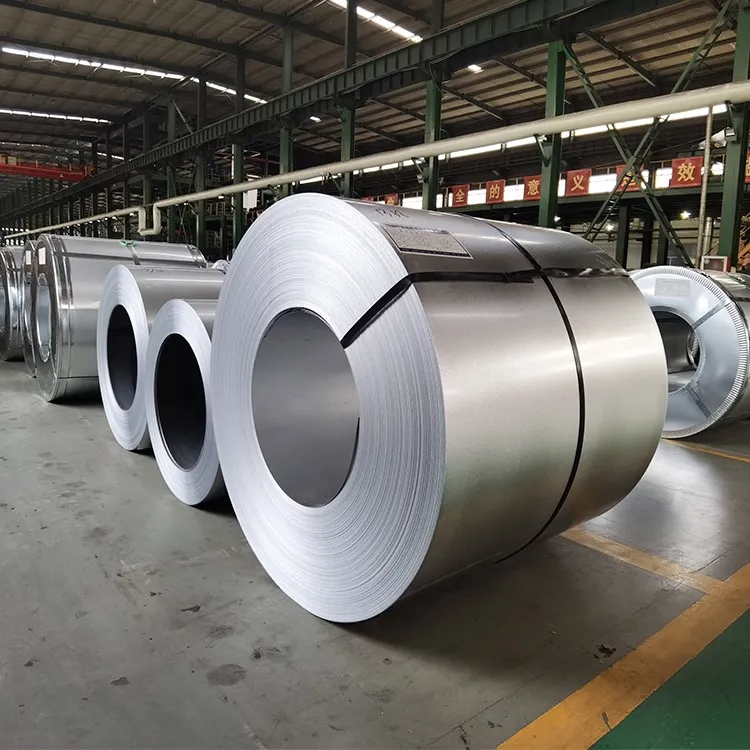
3. Besides MIG/MAG welding, what other welding methods are suitable for galvanized coils?
A: Commonly used methods include resistance spot welding and seam welding, suitable for thin plate lap structures. These methods are fast and do not require removing the zinc layer (but require increased electrode pressure and shorter welding time to remove zinc vapor). Secondly, brazing (such as flame brazing or induction brazing) uses filler metal with a melting point lower than zinc to achieve the connection, avoiding damage to the zinc layer. Additionally, laser welding, at high power density, can instantly evaporate localized zinc layers and create a keyhole effect, also suitable for galvanized coils, but it requires strict control over the workpiece assembly clearance.
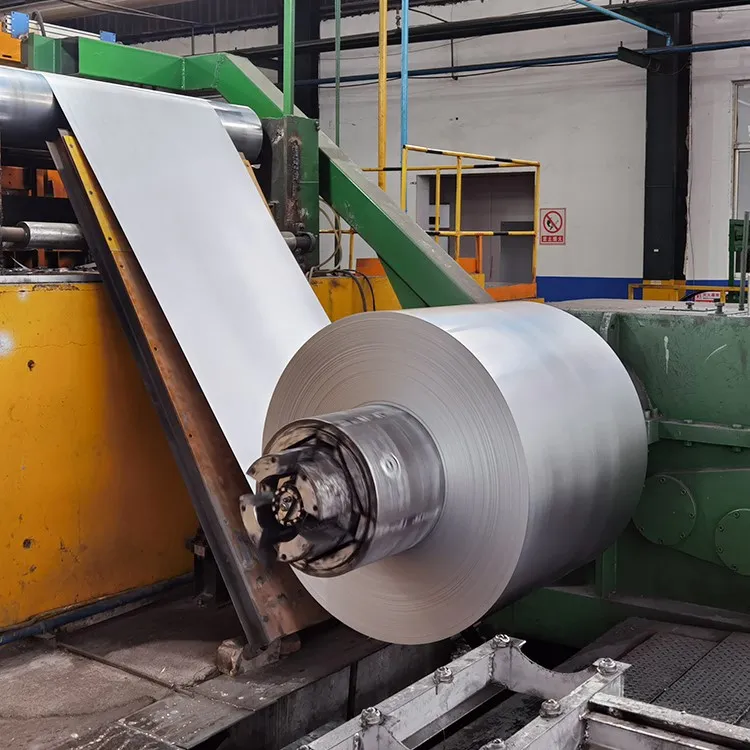
4. How to prevent porosity and cracks when welding galvanized coils?
A: The key to preventing porosity is controlling the escape path of zinc vapor: For gas shielded welding, use a pulsed mode, increase the shielding gas flow rate (e.g., 95% argon + 5% carbon dioxide), and maintain appropriate heat extension; for resistance welding, create venting grooves between electrodes or use electrodes with a serrated surface. Measures to prevent cracks (especially liquefaction cracks) include: using welding wire containing deoxidizing elements such as titanium and aluminum (e.g., ER70S-6), appropriately increasing the welding speed to reduce heat input, and preheating to 150-200℃ to reduce hardening tendency. If the zinc layer has been removed, the risk of cracking is significantly reduced.
5. What precautions should be taken when laser welding galvanized coils?
A: The most important thing to pay attention to when laser welding galvanized coils is controlling the exhaust of zinc vapor. Because the laser energy is shielded above the small holes formed by deep penetration laser welding, excessive zinc vapor that cannot escape in time can lead to weld porosity or spatter. Solutions include: intentionally leaving a 0.1-0.3mm assembly gap in the lap joint to allow zinc vapor to escape; or using dual-beam laser welding (one beam for preheating and evaporating the zinc layer, and the other for welding). In addition, a large protective gas nozzle should be used to purge zinc vapor laterally, and the focusing position should be strictly controlled to prevent zinc layer ablation and contamination of the optical lenses.