


1.What are the overall ventilation requirements for the main plant building?
Natural ventilation is the preferred method of heat dissipation. Organized natural ventilation (such as skylights) is the most economical and effective way to dissipate heat.
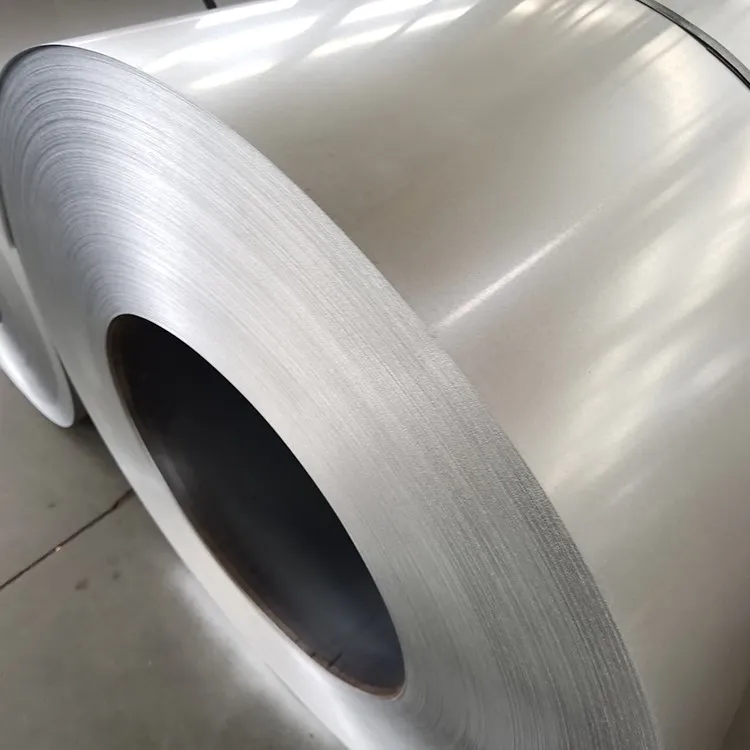
2.What are the ventilation requirements for pickling tanks, rolling mills, leveling machines, and annealing furnace water quenching devices?
Local exhaust ventilation.
Units that generate heat, moisture, or harmful gases must be equipped with local exhaust ventilation systems to capture pollutants at the source.
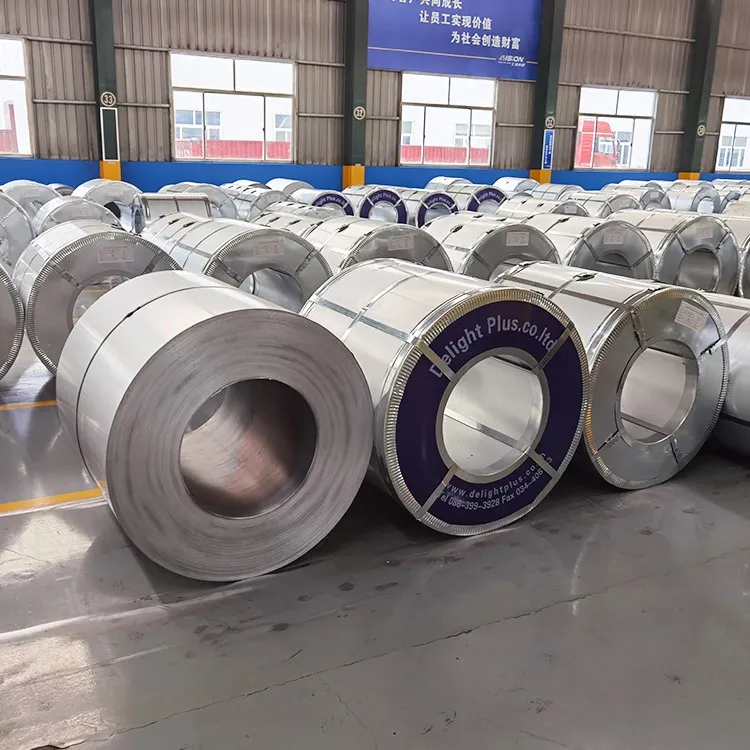
3.What are the ventilation requirements for areas where there is a possibility of sudden leakage of explosive gases?
Emergency ventilation: Air exchange rate ≥ 12 times/hour, and the switch must be located in an easily accessible indoor or outdoor location.
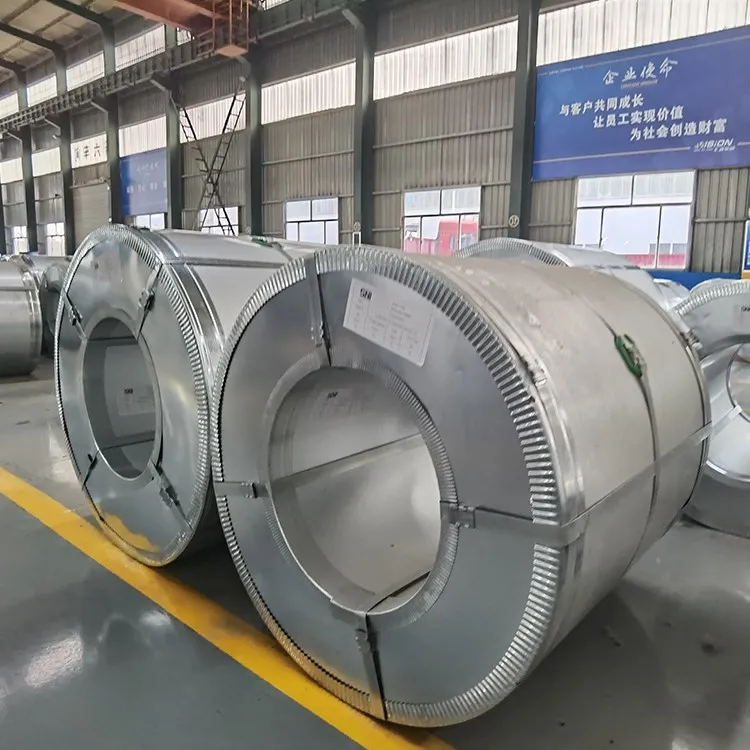
4.What are the ventilation requirements for electrical rooms, control rooms, and high-temperature work areas?
Air conditioning and air supply: Precision areas such as electrical rooms require air conditioning to ensure equipment operation; high-temperature work areas (radiation intensity >350W/m²) require local air supply for cooling.
5.What are the ventilation guidelines for each key area?
Pickling and plating areas: All pickling tanks, alkaline washing tanks, electroplating tanks, their circulating tanks, and pits must be equipped with acid mist or alkaline mist extraction and purification systems; direct discharge is prohibited. Chromium-containing wastewater equalization tanks must also be covered and sealed, and exhaust gases must be collected and treated.
Rolling mill and leveling machine areas: The rolling process generates a large amount of emulsion oil mist, requiring an oil mist extraction and purification system. During dry leveling, a dust extraction system is necessary.
Underground oil depots and cable tunnels: These areas have poor ventilation and high fire risk, requiring mechanical ventilation systems. Where ductwork passes through firewalls or floors, fire dampers with automatic closing and signal feedback must be installed.
Coating processes: Due to the use of flammable solvents, areas with equipment such as glue applicators must, in addition to ventilation, be equipped with devices to eliminate static electricity buildup to prevent fires or explosions caused by static sparks.