


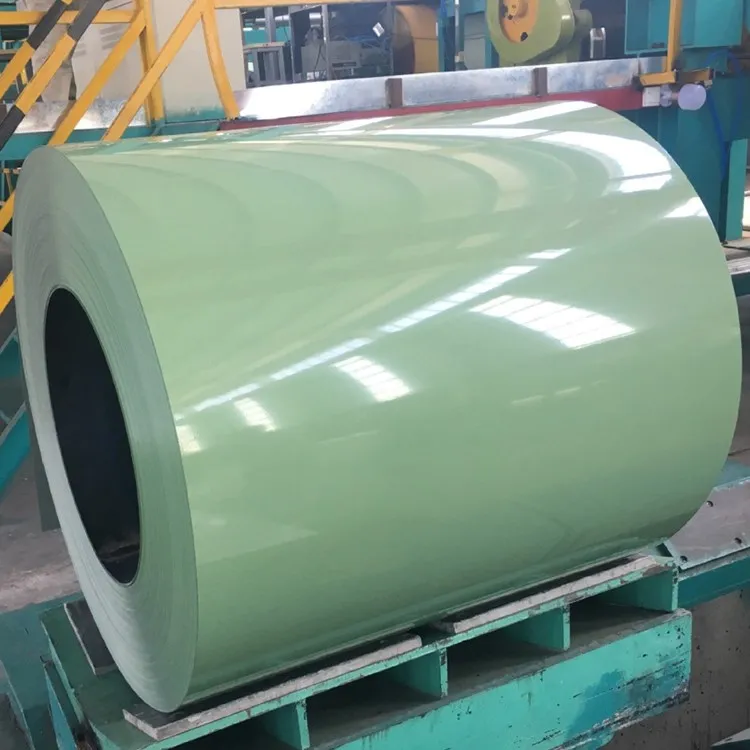
1.What effect does the roller coating process have on color uniformity?
Coating method (forward coating vs reverse coating): Reverse coating: The coating roller turns in the opposite direction of the strip running.
Advantages: Thinner and more uniform coating, small fluctuation of wet film thickness, can effectively reduce longitudinal stripes ("roller marks"), smooth and delicate surface, and optimal color uniformity.
Application: High-precision topcoat coating (especially light-colored, high-gloss, metallic paint and other products that are sensitive to uniformity).
Forward coating: The coating roller turns in the same direction as the strip running.
Disadvantages: The coating is thicker and is prone to obvious roller marks. The thickness uniformity is relatively poor, which may cause light and dark stripes or color differences visible to the naked eye.
Application: Primer or thick coating with low surface requirements.
Roller accuracy and status: Roller concentricity/runout: Roller processing or installation deviation will cause periodic coating thickness changes, forming "horizontal stripes" (perpendicular to the running direction).
Roller surface status: Wear, scratches, and contamination (dry paint, impurities) will be directly copied to the coating surface, causing dot-shaped, line-shaped or flaky spots.
Solution: Grind/replace the roller regularly and strictly clean and maintain it.
Coating weight control: Parameter adjustment: Maintain a constant coating weight by precisely controlling the gap between rollers, pressure, speed ratio, and coating viscosity.
Fluctuation effect: Fluctuation in coating weight can lead to differences in film thickness, which in turn affects:
Hiding power: Thin film areas may show through the bottom (primer or substrate color is revealed).
Color saturation/brightness: Differences in film thickness cause different shades of color (especially for transparent/translucent pigments).
Metal/pearlescent orientation: Variations in film thickness affect the alignment consistency of effect pigments, resulting in uneven flashing or color difference.
2.How does the pre-treatment (chemical conversion) process affect color uniformity?
Uneven cleanliness: Incomplete degreasing or insufficient water washing, residual grease or impurities will lead to poor adhesion of local coating, resulting in "shrinkage holes" or "fish eyes", destroying color continuity.
Uneven conversion film: Uneven concentration, temperature, spraying/immersion of treatment liquid, or residual moisture on the surface of the strip will lead to inconsistent thickness/crystallinity of the conversion film: The adhesion is weak in the thin film, and the coating is easy to peel off locally (exposing the bottom). The thick film may change the reflective properties of the bottom layer and affect the color of the topcoat.
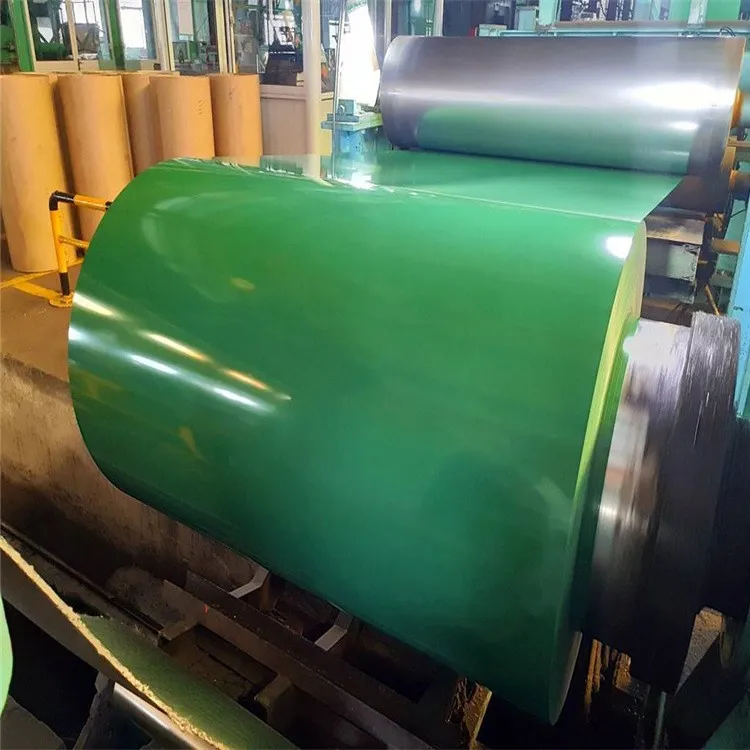
3.How does the curing process affect color stability?
Temperature uniformity: Horizontal temperature difference: Uneven temperature on the left and right sides of the curing furnace will cause different curing degrees on both sides of the strip: Under-cured area: The coating has low hardness and poor weather resistance, the pigment is not fully stabilized, and the color is easy to change over time (color difference with the normal area). Over-cured area: Excessive cross-linking of the resin may cause yellowing (especially white and light colors), or pigment decomposition and discoloration.
Longitudinal fluctuation: Unstable furnace temperature control or fluctuating strip speed leads to inconsistent PMT (peak metal temperature), which also causes differences in curing degree and color difference.
Curing time: The strip does not stay in the effective reaction zone for enough time, and the pigment is not fully melted/dispersed (especially metallic paint), affecting color uniformity and gloss consistency.
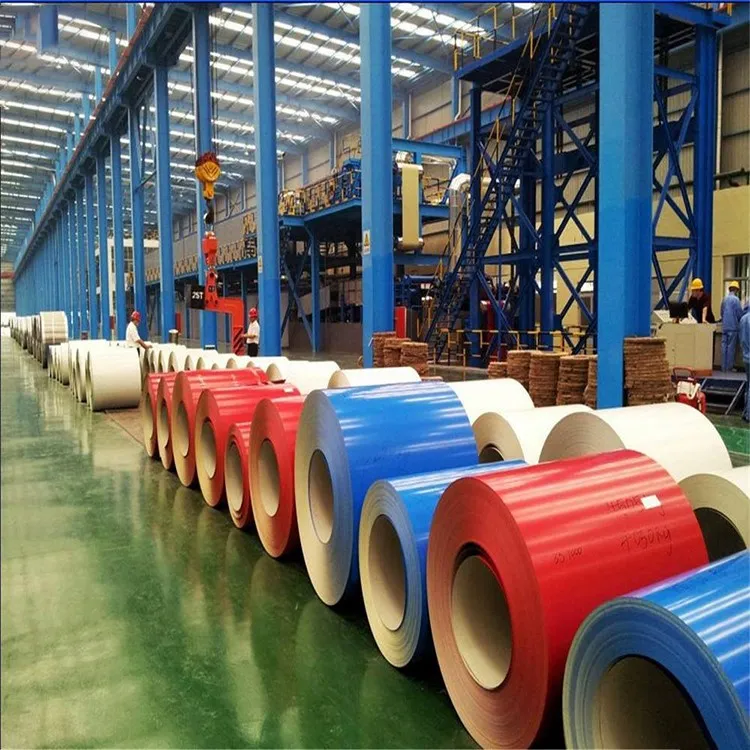
4.How to choose coating properties and process suitability?
Leveling: Paints with poor leveling properties are difficult to eliminate tiny ripples after roller coating, and form "orange peel" after curing, resulting in uneven gloss and color. Process optimization: Adjust the solvent evaporation rate and increase the coating temperature (preheating) to improve leveling.
Solvent release: Evaporation too quickly can easily cause "Benard Cells" and form zebra patterns; too slow can easily cause sagging and destroy uniformity.
Pigment dispersion stability: Pigment sedimentation and flocculation during production or storage lead to uneven concentrations in the upper and lower layers of the paint. If used without sufficient stirring, it will cause color differences within or between rolls.
5.How do environment and equipment affect color uniformity?
Cleanliness of the workshop: Dust in the air falls on the wet film to form "particles", which become raised points after solidification, destroying the flatness and color consistency.
Static control: Static electricity is easy to absorb dust during high-speed operation, and an ion wind bar is required to eliminate static electricity. Tension fluctuation: Unstable tension of the production line will cause the strip to shake slightly, causing the coating to have lateral thickness fluctuations.