


1. Question: What types of lifting tools are mainly used for lifting cold-rolled coils? What are their respective applications?
Answer: Depending on the placement direction of the coil (horizontal or vertical) and the lifting scenario, the following types of lifting tools are mainly used for lifting cold-rolled coils:
(1) C-type hook/C-type lifting tool – the first choice for horizontal coil lifting
The C-type lifting tool is named for its resemblance to the letter "C" and is the most commonly used tool for horizontal lifting of cold-rolled coils. It consists of two parts:
Lifting body: Made of high-quality low-alloy steel or 42CrMo alloy steel, with a box-shaped cross-section, possessing good bending and torsional resistance.
Counterweight: Used to adjust the balance of the lifting tool, keeping the center of gravity of the lifting tool and the object being lifted on the same line.
Counterweight: Used to adjust the balance of the lifting device, ensuring the center of gravity of the device and the lifted object are aligned.
C-type lifting devices are widely used in steel mills, ports, logistics warehouses, automobile manufacturing, and other applications. The load range is typically 5-50 tons, and they are suitable for coil diameters of 300mm-2500mm.
(2) Lifting slings – a lightweight and flexible auxiliary solution
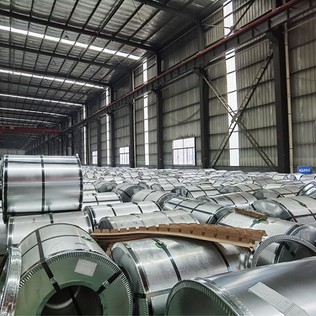
Cold-rolled coils weighing 20 tons or less can be lifted using flexible lifting slings. When using them, the slings are passed through the inner hole of the coil drum before lifting. The advantages of lifting slings are their lightweight and low cost; however, it is important to install corner protectors at the edges of the steel coil to prevent wear and tear on the slings.
2. Q: How to select the appropriate lifting equipment based on the specifications of cold-rolled coils?
A: When selecting lifting equipment, it is necessary to comprehensively consider the weight, size, placement method, and usage scenario of the steel coil. Specifically, the following steps can be taken:
Step 1: Determine the lifting method
Step 2: Verify Load Capacity
The rated load of the lifting device must be greater than the weight of the steel coil, and the safety factor should meet national standards. High-quality C-type hooks typically have a safety factor of 4:1 (i.e., the maximum load capacity is 4 times the rated load).
Step 3: Match Steel Coil Size
When selecting a lifting device, confirm the following dimensional parameters:
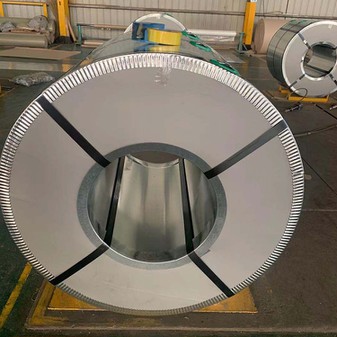
Coil Diameter Range: The lifting device must be compatible with the inner and outer diameters of the steel coil.
Coil Width: Ensure the clamping width of the lifting device is sufficient.
Lifting Device Opening Size: Should be greater than the outer diameter of the steel coil.
3. Question: How to protect the surface of cold-rolled coils from damage during the use of C-type lifting slings?
Answer: Cold-rolled coils have high requirements for surface quality, especially precision cold-rolled coils and stainless steel coils. Effective protective measures must be taken during lifting. Common protective designs include:
(1) Contact surface protection materials
A protective layer is installed at the contact point between the lifting sling and the lifted object. Commonly used materials include:
Rubber sheet: Good elasticity, suitable for general protection
Nylon sheet: Good wear resistance, suitable for frequent operations
Aluminum sheet: Moderate hardness, suitable for high precision requirements
Polyurethane: Excellent overall performance
Rubber pad: Low cost, suitable for temporary protection
4. Q: How is the safety of cold-rolled coil hoisting guaranteed? What are the key requirements?
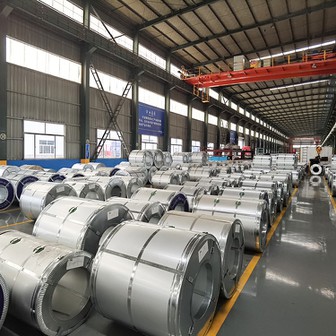
A: Cold-rolled coils are heavy, have smooth surfaces, and are prone to rolling, making hoisting operations high-risk and requiring extremely strict safety measures. The core safety requirements are as follows:
* **Material Strength:** High-strength alloy steel such as 42CrMo is used, with a tensile strength ≥1200MPa.
* **Safety Factor:** Meets national standard GB/T 25854 requirements, with a safety factor ≥4:1.
* **Non-destructive Testing:** Each hoisting set undergoes magnetic particle testing and load testing before leaving the factory to ensure no internal cracks.
* **Structural Stability:** The hoisting set adopts a box-section design, possessing excellent bending and torsional resistance.
5. Question: What are the precautions for the daily maintenance and storage of lifting gear?
Answer: Proper maintenance and storage can significantly extend the service life of lifting gear and ensure operational safety. The main precautions are as follows:
(1) Storage Requirements
After use, lifting gear must be placed on a dedicated rack and stored in a well-ventilated, dry, and clean factory area.
It should be kept by designated personnel and must not be stored in environments containing acids, alkalis, salts, chemical gases, or humidity.
It must not be stored in high-temperature areas.
(2) Rust Prevention and Maintenance
The surface of the lifting gear should be regularly protected against rust.
Regularly clean the dirt from rotating parts and apply lubricating oil to prevent dry friction and jamming.