


1.What are the core requirements for packaging and securing cold-rolled coils before sea transport?
Cold-rolled coils have extremely high requirements for moisture and impact protection.
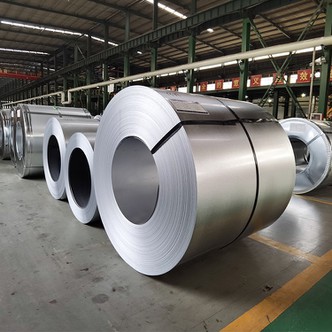
Packaging typically employs multiple layers of protection: rust-proof paper, plastic film, iron corner protectors, and circumferential/radial steel straps. For some exports, fumigated pallets or wooden pallets are also required.
When securing the coils, anti-slip rubber mats or wooden planks must be laid on the hold floor. The coil axis must be aligned with the bow and stern of the ship (for longitudinal loading). High-strength steel straps, chains, or lashing straps, along with wooden wedges and support frames, are used for reinforcement to prevent rolling or displacement during voyage.
2. How to prevent cold-rolled coils from rusting during sea transport?
Large temperature differences and high humidity during sea transport make corrosion one of the biggest risks.
The hold must be kept dry and clean. Before loading, check the bulkheads and bilges for any residual fresh or seawater and ensure good sealing.
The cargo itself should be wrapped with vapor phase rust inhibitor paper, and sufficient desiccant should be placed in the container or hold.
Avoid improper ventilation during the voyage-do not ventilate when the outside humidity is higher than the inside humidity; use dehumidifiers if necessary.
Avoid sharing the hold with salty goods (such as fertilizers or salt) or bulk cargo.
3. What operational details should be noted during loading, unloading, and stowage?
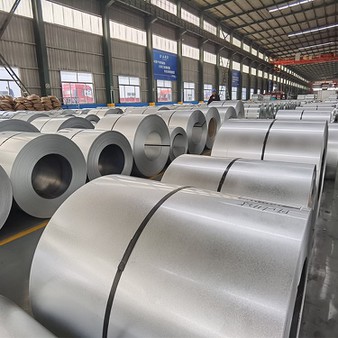
**Loading and unloading must be done using specialized C-type spreaders or hooks with rubber sheaths.** Direct contact between wire ropes and steel coils is strictly prohibited to avoid damaging the edges or packaging.
**During stowage, heavier coils should be placed at the bottom and lighter coils on top, and stacking should not exceed two layers (if stacking is necessary, thick wooden boards or special support frames must be placed between them).
**Sufficient clearance must be left between the steel coils and the bulkhead, and between the coils themselves, for lashing and inspection to prevent compression and deformation.**
**If using containers, use flat rack containers or open-top containers with bottom V-shaped brackets and lashing straps.** Ordinary containers are prone to damage or cargo displacement due to uneven stress.
4.What are the differences between transporting cold-rolled coils by bulk carriers and container ships?
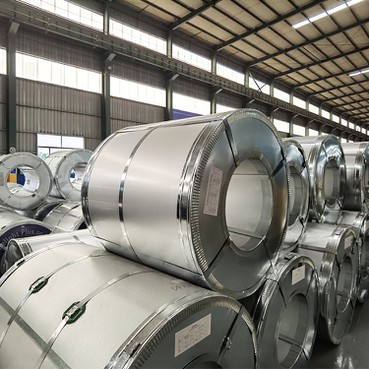
Bulk carriers (or general cargo ships): Suitable for large quantities of large-sized cold-rolled coils. Key considerations include the cleanliness of the hold, lashing methods, and watertightness. Onboard supervision of loading and unloading is possible. Costs are relatively controllable, but the risk of cargo damage is directly linked to the condition of the hold.
Container ships: Suitable for small to medium-sized batches of goods with high time and safety requirements. Using open-top or flat rack containers provides better protection and avoids cross-contamination, but improper lashing can still lead to displacement within the container. Freight costs are higher, but the transshipment process is more standardized.
Regardless of the method, the characteristics of the cargo should be clearly communicated to the shipping company in advance to avoid being assigned to a hold next to oil tanks, engine rooms, or areas prone to condensation.
5.What are some special considerations regarding documentation and insurance?
Documents: The bill of lading should specify "cold-rolled steel coils" along with their exact specifications, weight, and packaging method. If using flat rack containers or special stowage, a stowage plan must be submitted at the time of booking. The chief mate's receipt and tally report should clearly record the packaging condition, including any rust or damage, to avoid disputes upon arrival at the port.
Insurance: Due to the high value and fragility of cold-rolled coils, it is recommended to insure for all risks, with additional coverage for rust and breakage. For high-value coils, consider having a third-party inspection agency conduct a condition inspection before loading and issue a report as a basis for claims.
If rust or deformation is found at the port of destination, evidence should be collected immediately in conjunction with the shipping company, consignee, and inspection agency to avoid being deemed to have improperly stored the goods due to delays in handling.