


1.How does dust affect coatings?
Physical Scratches (The most significant and common hazard)
Abrasive Effect: Metal particles and grinding wheel debris generated during cutting, drilling, and sawing processes are much harder than the organic coating on the surface of the color-coated steel sheet. If these hard dust particles remain on the surface, they will scratch the coating surface like sandpaper during subsequent handling, stacking, and friction, creating fine scratches.
Consequences: Damages the coating's gloss and smoothness, affecting aesthetics. More seriously, if the scratches are deep enough to expose the metal substrate, they will form corrosion initiation points, significantly shortening the sheet's lifespan.
Chemical Corrosion
Active Metal Dust: Dust generated during the cutting of aluminum-magnesium alloys or other metals, if adhering to the surface of the color-coated steel sheet, may cause "galvanic corrosion" in humid environments. These active metal dust particles form galvanic cells with the steel substrate, accelerating corrosion at the cut or scratched areas of the color-coated steel sheet.
Corrosive Substances: Dust in some processing environments may contain chemicals such as acids, alkalis, and salts, which can directly corrode the coating.
Impact on Subsequent Processes and Functionality
Adhesion Issues: If dust residue remains on the board surface, it will severely affect the adhesion of adhesives or repair paints during on-site spraying repairs or sealing, leading to blistering and peeling.
Sealing Failure: During installation, dust at joints or overlaps will prevent the sealant strips or sealant from fully adhering to the board surface, resulting in water and air leaks.

2.What are the high-risk processes and steps?
Cutting: Sparks and high-temperature molten metal particles generated by abrasive wheel cutting (angle grinder) can easily embed in and burn coatings.
Sawing: Band saws and circular saws produce large amounts of metal shavings and abrasive particles.
Drilling: Produces spiral-shaped metal shavings with sharp edges.
Grinding/Trimming: Directly generates large amounts of abrasive and metal mixed dust, causing severe pollution to the surrounding area.
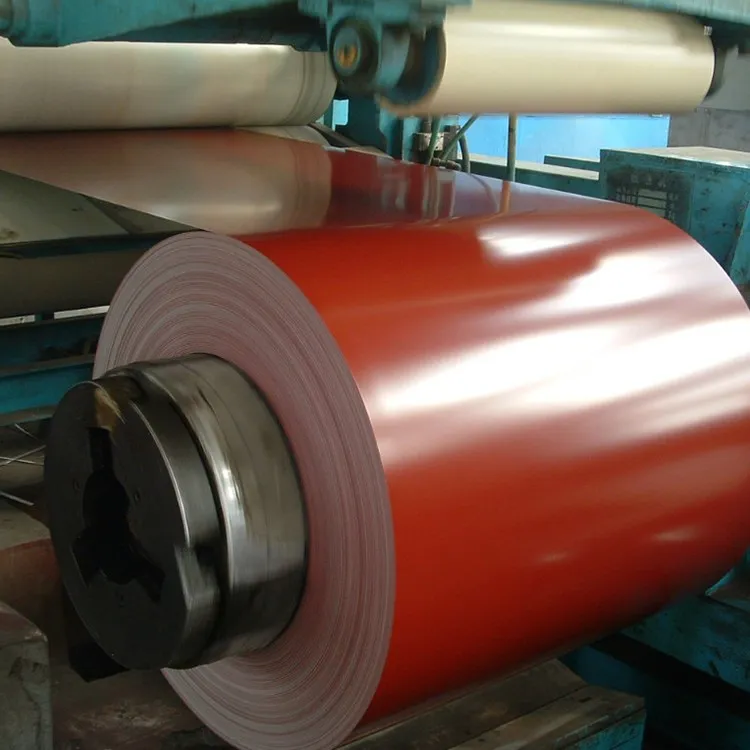
3.What are some low-risk but precautionary procedures?
Shearing: The resulting fine metal shavings can scratch the surface of the sheet.
Bending/rolling: This process typically does not directly generate dust, but contaminants on the rollers can indent the sheet surface.
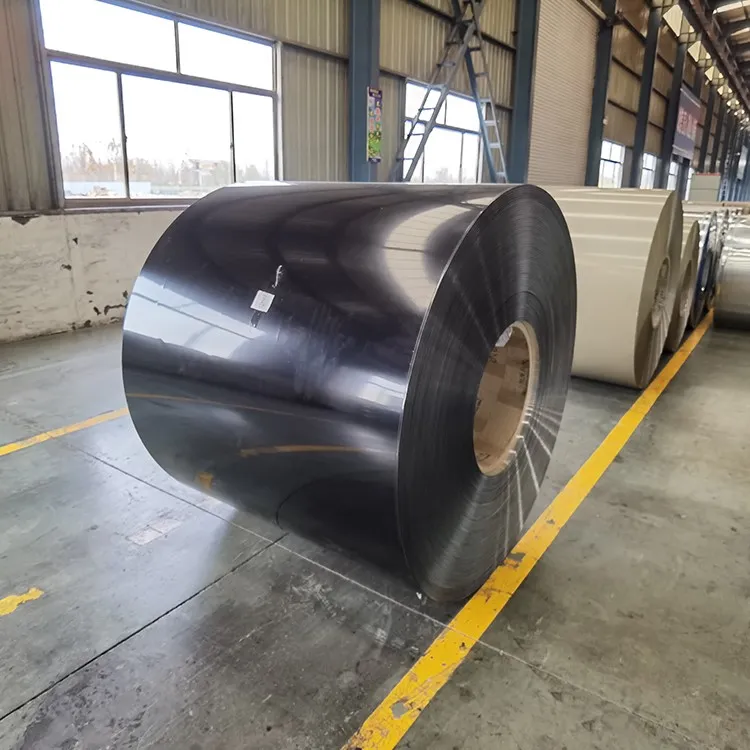
4.How to protect it during processing?
Protective Film Removal Strategy: Delay removing the protective film from the surface of the color-coated roll as much as possible until the area is finished. The protective film is the first line of defense against scratches.
Timely Cleaning: Immediately after each process, use a clean, dry cloth, soft brush, or air gun to remove dust and debris from the surface and surrounding area.
Tool and Workbench Cleaning: Keep workbenches, guide rails, fixtures, and tools clean to prevent cross-contamination.
5.What are the principles and guidelines for handling and stacking?
Handle with care and avoid dragging: Dragging the boards will cause dust from the bottom to "grind" on the surface.
Use clean wooden blocks and spacers: Ensure that supports are clean and free of hard objects when stacking.
Finished product protection: Cover finished parts with protective cloth or plastic film promptly to prevent dust contamination from the environment.