


Q: Will galvanized coils experience zinc peeling under diurnal temperature variations?
A: Under normal circumstances, no. Zinc peeling typically refers to the coating detaching completely from the steel substrate. The thermal stress generated by normal diurnal temperature variations (e.g., a temperature rise from -10°C to 30°C within a day) is very small and far from sufficient to damage the metallurgical bond between the galvanized layer and the steel substrate. Therefore, temperature differences alone will not cause galvanized coils to peel.
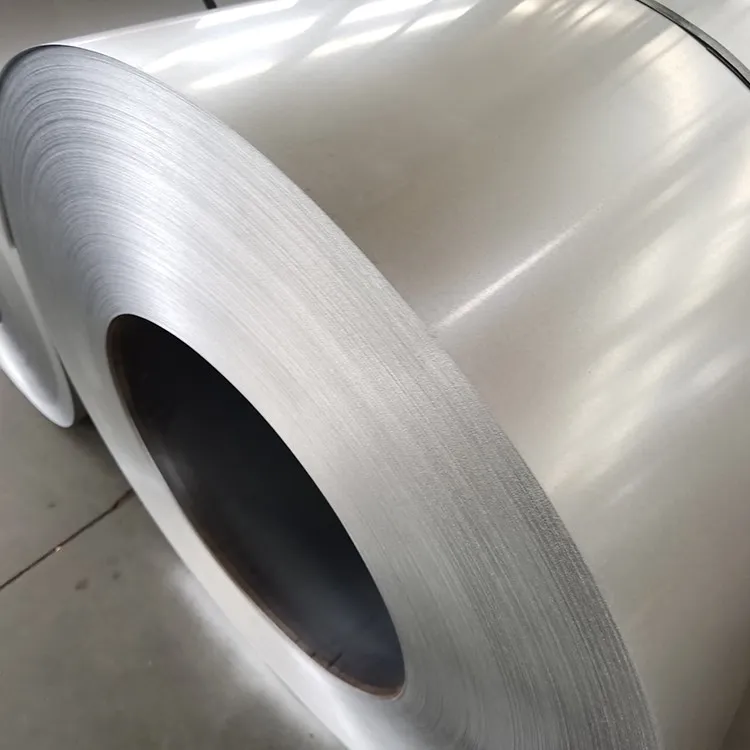
2. Zinc and steel have different coefficients of thermal expansion, so why doesn't zinc delamination occur due to temperature differences?
A: While zinc's coefficient of thermal expansion (approximately 30 × 10⁻⁶/K) is indeed higher than steel's (approximately 12 × 10⁻⁶/K), the dimensional changes between the two are minimal when the temperature difference is only a few tens of degrees. The zinc coating itself is relatively thin (typically 10–30 micrometers) and possesses a certain degree of plasticity, allowing it to expand and contract with the steel substrate through elastic or minor plastic deformation. This prevents the generation of sufficient shear stress to cause the interface to fracture.
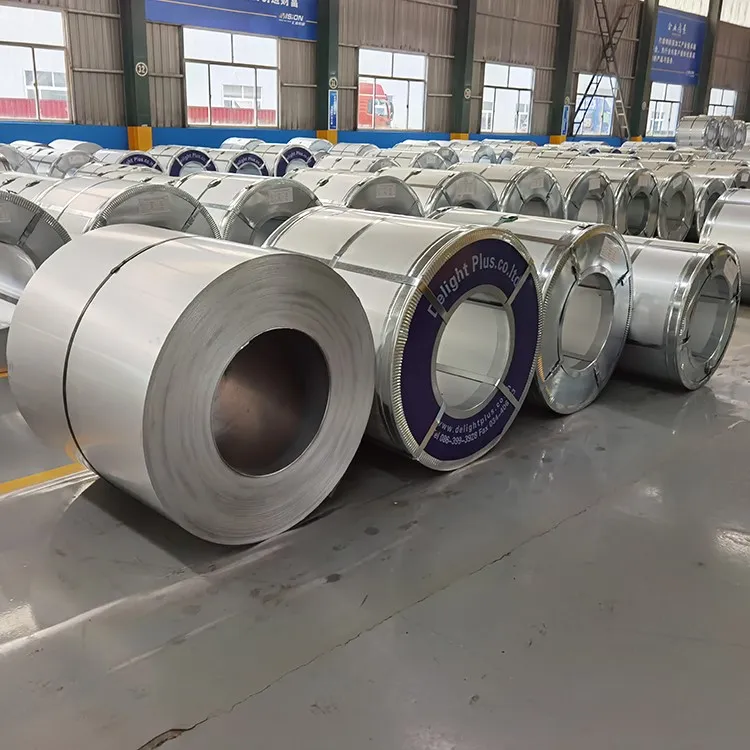
3. Are there any special conditions that could indirectly cause the galvanized layer to peel off due to temperature differences?
A: Yes. If the galvanized coil has substandard adhesion at the time of manufacture (e.g., excessively thick coating, discontinuous alloy layer, or improper substrate pretreatment), or if it has undergone severe corrosion due to prolonged exposure to high humidity and salt content, then frequent large temperature differences will accelerate the expansion of existing defects, leading to localized blistering and cracking, and ultimately potentially resulting in flaky peeling similar to dezincification. However, the root cause remains adhesion or corrosion issues, not a direct result of temperature differences.
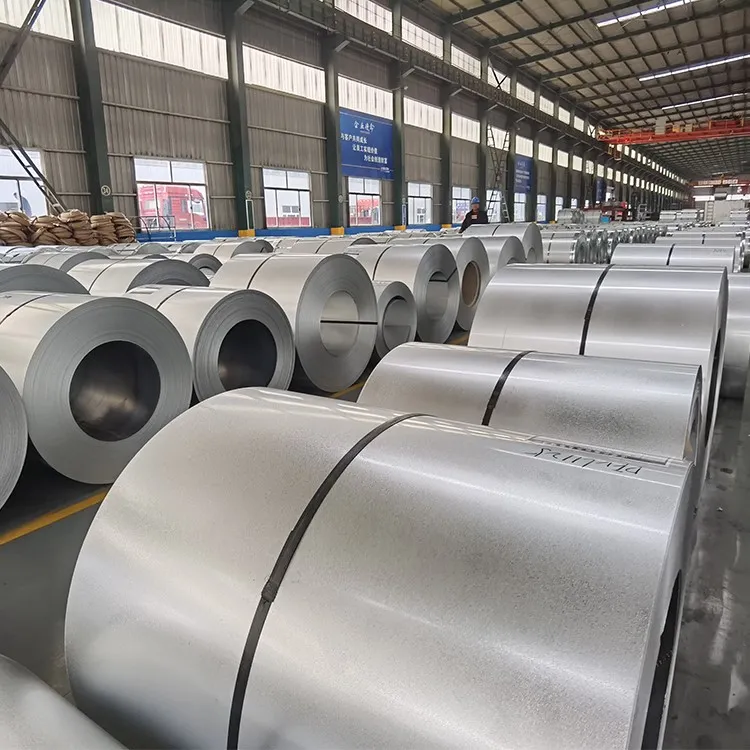
4. What impact do extreme diurnal temperature variations (such as 60°C during the day and -10°C at night in desert regions) have on galvanized coils?
A: Such drastic temperature differences exceeding 70°C significantly increase the risk of thermal fatigue. Long-term repeated exposure may cause microcracks on the coating surface, but these microcracks do not directly lead to dezincification. A more common consequence is that the cracks can trap moisture and oxygen, inducing white or red rust corrosion. The expansion of the corrosion products pushes the coating outwards, creating a floating or peeling appearance, which can easily be mistaken for dezincification.
5. How can users prevent zinc peeling when using galvanized coils in environments with large temperature differences?
A: First, select qualified galvanized coils to ensure adhesion meets standards (e.g., passing cupping or bending tests). Second, control the humidity of the installation and usage environment to avoid repeated condensation or water accumulation on the coil surface. For applications with large temperature differences and corrosion risks, it is recommended to use zinc-aluminum-magnesium coating or passivate/seal the finished product, and conduct regular inspections. Any minor cracks or blistering should be repaired promptly to prevent them from developing into coating peeling.