


1.Why does the zinc layer crack when bent?
Plasticity Differences in Metals: The base steel (usually mild steel) and the zinc coating are two different metals with varying ductility and yield strength. Zinc is softer than steel, but its plastic deformation capacity has limits.
Interface Bonding and Thickness: During bending, the steel base undergoes plastic deformation. The zinc coating on the outer surface is forced into tension, while the zinc coating on the inner surface is compressed. When the applied strain (tension or compression) exceeds the zinc coating's inherent tolerance, it cracks to relieve the stress.
2.What are the key factors affecting the degree of cracking of the zinc layer?
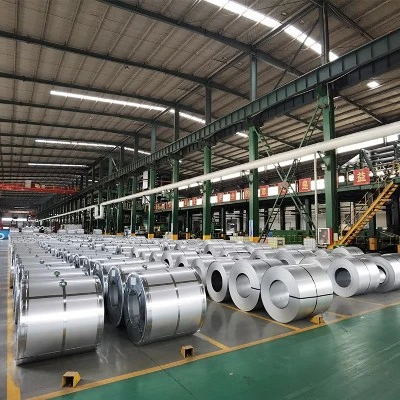
Galvanizing Process: Hot-dip galvanizing: The zinc layer is thicker (usually 50-200μm or more), forming a brittle iron-zinc alloy layer with the substrate. This layer is most susceptible to cracking and flaking when bent.
- Electrogalvanizing: The zinc layer is thinner (usually 5-20μm), resulting in a more uniform structure and pure zinc. It offers better bending properties than hot-dip galvanizing and is less susceptible to severe flaking.
Bending radius: The smaller the bending radius (i.e., the sharper the bend), the greater the tensile and compressive strains on the zinc layer, making it more susceptible to cracking. Increasing the bending radius is the most effective way to reduce cracking.
Zinc coating thickness: Under the same bending conditions, the thicker the zinc coating, the greater the internal stress it will be subjected to and the more susceptible it is to cracking. For parts that require severe bending, materials with a lower "coating weight" (i.e., a thinner zinc coating) are usually selected.
3.Does cracking of the zinc layer mean that the anti-corrosion performance has failed?
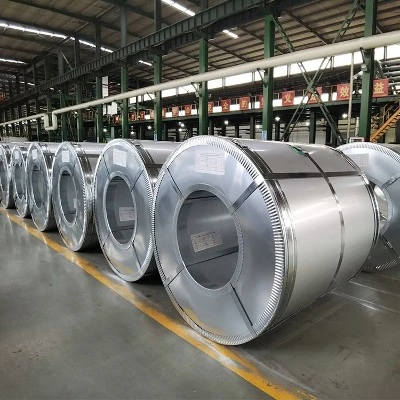
Microcracks are normal: During rigorous bending tests, tiny cracks in the zinc layer, imperceptible to the naked eye, are permitted. As long as these cracks do not penetrate the steel substrate and the zinc layer between the cracks remains intact, they still protect the steel through the principle of sacrificial anodic protection.
Spalling is dangerous: If bending causes large areas of the zinc layer to spall, exposing large areas of the steel substrate, these exposed areas will be unprotected and will rapidly develop red rust corrosion.
Sacrificial anodic protection: Even if a tiny amount of steel substrate is exposed at the crack site, the surrounding intact zinc layer will preferentially corrode (sacrifice itself), thereby protecting the exposed steel. This protective effect is effective as long as the cracks are not wide or densely packed.
4.How to control and evaluate?
Design Phase:
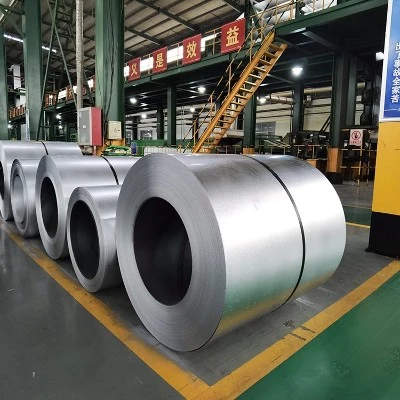
Select the appropriate galvanized sheet based on the degree of bendability. For example, electro-galvanized sheet is more suitable for complex formed parts.
Use a larger bend radius when designing.
Production and Material Selection:
For parts requiring excellent bendability, request hot-dip galvanized sheet with "good bendability" from your supplier; this will optimize the production process.
Select a gauge with a thinner coating.
Quality Inspection:
Industry standards (such as ASTM, ISO, and GB) often include specific bend test methods to assess coating adhesion.
A common method involves bending a specimen 180 degrees around an axis of a specified diameter (e.g., 0a, meaning a tight fit) and inspecting the outer surface for zinc flaking (not micro-cracking). Acceptable adhesion is typically determined by "no flaking of the zinc coating to the point where it can be removed with a fingernail."
5.In summary, what is the impact of zinc layer cracking after bending of galvanized coil?
Cracking: Microcracks in the zinc layer are common after bending galvanized coils, especially for thicker hot-dip galvanized layers.
Control is key: By selecting the appropriate material (processing, zinc layer thickness) and using a sufficiently large bending radius, cracking can be kept within acceptable limits.
Microcracks do not necessarily mean failure: As long as there is no severe zinc layer spalling, microcracks generally do not immediately lead to a loss of corrosion protection, as the sacrificial anodic protection of the zinc still persists.