


1 Determination of nominal magnetic flux density
When the four-frame and five-column wound core is excited, the magnetic flux flows through the four core frames, and there is an asymmetric distribution phenomenon.
This causes some local magnetic flux to be distorted due to the superposition of high-order harmonics generated by asymmetric distribution, causing local magnetic induction supersaturation and causing losses to rise rapidly. Therefore, during design, the nominal magnetic flux density should not be set too high.
2. Process coefficient
During the manufacturing process of the transformer, when the four core frames are assembled with the windings, they need to undergo a series of operations that stress the core, such as opening the joints, installing the windings, and reconnecting the joints. This causes the post-assembly loss to increase compared with the bare core. . When designing, this added value should be considered, which is theoretically represented by a process coefficient.
It is related to many factors such as the combination of the core and windings and the experience and skills of the operators. The general value range should be between 1.08 and 1.15.
3. The core is stressed
The stress generated in the iron core is divided into two types: static and dynamic. Part of the static stress comes from the self-weight of the core, and the other part is generated during assembly. Dynamic stress comes from the short-circuit electrodynamic force of the transformer.
The loss of the amorphous alloy core is closely related to the surface pressure of the alloy strip, and the loss will rise rapidly as the pressure increases. Therefore, a reasonable assembly structure should be selected to maintain the core surface pressure below a certain allowable value.
4. Noise
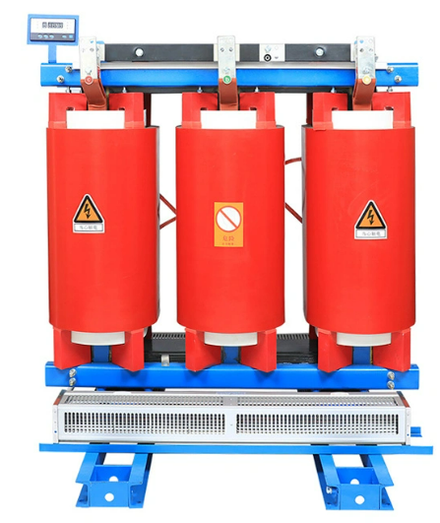
The noise of the transformer originates from the vibration caused by the magnetostriction of the transformer core under alternating magnetic flux. The main factors that determine the level of noise are the magnetic flux density in the core and the clamping degree of the core.
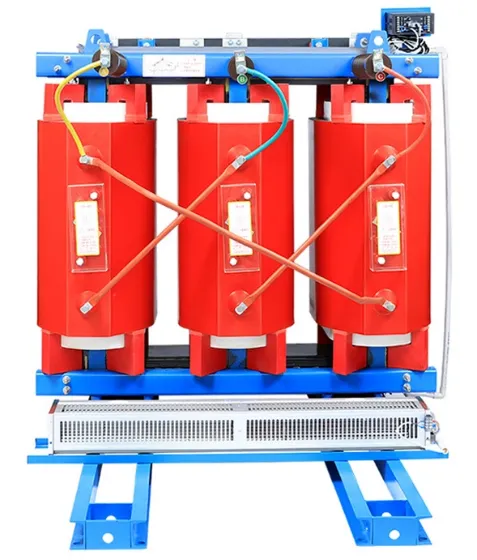
Since the magnetostriction of amorphous alloy is about 10% higher than that of silicon steel sheet, and the amorphous alloy core is not suitable for excessive clamping, the noise of amorphous transformer will be higher than that of silicon steel sheet transformer.
The European power department has conducted a noise comparison test between two types of transformers. The results show that the sound level of amorphous transformers is 6-8dB higher than that of silicon steel transformers of similar specifications. Of course, this is acceptable as it is still within the noise requirements of European environmental regulations.
This means that although the noise of amorphous transformers is higher, it is not much higher and will not affect the environment, nor will it exceed the required values in relevant environmental standards.