


1.Why are cold-rolled coils unsuitable for core pump components?
Pressure resistance requirements: Must withstand continuous high pressure (often 10-30 MPa, or even higher), requiring high strength and excellent fatigue resistance.
Medium strength (usually low carbon steel), with limited tensile and yield strength. Prone to plastic deformation or fatigue cracking under long-term high pressure.
Corrosion resistance requirements: Prolonged exposure to high-pressure water flow, potentially containing chemical cleaning agents, necessitates materials with excellent resistance to water and chemical corrosion.
Exposed steel surfaces are highly susceptible to rust. Even galvanized surfaces are easily damaged by high-pressure erosion and chemical substances.
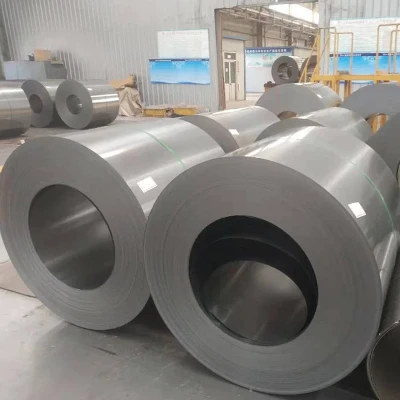
2.What are some possible applications for cold-rolled coils?
In high-pressure washers, cold-rolled coils may be used for structural components that do not directly contact the high-pressure water flow, are not pressurized, or require precision forming but are not subject to significant stress, such as:
Housing or enclosure: As an exterior or protective component.
Mounting brackets or bases: Used to secure the motor or pump body.
Water tanks, drain troughs: Non-pressurized water storage or collection components.
Control panel housing.
Some stamped connectors or covers.

3.What are the commonly used materials for the core components of pump bodies in the industry?
Stainless steel: Such as 304 and 316 stainless steel, offering excellent corrosion resistance and overall strength. A common choice for commercial and industrial cleaning machines.
Aluminum alloy: Lightweight and with good heat dissipation, typically treated with anodizing to enhance surface hardness, used in mid-to-high-end models.
Brass/Bronze: Excellent corrosion and wear resistance, good machinability, commonly used in critical components such as valve assemblies and plunger sleeves in plunger pumps.
Engineering plastics/ceramics: Used in certain models or components for superior chemical corrosion resistance or weight reduction.
High-strength alloy steel: Processed with tempering heat treatment, hard chrome plating, nitriding, etc., to withstand ultra-high pressure. This is the mainstream choice for heavy-duty industrial equipment.

4.How to define the function of a component?
First, determine which part of the component you want to manufacture, whether it comes into contact with high-pressure water, and whether it is under pressure.
5.How to follow industry standards?
Refer directly to the original parts and materials of mainstream high-pressure cleaner brands, or consult relevant mechanical design manuals and pump manufacturing standards.