


1.Why is it not recommended to use it directly on the ground?
Insufficient Corrosion Resistance:
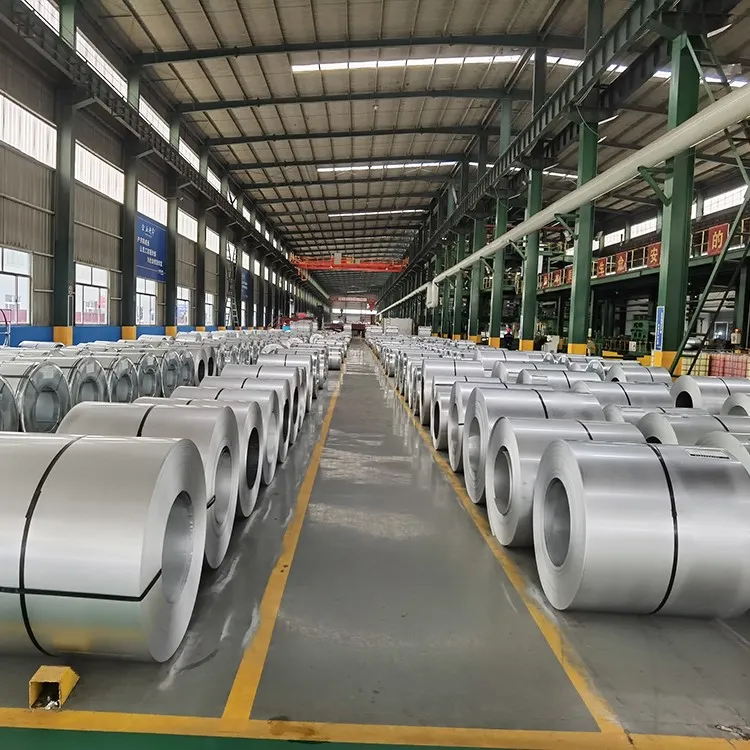
The protection offered by the galvanized coating is limited. Chemical plant floors are typically exposed to various strong acids, strong alkalis, oxidizing salts, and other chemicals.
Both acids and alkalis rapidly corrode the zinc coating. Even splashes of diluted acid can damage the zinc layer. Once the zinc layer is breached, the underlying steel corrodes quickly, leading to structural damage and safety hazards.
Poor Slip Resistance, Especially in Wet Conditions:
Galvanized surfaces are typically smooth, but become extremely slippery, especially after contact with water, oil, or certain chemicals, posing a significant risk of slipping and falling for workers. This is a fatal flaw as a flooring material.
Easily Damaged Coating:
Floors are inevitably subjected to impacts, scratches, and abrasion from vehicles, tools, and heavy objects. Once the galvanized coating is scratched by a hard object, the damaged point becomes the starting point of corrosion, accelerating the consumption of the surrounding zinc layer through a "sacrificial anode" mechanism, causing rapid corrosion spread.
2.In what situations can we consider using it?
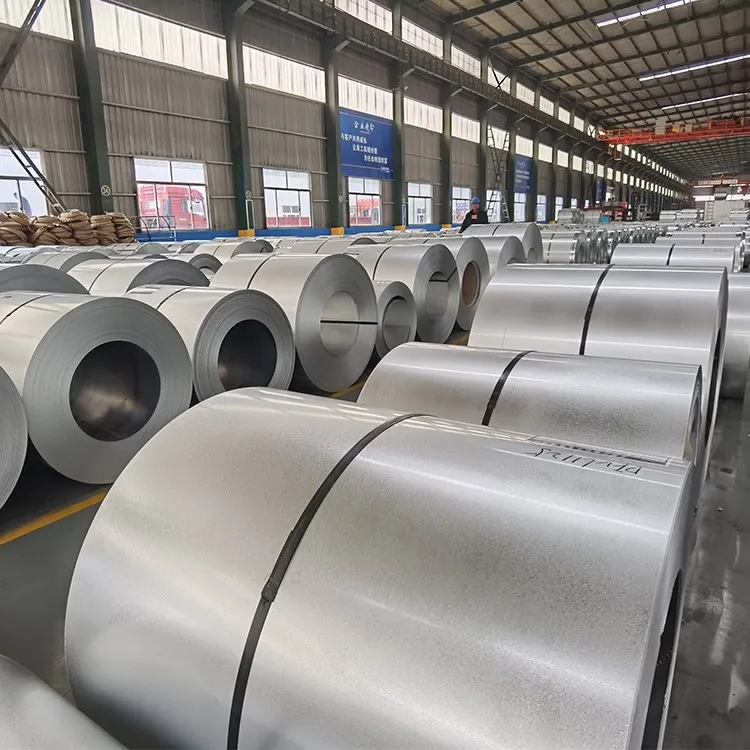
As a base substrate: Galvanized steel sheets can be used as a base layer for epoxy or polyurethane flooring. However, this requires extremely high surface treatment standards, necessitating specialized primers and sophisticated construction techniques to ensure strong adhesion between the coating and the smooth zinc surface. Once the surface layer is damaged, corrosion will begin at the point of damage and spread beneath the coating, making it difficult to detect and repair.
For low-corrosion areas: Theoretically, galvanized steel grating can be used in chemical workshops with clearly defined dry, clean areas that only come into contact with neutral or non-corrosive materials. However, rigorous risk assessments and area isolation are essential.
As grating platforms: Galvanized steel grating may be used on secondary platforms or walkways requiring permeability and ventilation. However, it faces the same corrosion and slippery risks as described above, requiring regular inspection and maintenance.
3.What are the advantages and disadvantages of using epoxy resin flooring as the flooring in chemical workshops?
This is one of the most mainstream options. By selecting different formulations (such as epoxy phenolic, vinyl ester, etc.), it can withstand a wide range of chemicals, including strong acids, strong alkalis, and solvents.
Advantages: Seamless overall finish, easy to clean, wear-resistant, adjustable anti-slip properties (quartz sand can be added), and a variety of colors.
Disadvantages: Requires high-quality substrate; the quality of construction affects the final performance.
4.What are the advantages of polyurethane flooring?
It possesses excellent chemical resistance, abrasion resistance, and impact resistance, while also exhibiting a degree of elasticity and providing a comfortable feel underfoot.
It is commonly used in areas where extremely high cleanliness and abrasion resistance are required.
5.What are the advantages of acid-resistant ceramic tile/granite flooring?
Using acid-resistant cement for grouting provides excellent resistance to inorganic acids.
It is highly wear-resistant and pressure-resistant, but the joints are weak points and have poor impact resistance (it is brittle).