


1. What is galvanized color-coated steel coil with film coating, and what is the core difference between it and ordinary color-coated steel coil?
Galvanized color-coated steel coil with film coating is made by applying a layer of high-polymer color film (such as PET, PVC, or PVDF) to the surface of hot-dip galvanized steel sheet after the primer and topcoat have been applied, through a high-temperature hot-pressing process. The core difference between it and ordinary color-coated steel coil is the addition of a "functional protective film." Ordinary color-coated steel sheet only has one or several layers of liquid paint applied as an organic coating through a roller coating process, while this film coating is not only thicker but also acts like a dense, strong, and fully functional "protective coat" for the steel sheet.
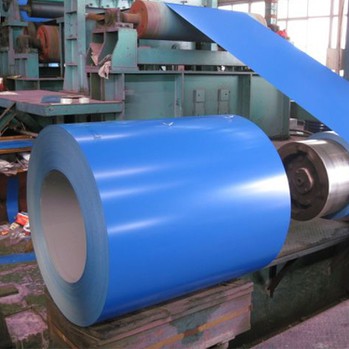
2. Compared to ordinary color-coated coils, where does the most prominent corrosion resistance advantage of laminated steel sheets lie?
A: Its corrosion resistance advantage mainly lies in the dual protection of "physical isolation" and "chemical stability." The coating material itself is non-metallic; polymer films such as PVC have extremely high density, capable of 100% blocking the penetration of corrosive media such as water vapor, oxygen, acids, alkalis, and salt spray. This physical barrier cuts off the pathway of electrochemical corrosion, making the cut edges and surfaces of the color-coated coils less prone to rusting. Even under frequent contact or washing, its corrosion resistance lifespan far exceeds that of ordinary coated products. High-quality laminated steel sheets can achieve an astonishing 4000 hours or more in salt spray resistance tests, and the design standard for outdoor use can reach 30 to 50 years.
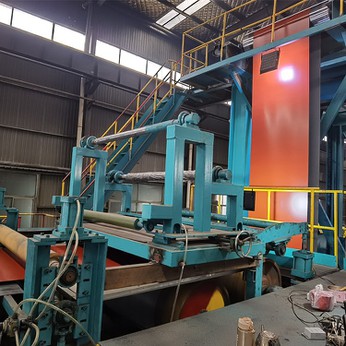
3: In building applications, what practical and long-standing problems does galvanized color-coated laminated steel sheet solve?
Answer: It effectively solves three major pain points:
Preventing condensation: In environments with large temperature differences, such as grain silos and cold storage facilities, condensation easily forms on the surface of ordinary steel sheets, leading to mold growth. Due to its thick film layer, the laminated sheet prevents moisture from contacting the cold steel sheet, fundamentally solving the condensation and dripping problem.
Significantly reducing noise: Compared to ordinary color-coated sheets, the film layer effectively buffers the kinetic energy of raindrop impacts, significantly reducing "tinkling" noise on rainy days and improving the indoor environment of buildings such as factories.
Energy saving and heat insulation: High-quality film, especially film materials with added reflective layers, can effectively block infrared and ultraviolet rays from sunlight and reflect and quickly dissipate heat. Compared to ordinary color-coated sheets, its surface temperature can be reduced by 8 to 10 degrees Celsius, thus saving air conditioning energy consumption.
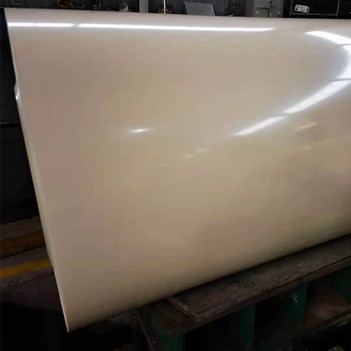
4. From the perspective of decorative effect and user experience, what sensory upgrades does laminated steel bring that ordinary color-coated steel cannot replace?
A: Laminated steel brings significant sensory improvements. First, it can perfectly present hundreds of colors and textures such as wood grain, marble grain, and brushed metal, making the decorative effect of steel replacing wood and stone seamless. Second, its surface hardness can reach 3H or higher, possessing excellent scratch and wear resistance, and is not easily scratched in daily use. Finally, its surface is smooth and dense, not easily absorbing oil and dust, and has excellent self-cleaning and easy-to-wipe characteristics, making maintenance very convenient. In addition, its surface coating has a certain degree of flexibility and ductility, and can perfectly follow the steel plate for deep processing such as stamping, bending, and drilling, without cracking or peeling like ordinary paint.
5. While the advantages are obvious, what are the limitations and applicable scenarios for the use of laminated panels?
A: Yes, its performance advantages also determine its application boundaries. The biggest limitation of laminated panels is their poor heat resistance. The melting point of ordinary laminated materials is about 120℃, therefore, long-term use in high-temperature workshops (such as boiler rooms) or places directly exposed to open flames is strictly prohibited. Furthermore, once the film layer is damaged, it cannot be easily repaired. Welding is strictly prohibited during construction because the extremely high temperature generated by welding will instantly destroy the film, causing it to lose its anti-corrosion ability. In addition, not all films are suitable for outdoor use. Ordinary PVC films are prone to aging under prolonged exposure to sunlight and ultraviolet rays. Therefore, outdoor building roofs and walls should use film materials with excellent UV resistance, such as PVDF and ASA. Indoor applications such as chemical plants, heavy metal smelting workshops, electroplating workshops, farms, grain depots, and cold storage facilities, or interior and exterior walls of buildings at risk of strong acid and alkali corrosion, are ideal application scenarios where laminated panels can best demonstrate their "high corrosion resistance and high performance" advantages.