


Q: Will the paint surface of galvanized color-coated coils always be damaged during the forming process?
A: Not necessarily, but there is a risk of damage. If professional color-coated sheet forming equipment is used (the rollers are treated with polyurethane or rubber coating), and the roller gap and pressure are properly adjusted, normal forming will not cause obvious scratches to the paint surface. However, if the roller surface is rough, has burrs, or is in hard metal contact, or if metal debris is mixed in during forming, scratches, indentations, or even coating peeling can easily occur. Therefore, whether or not damage occurs mainly depends on the equipment process and operating procedures.

2. Where is the paint most likely to be damaged during forming?
A: There are four most vulnerable areas: First, the two side edges of the strip, because the galvanized layer and coating at the edges already have micro-cracks after shearing, making them prone to paint chipping under pressure during rolling; second, the transition zone between the peaks and valleys of the forming corrugations, where metal deformation is severe and the coating stretches the most, potentially causing fine cracks; third, the back side that comes into contact with the guide rollers and length-setting baffles during feeding (although not critical, scratches can lead to corrosion from the back); fourth, the area near the cutting edge after forming, as the metal tears during cutting, causing the coating to peel off. Among these, the visible corrugated tops and ribs require the most protection, otherwise, the appearance and corrosion resistance will be affected.
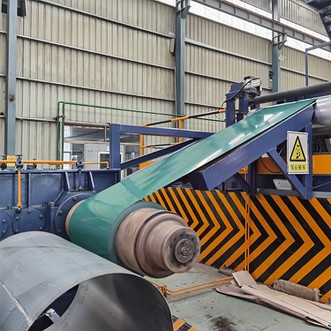
Three: What factors exacerbate the damage to the paint surface caused by molding?
Answer: There are five main factors: First, the ambient temperature is too low (below 5℃), at which point the coating's flexibility decreases, making it prone to cracking when bent; second, the molding speed is too fast, causing the coating to not have enough time to spread evenly; third, hard debris (such as cutting iron filings or abrasive particles) adheres to the rollers, acting like sandpaper on the paint surface; fourth, the coating type of the board does not match the molding requirements, for example, high-hardness but low-flexibility fluorocarbon coatings are more prone to cracking than polyester coatings under complex waveforms; fifth, improper storage of the board before molding causes the surface to absorb dust or oil, and these particles are pressed into the paint film during molding, causing pits.
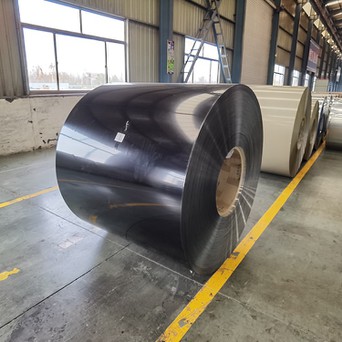
4. How to avoid paint damage during molding through equipment adjustments?
A: First, all roller surfaces in contact with the coating must be covered with polyurethane or rubber sleeves, or use steel rollers polished to a mirror finish and hard chrome plated. Ordinary steel rollers with rust or welds are prohibited. Second, the pressing amount of each roller should increase gradually to avoid excessive local stretching caused by one-time molding. Typically, at least 12 rollers are needed for gradual molding. Third, install an air blower and brush rollers at the feed end to remove dust from the board surface, and regularly apply a special wax-based lubricant (without silicone oil to avoid affecting subsequent coating or bonding) to the rollers. Finally, place the board in the workshop for at least 24 hours before molding to allow the board temperature to rise to above 15°C.
5. If minor damage to the paint surface is found after molding, how should it be repaired?
A: For damage that does not expose the iron base (only scratches on the coating but the zinc layer is intact), use an acrylic repair paint pen of the same color as the pre-coated coil to apply it in spots. After drying, smooth it with a soft cloth. For scratches that expose the zinc plating, first gently sand away the raised paint with fine sandpaper, then apply a zinc-rich primer, and after it dries, cover it with a topcoat. For severe damage exposing the steel base (with rust spots), you must first clean the rust with a rust remover pen, apply a two-component epoxy resin sealing primer, and finally apply a topcoat. After all repairs, use a hairdryer to bake at a low temperature (about 60°C) to accelerate curing, and ensure that the repair area extends at least 5 mm beyond the actual damage edge to prevent future corrosion from starting from that point. Never use ordinary paint or transparent tape to directly cover the damage, as this will accelerate the electrochemical corrosion at the bottom.