


1.What is the basis for the color realization of color-coated plates?
The Role of Pigments: Pigments not only impart color to a coating but also influence its hiding power, weatherability (such as UV and heat resistance), and corrosion resistance. Common pigment types include organic pigments (such as azo pigments, which offer vibrant colors but limited weatherability), inorganic pigments (such as titanium dioxide and red iron oxide, which offer strong weatherability but low color saturation), and metallic pigments (such as aluminum powder and copper powder, which impart a metallic luster).
Color Matching Technology: By mixing pigments of varying types and proportions with resins (the coating's film-forming material), over a thousand basic colors can be formulated. Combined with color control technologies (such as spectrophotometers), color consistency can be ensured throughout mass production.

2.What are the common color types of color-coated plates?
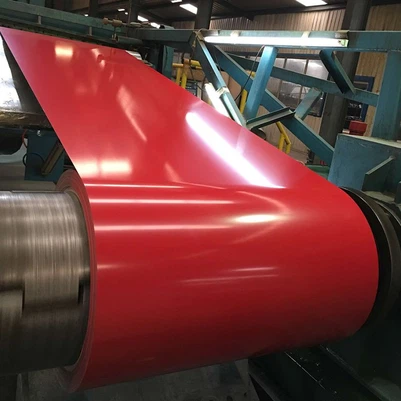
Basic solid colors: The most commonly used type, featuring uniform, simple colors, encompasses the full range of red, yellow, blue, green, white, and black, with multiple shades within each color family (e.g., red can be divided into crimson, brick red, and rust red).
Typical examples include: white (titanium dioxide, with high reflectivity, suitable for high-temperature areas), gray (a neutral color, versatile and stain-resistant), blue (such as sea blue and sky blue, often used on building exteriors), and green (such as grass green and dark green, suitable for eco-friendly themes).
Metallic colors: Achieved by adding metallic pigments (such as aluminum powder and zinc powder), the coating imparts a metallic luster, combining decorative properties with a certain degree of rust resistance.
Typical examples include: silver (mixed with aluminum powder, resulting in a strong metallic texture, commonly used in home appliances and curtain walls), and gold (mixed with copper or gold powder, used in high-end decorative applications). Pearlescent/Iridescent Effect Colors: Pearlescent powder (such as mica powder) or special optical pigments are added to create a coating that changes color at different angles (e.g., a gradient from pink to purple), creating a strong visual sense of depth. These colors are often used in high-end architecture or consumer products.
Customized Colors: Colors can be customized to meet customer needs, matching specific color palettes (such as the internationally recognized Pantone and RAL color palettes) or replicating sample colors (e.g., corporate logo colors or brand-specific colors) to meet personalized needs.

3.What are the core factors that influence color selection?
Weather resistance requirements: For outdoor applications (such as building exteriors, roofs, and outdoor billboards), highly weather-resistant colors should be selected. Inorganic pigments (such as iron oxides) should be used, such as gray and khaki, to prevent organic pigments (such as bright red and yellow) from fading due to long-term UV exposure. For indoor applications (such as appliance housings and furniture), less weather resistance is required, so more vibrant organic pigments can be used.
Heat dissipation and energy conservation requirements: For pre-coated panels in high-temperature areas or on roofs, light colors (such as white and light gray) are preferred. These colors have high reflectivity (reflecting over 70% of solar radiation), lowering surface temperatures by 10-20°C compared to darker colors, thus reducing building air conditioning energy consumption. For low-temperature areas, darker colors (such as black and dark blue) can be used to absorb sunlight and improve thermal insulation. Environmental and Aesthetic Compatibility: Architectural design should consider harmony with the surrounding landscape (for example, scenic area buildings often use low-saturation natural colors, while urban facades can use neutral colors to enhance a modern feel). Home appliances or industrial products should also incorporate brand identity (for example, silver and black are common for technology products, while bright yellow and pale blue are common for children's products).
Industry Standards: Certain specific scenarios have clear color standards, such as the common use of "power gray" and "safety red" for electrical equipment (in compliance with industry safety signage standards). Food industry-related equipment may require light-colored coatings (such as white or light blue) that meet food contact standards.
4.What are the application advantages of diverse color options?
Enhance product added value: Customize colors to match brand image (such as exclusive colors for home appliance brands) or use special effect colors (such as pearlescent colors) to enhance product quality and strengthen market competitiveness.
Extend service life: Choosing weather-resistant colors (such as inorganic pigment colors for outdoor use) can reduce fading and aging of the coating, indirectly extending the overall service life of color-coated steel sheets (typically, outdoor color-coated steel sheets have a lifespan of 15-20 years, with color stability being a key factor).
Adapt to multiple scenarios: From building exteriors (which require weather resistance and landscape harmony) to home appliance housings (which require aesthetics and brand consistency) to automotive parts (which require heat resistance and rust resistance), a variety of colors can precisely match the functional and visual requirements of different scenarios, broadening the application range of color-coated steel sheets.
5.How does the color choice of color-coated steel affect its price?
Special Color Customization: Customizing non-standard colors or colors outside of a specific brand's color palette will require additional color matching, quality control, and possible adjustments to raw material procurement during the production process, resulting in increased costs and higher prices. For example, in Magang's color-coated steel price list, special colors like coral red and traffic red incur a 200 yuan/ton surcharge, while colors like jet black and pearl gray incur a 100 yuan/ton surcharge.
Color Vibrancy: The more vibrant the color of the color-coated steel sheet, the higher the quality of the pigment or the amount of pigment added to ensure color saturation and vividness. This increases production costs and the price. For example, the price list for single-sided spray painting of color-coated steel sheet on Xiuzhuanger.com shows that for the same standard spray painting process, darker colors (which are relatively more vibrant) cost 20-25 yuan more than lighter colors, which cost 15-20 yuan.
Common Colors and Special Effect Colors: Common basic colors, such as white, gray, blue, and green, enjoy relatively stable and affordable prices due to mature production processes and large market supply. Colors with special effects, such as metallic colors, pearlescent colors, and fantasy colors, require the addition of special pigments or the use of special coating processes, which have higher production costs and therefore significantly increase prices.