


Products Description
When selecting coated steel materials for construction, home appliances, or industrial projects, two common grades often confuse buyers: DC51D+AZ (galvalume steel) and DX51D+Z (galvanized steel). While both are hot-dip coated steel products with corrosion resistance, they differ significantly in coating composition, performance, applications, and cost-effectiveness. Understanding these differences is critical to choosing the right material for your project-avoiding overspending on unnecessary performance or compromising on durability. In this comprehensive guide, we'll compare DC51D+AZ and DX51D+Z from every key angle, including grade definition, coating properties, mechanical performance, advantages, applications, and cost. By the end, you'll have a clear picture of which grade fits your specific needs and be ready to reach out for a tailored quote.
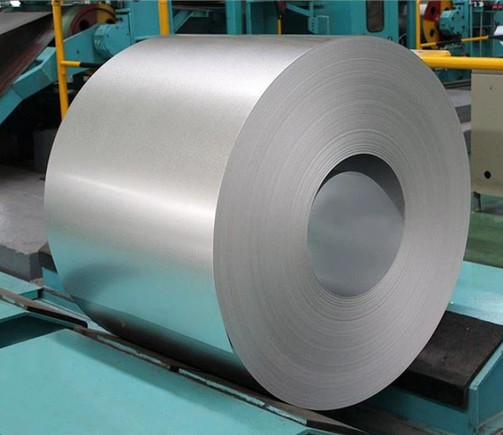
1. Core Definition: What Are DC51D+AZ and DX51D+Z?
Before diving into comparisons, it's essential to decode the grade designations of both materials, as each letter and number reveals key information about their substrate, rolling state, and coating type-factors that directly impact their performance.
1.1 DC51D+AZ (Galvalume Steel)
DC51D+AZ is a hot-dip 55% aluminum-zinc alloy coated steel grade compliant with the European standard EN 10346. Let's break down its designation:
DC: Indicates cold-forming flat steel, where "D" stands for cold forming and "C" specifies that the substrate is in a cold-rolled state-ensuring uniform thickness and excellent formability.
51: The steel grade serial number, representing entry-level formability (higher numbers mean better formability), making it suitable for most common cold-forming processes like bending and stamping.
D: Refers to the hot-dip coating method, which ensures the aluminum-zinc alloy adheres evenly to the steel substrate.
AZ: Denotes the 55% aluminum-zinc alloy coating (55% Al, 43.5% Zn, 1.5% Si by weight)-the core feature that delivers superior corrosion resistance compared to traditional galvanized steel.
DC51D+AZ is a premium coated steel option, designed for applications requiring long-term durability and resistance to harsh environments. Its cold-rolled substrate ensures consistent quality and excellent processability, making it a popular choice for high-demand projects.
1.2 DX51D+Z (Galvanized Steel)
DX51D+Z is a hot-dip pure zinc coated steel grade, also compliant with EN 10346, and one of the most widely used coated steel products globally. Its designation breaks down as follows:
DX: Also indicates cold-forming flat steel, but "X" denotes an unspecified rolling state-meaning the substrate may have slight variations in rolling process, though it still maintains good formability for general use.
51: Same as DC51D+AZ, the serial number represents entry-level formability, suitable for standard cold-forming applications.
D: Signifies hot-dip coating, ensuring the pure zinc layer covers the substrate uniformly.
Z: Stands for pure zinc coating-composed of 99.9% pure zinc, which provides basic corrosion protection through sacrificial anode behavior.
DX51D+Z is a cost-effective, widely accessible option, favored for its simplicity, mature production process, and suitability for indoor or mild outdoor environments. It has been a staple in the industry for decades due to its balance of performance and affordability.
2. Key Difference 1: Coating Composition & Corrosion Resistance
The most fundamental difference between DC51D+AZ and DX51D+Z lies in their coating composition, which directly determines their corrosion resistance-one of the most critical performance indicators for coated steel. Below is a detailed comparison of their coating properties and corrosion resistance.
2.1 Coating Composition
|
Grade |
Coating Type |
Main Composition |
Standard Coating Weight |
Coating Thickness |
|---|---|---|---|---|
|
55% Aluminum-Zinc Alloy |
55% Al, 43.5% Zn, 1.5% Si |
AZ120 (120 g/m²), AZ150 (150 g/m²), AZ200 (200 g/m²) (double-sided total) |
16–27 μm (double-sided total) |
|
|
DX51D+Z |
Pure Zinc |
99.9% Zn |
Z100 (100 g/m²), Z140 (140 g/m²), Z275 (275 g/m²) (double-sided total) |
14–39 μm (double-sided total) |
2.2 Corrosion Resistance Mechanism & Performance
The two grades use different corrosion protection mechanisms, leading to significant differences in service life and performance in harsh environments:
DC51D+AZ (Galvalume): Offers dual protection: Performance data: DC51D+AZ can withstand ≥1000 hours of neutral salt spray testing (NSS), with a service life of 25+ years in atmospheric environments and 20+ years in coastal/industrial areas-2–6 times longer than DX51D+Z.
Aluminum barrier effect: The aluminum in the coating forms a dense, stable aluminum oxide (Al₂O₃) film on the surface, effectively blocking moisture, oxygen, and corrosive substances from reaching the steel substrate.
Zinc sacrificial protection: If the coating is scratched or damaged, the zinc in the alloy acts as a sacrificial anode, corroding first to protect the steel substrate from rust.
DX51D+Z (Galvanized): Relies solely on zinc sacrificial protection: Performance data: DX51D+Z typically withstands 200–500 hours of NSS testing, with a service life of 5–15 years in atmospheric environments and only 3–8 years in coastal/industrial areas. It requires more frequent maintenance and replacement in harsh conditions.
The pure zinc layer corrodes preferentially to protect the steel substrate, but it does not form a dense barrier film like aluminum. When exposed to moisture or salt, zinc oxidizes to form "white rust," which gradually peels off over time.
3. Key Difference 2: Mechanical Properties
Both DC51D+AZ and DX51D+Z are designed for cold-forming applications, but their mechanical properties (yield strength, tensile strength, elongation) differ slightly due to variations in substrate rolling state and coating composition. These differences affect their processability and suitability for different forming processes.
|
Mechanical Property |
DC51D+AZ (Galvalume) |
DX51D+Z (Galvanized) |
Key Note |
|---|---|---|---|
|
Yield Strength (Rp0.2) |
140–300 MPa |
140–300 MPa |
Similar range; both meet entry-level cold-forming requirements |
|
Tensile Strength (Rm) |
270–500 MPa |
270–500 MPa |
Consistent with EN 10346 standard for grade 51 steel |
|
Elongation (A80) |
≥ 26% |
≥ 22% |
DC51D+AZ has better ductility, making it more suitable for complex bending/stamping without coating peeling |
|
Coating Adhesion |
Excellent (no peeling after 180° bending, bend radius = 1× thickness) |
Good (no peeling after 180° bending, bend radius = 1–2× thickness) |
DC51D+AZ's alloy coating bonds more tightly to the cold-rolled substrate |
|
Weldability |
Good (compatible with MIG/TIG welding; proper ventilation recommended to avoid aluminum fumes) |
Excellent (easier to weld than galvalume; less fume generation) |
DX51D+Z is preferred for projects requiring extensive welding |
Overall, DC51D+AZ has slightly better formability and coating adhesion, making it suitable for complex forming processes (e.g., deep drawing, roll forming for roofing panels). DX51D+Z, while slightly less ductile, offers better weldability, making it ideal for projects with frequent welding requirements (e.g., steel frames, containers).
4. Key Difference 3: Heat Resistance & Additional Performance
Beyond corrosion resistance and mechanical properties, DC51D+AZ and DX51D+Z differ significantly in heat resistance and other value-added performance, which expands their application scope in different industries.
4.1 Heat Resistance
DC51D+AZ: Excels in high-temperature environments. It can withstand continuous temperatures of 315°C and intermittent temperatures of 350°C without oxidation, discoloration, or coating peeling. The aluminum component in the coating provides excellent heat stability, making it ideal for high-temperature applications like oven shells, chimneys, exhaust systems, and solar panel supports.
DX51D+Z: Has limited heat resistance. It can only withstand continuous temperatures of up to 200°C; beyond this, the zinc coating will oxidize rapidly, turn black, and peel off. It is not suitable for high-temperature applications and is mainly used in ambient temperature environments.
4.2 Solar Reflectivity
DC51D+AZ has a solar reflectivity of ~80%, which helps reduce building cooling costs by 20–30% when used in roofing or wall panels. This energy-saving feature makes it a popular choice for green building projects. In contrast, DX51D+Z has a lower solar reflectivity (~60%), offering minimal energy-saving benefits.
4.3 Paint Adhesion
Both grades can be painted, but DC51D+AZ has better paint adhesion due to its rough coating surface, which allows paint to bond more tightly. This makes it an ideal substrate for prepainted steel (PPGL) with long-lasting color retention. DX51D+Z also has good paint adhesion but may require additional surface treatment for optimal results in high-demand aesthetic applications.
5. Key Difference 4: Applications
Due to their performance differences, DC51D+AZ and DX51D+Z are suited for different applications. Choosing the right grade based on your project's environment and requirements will ensure durability and cost-effectiveness.
5.1 DC51D+AZ (Galvalume Steel) Applications
DC51D+AZ is ideal for outdoor, harsh, or high-temperature environments where long service life and corrosion resistance are critical. Common applications include:
Construction: Roofing/wall panels (residential, commercial, industrial buildings), PV mounting brackets, solar panel supports, drainage systems (coastal/industrial areas)
Home Appliances: Oven shells, exhaust systems, air conditioner outdoor units (high-temperature components)
Industrial Equipment: Chimneys, high-temperature pipelines, industrial machine casings
Agricultural Machinery: Barns, silos, outdoor equipment housings (exposed to weather)
5.2 DX51D+Z (Galvanized Steel) Applications
DX51D+Z is suitable for indoor or mild outdoor environments where cost-effectiveness is a priority and corrosion resistance requirements are moderate. Common applications include:
Construction: Indoor steel frames, purlins (mild environments), non-coastal roofing/wall panels
Home Appliances: Refrigerator back panels, washing machine parts, electrical cabinets (indoor use)
Automotive: Chassis parts, exhaust mufflers (non-high-temperature areas)
Daily Hardware: Metal furniture, shelves, guardrails, door frames (indoor or short-term outdoor use)
6. Key Difference 5: Cost & Cost-Effectiveness
Cost is a critical factor for most projects, and while DX51D+Z has a lower initial cost, DC51D+AZ offers better long-term cost-effectiveness due to its longer service life and lower maintenance costs. Below is a detailed comparison:
|
Cost Factor |
DC51D+AZ (Galvalume) |
DX51D+Z (Galvanized) |
|---|---|---|
|
Initial Purchase Cost |
10–15% higher than DX51D+Z (due to aluminum content and more complex production process) |
Lower (mature production process, lower raw material cost) |
|
Maintenance Cost |
Low (25+ year service life, no frequent replacement or anti-corrosion treatment) |
High (5–15 year service life, requires regular maintenance, repainting, or replacement) |
|
Total Life-Cycle Cost |
58% lower than DX51D+Z (due to long service life and low maintenance) |
Higher (frequent replacement and maintenance add up over time) |
For short-term projects or indoor applications with low corrosion risk, DX51D+Z is more cost-effective initially. For long-term projects, outdoor applications, or harsh environments, DC51D+AZ is the better choice-its higher initial cost is offset by decades of reliable performance and minimal maintenance.
Frequently Asked Questions (FAQ)
Q1: Can DC51D+AZ be used in coastal areas? Is it better than DX51D+Z?
A: Yes, DC51D+AZ is excellent for coastal areas. Its 55% aluminum-zinc coating provides 2–6 times better corrosion resistance than DX51D+Z, with a service life of 20+ years in coastal environments-far longer than DX51D+Z's 3–8 years. It is the superior choice for coastal projects.
Q2: What is the difference between DC51D+AZ and DX51D+AZ? Can they replace each other?
A: The only difference is the substrate rolling state: DC51D+AZ has a cold-rolled substrate (C), while DX51D+AZ has an unspecified rolling state (X). DC51D+AZ has slightly better formability and thickness uniformity, but they can be used interchangeably in most applications. However, for complex forming processes, DC51D+AZ is preferred.
Q3: Is DX51D+Z easier to process than DC51D+AZ?
A: It depends on the process. DX51D+Z is easier to weld (less fume generation, simpler welding parameters), while DC51D+AZ has better formability (bending, stamping) and coating adhesion, making it easier to process into complex shapes without coating peeling.
Q4: Which grade is more suitable for prepainted steel (PPGL)?
A: DC51D+AZ is more suitable. Its rough coating surface provides better paint adhesion, ensuring long-lasting color retention and additional corrosion protection. DX51D+Z can also be used for PPGL but may require extra surface treatment to improve paint bonding.
Q5: What coating weights are available for DC51D+AZ and DX51D+Z?
A: For DC51D+AZ, standard coating weights are AZ120 (120 g/m²), AZ150 (150 g/m²), and AZ200 (200 g/m²). For DX51D+Z, standard options are Z100 (100 g/m²), Z140 (140 g/m²), and Z275 (275 g/m²). Custom coating weights are available for both grades based on project requirements.