


1: What are the essential differences in coating composition between hot-dip galvanizing and hot-dip aluminum zinc?
Answer: The core difference is the alloy composition.
Hot-dip galvanizing (GI): Its coating is pure zinc (Zn).
Hot-dip aluminum-zinc (GL/55%Al-Zn): The coating is an aluminum alloy with a typical composition of 55% aluminum, 43.5% zinc and 1.5% silicon (the role of silicon is to inhibit excessive growth of the alloy layer). The coating code is "AZ".
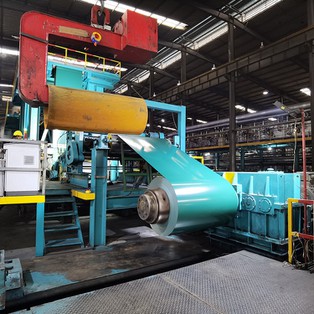
2: Which material performs better in terms of anti-corrosion and heat resistance?
Answer: The comprehensive performance of hot-dip galvanizing is significantly better than that of ordinary hot-dip galvanizing.
Anti-corrosion performance: The corrosion resistance of hot-dip galvanized sheets is 2 to 6 times that of ordinary hot-dip galvanized sheets. This is due to the dense protective layer formed by its high aluminum content, which can more effectively block corrosive media.
Heat resistance: Hot-dip galvanized sheets are better and will not be seriously oxidized when used continuously or intermittently at temperatures up to 490°C, while hot-dip galvanized sheets are more likely to change color at high temperatures.
Heat reflectivity: The ability of hot-dip galvanized panels to reflect heat and light is approximately twice that of hot-dip galvanized panels, making it an ideal choice for thermal insulation and energy-saving building materials.
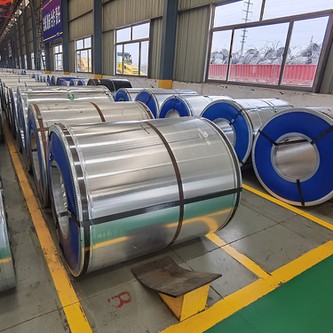
3.How to choose in different acid-base environments?
Answer: It needs to be selected according to the specific environment. Not one material is better in all environments.
Acid resistance: In acidic environments, hot-dip aluminum zinc (GL) performs better.
Alkali resistance: In alkaline environments, hot-dip galvanizing (GI) has more advantages. Therefore, it is necessary to avoid prolonged contact of hot-dip galvanized materials with alkaline substances such as wet wood and concrete.
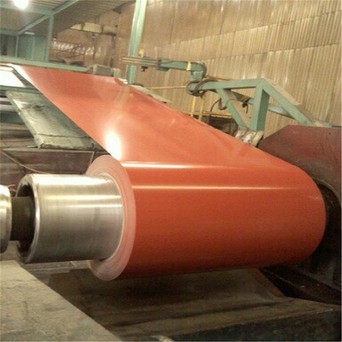
4.What is the difference between the processing performance and welding performance of the two?
Answer: Generally speaking, there is not much difference, but each has its own characteristics.
Processing performance: Both have good processability and are suitable for various forming processes such as bending and stamping. However, compared with the pure zinc layer, the aluminum-zinc alloy layer is harder and more brittle, and care must be taken to prevent the coating from cracking during severe deformation.
Weldability: Both have good weldability. However, due to different alloy compositions, welding parameter settings (such as current and time) may need to be fine-tuned to obtain the best quality.
5.According to the application scenario, how to choose between hot-dip galvanizing and hot-dip galvanizing?
Answer: Based on the above performance differences, the selection suggestions are as follows:
Scenarios for choosing hot-dip galvanizing (GI): Used in general atmospheric environments, such as building roofs, walls, and steel structure factories; projects that are cost-sensitive and not harsh in corrosive environments; and used in alkaline environments.
Scenarios for choosing hot-dip aluminum zinc (GL/55% Al-Zn): used in highly corrosive environments, such as coastal areas and industrial pollution areas; used in components that require high temperature resistance, such as chimneys and oven components; used in buildings with energy-saving and heat insulation requirements; and used in acidic environments.