


1.What are the mechanistic effects of dust on mold sticking and related problems?
As an abrasive, it directly damages molds and products.
Scratching products: Hard dust particles (such as iron oxide powder and environmental dust) will leave scratches on the surface of the sheet metal, affecting the product's appearance and coating adhesion.
Accelerating mold wear: Under high pressure, dust becomes an "abrasive paste," scratching the precision working surfaces of the mold (especially polished mirror surfaces), damaging its smoothness. Once micro-scratches appear on the mold surface, material adhesion is more likely to occur, creating a vicious cycle.
Disrupting lubrication, leading to localized high temperatures and melting.
Isolating lubricant: Dust physically separates the mold and the sheet metal, preventing lubricating oil or lubricating film from forming an effective protective layer.
Absorbing lubricant: Some fine dust particles absorb lubricating oil like a sponge, rendering it ineffective.
Consequences: In poorly lubricated areas, friction increases sharply, generating localized instantaneous high temperatures. When the temperature reaches a certain level, the micro-protrusions on the sheet metal surface will "cold weld" or micro-melt with the mold surface, which is the starting point of mold sticking (roughening). Adhering material accumulates like a snowball, eventually forming raised bumps on the mold, which in turn can cause dents or severe scratches on subsequent products.
It also interferes with material flow, causing pressure concentration.
During forming processes such as stretching and bulging, dust particles can cause uneven material flow, creating abnormally high pressure points in localized areas, thus increasing the risk of sticking and breakage.
2.What are the main sources of dust?
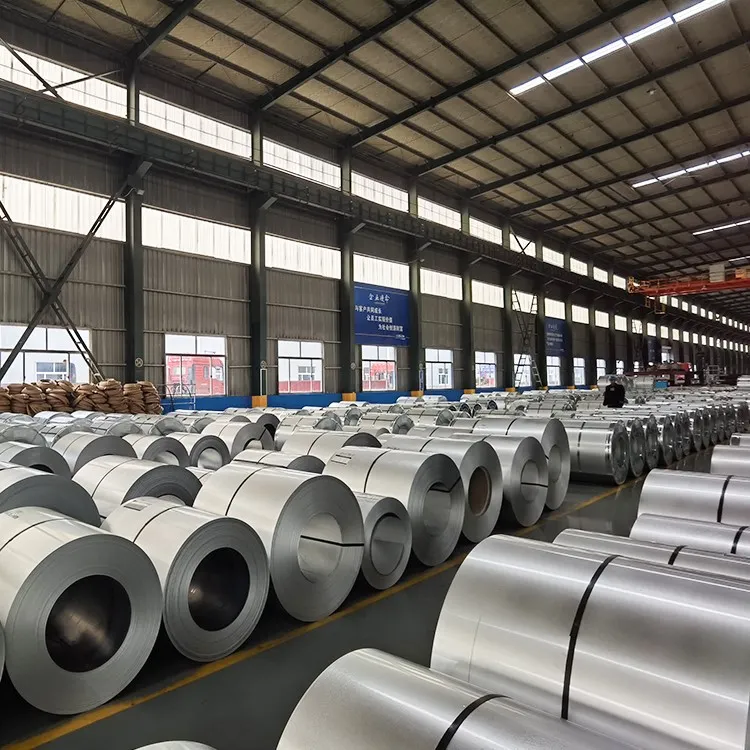
Rolling process residues: After rolling, cold-rolled coils may have extremely fine iron powder or rolling oil carbides remaining on their surface.
Rust-preventive oil carryover: If the rust-preventive oil itself is not clean or is improperly stored, impurities may be introduced.
Storage and transportation contamination: When exposed to air, it will absorb dust, fibers, etc. from the environment.
Workshop environment: If the workshop cleanliness is poor during uncoiling and feeding, secondary contamination can occur.

3.How to determine this?
Observe the sticking location: If sticking or scratches appear on the flat area of the mold or in areas with low pressure, and are random and discontinuous, it is very likely caused by dust or foreign objects.
Inspect the raw material: Wipe the surface of unused roll material with a clean white cloth or tape to check for obvious gray or black stains.

4.How to solve this?
Source Control (Most Important):
Procurement Requirements: Clearly specify surface cleanliness requirements to suppliers, citing relevant standards (e.g., regulations on residual weight).
Add Cleaning Process: For high-precision stamping (e.g., automotive exterior panels, electronic components), install a degreasing and cleaning machine before the stamping line to thoroughly remove dust and oil through brush rollers, spraying, and rinsing.
Process Control:
Workshop Environment Management: Maintain a clean stamping workshop, especially the material storage area and near the feeding line.
Install Wiping or Cleaning Devices: Install electrostatic precipitators, felt rollers, or adhesive rollers after uncoiling and before the feeder to clean the upper and lower surfaces of the sheet metal in real time online.
Ensure Lubrication Effectiveness: Use clean, high-quality dedicated stamping lubricating oil and ensure even application. Regularly clean the lubrication lines to prevent oil contamination.
Die and Maintenance:
Perform thorough cleaning and maintenance of dies regularly using appropriate die cleaners.
Consider applying a wear-resistant and friction-reducing coating (such as TD treatment or PVD coating) to the mold surface to enhance its anti-adhesion ability.
5.What reactions will dust on the surface of cold-rolled coils cause?
Dust on the surface of cold-rolled coils is no small matter; it is a hidden but extremely harmful "killer" in stamping production. It is not only a direct cause of die sticking, but it can also lead to product defects, die damage, and production downtime. For products with high precision and appearance requirements, the cleanliness of the sheet metal surface must be controlled as a critical process parameter. Investing in early cleaning procedures can often save significant costs later on in terms of die repair, product scrapping, and reduced production efficiency.