


1. Why can't galvanized coils be painted directly?
This is due to the unique characteristics of galvanized surfaces: smooth and reactive. Direct painting faces two major problems:
Chemical repulsion leading to saponification: Freshly galvanized surfaces are alkaline, while many common paints (especially alkyd paints) contain fatty acids. If painted directly, the acid in the paint will react with the zinc layer in a saponification reaction, similar to applying soapy water to a metal surface. This creates a saponified layer with almost no adhesion to the metal, causing the paint film to peel off in large patches.
Physical repulsion leading to coating peeling: The galvanized surface is very smooth and dense, lacking the rough pores for the paint to adhere. This results in extremely poor adhesion of ordinary paint, which can peel off in large patches with even slight contact.
Therefore, skipping the primer and painting directly not only fails to prevent corrosion but may also create a coating that is more prone to moisture accumulation and accelerates the powdering of the underlying zinc layer, creating a hidden danger.
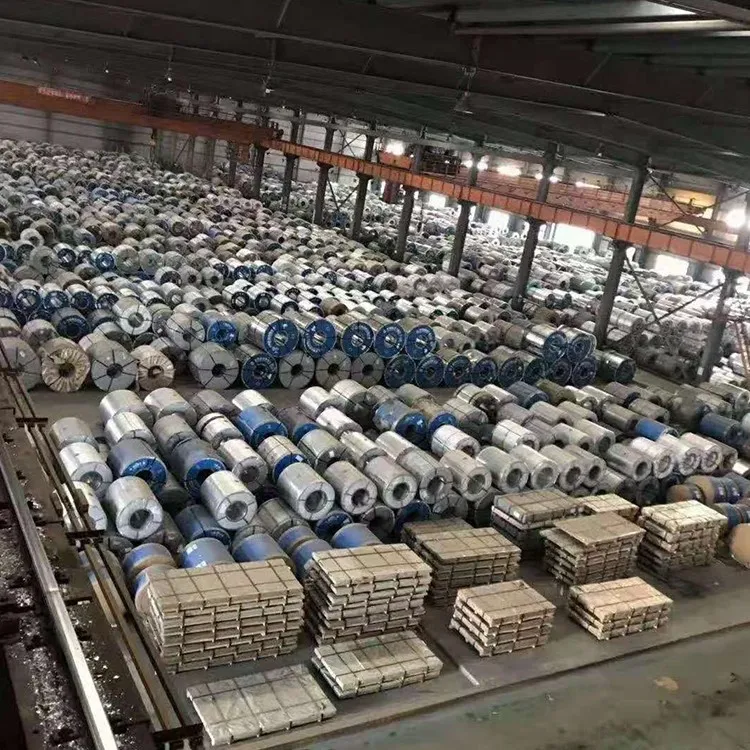
2. What is the essential function of priming before painting galvanized coils?
The essence of priming lies in constructing a dual protective system, not simply applying a layer of paint.
It acts as a "chemical isolation and conversion layer": Specialized primers firmly "grab" the zinc layer surface. Simultaneously, some primers (such as phosphating primers) react with zinc to form a transition film. This film not only prevents subsequent coatings from directly reacting with the zinc layer, causing adverse reactions such as "saponification," but also significantly improves interlayer adhesion.
It provides "long-lasting electrochemical protection": If the galvanized coil has localized damage at cutting, welding, or other points exposing the steel substrate, or if an epoxy zinc-rich primer is used, the high-purity zinc powder in it acts as a "sacrificial anode," corroding preferentially before the steel substrate, thus providing additional cathodic protection.
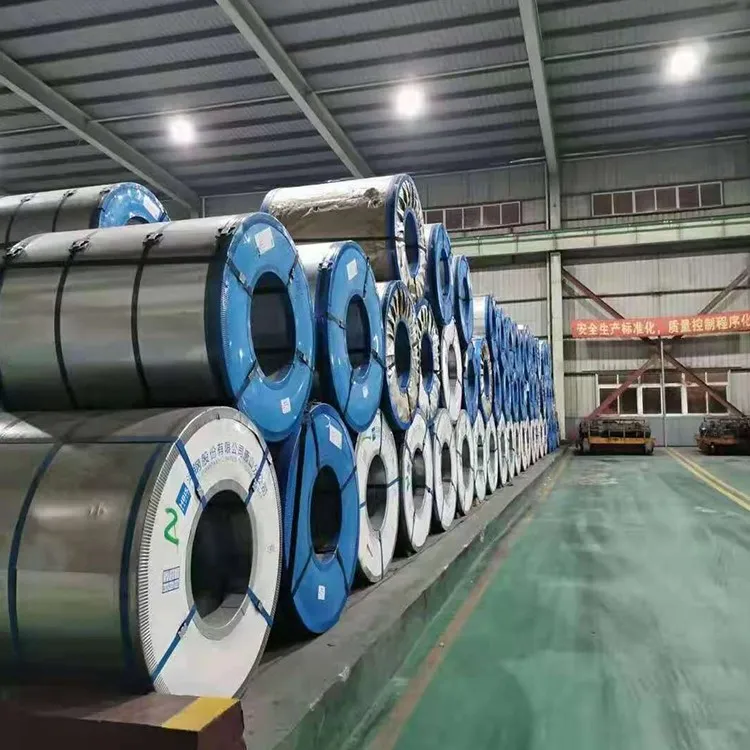
3. How to Choose the Right Primer? What are the Main Recommendations?
Choosing the wrong primer is a major cause of premature coating failure. Here are some proven, mainstream professional solutions:
Primer Type | Core Components | Main Features | Recommended Applications
Epoxy Zinc Yellow Primer | Epoxy resin, zinc yellow pigment | The preferred primer for galvanized steel, with excellent adhesion, good corrosion resistance, and effective prevention of saponification. | The most versatile choice for all non-extremely harsh industrial corrosion protection and surface coating applications.
Epoxy Zinc-Rich Primer | Epoxy resin, high-purity zinc powder (≥80%) | Provides excellent cathodic protection and extremely strong rust prevention. Note: Ensure the substrate is conductive during application. Not recommended for direct application to galvanized sheets with non-conductive coatings. | Suitable for heavy-duty corrosion protection applications, provided the galvanized layer can be sandblasted to ensure sufficient conductivity.
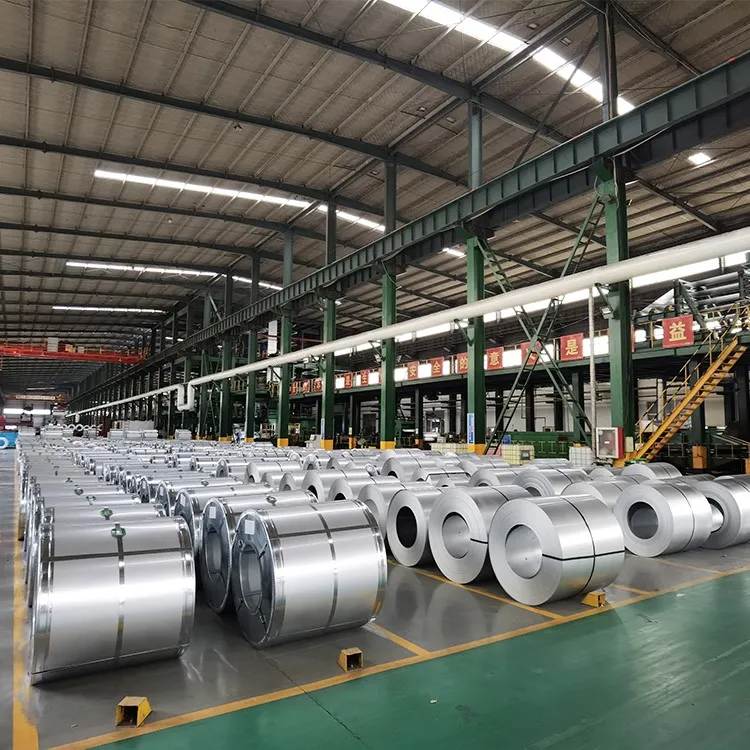
4. How important is surface preparation (pretreatment) before applying the base coat?
Surface preparation is crucial for long-term coating adhesion, even more so than the primer itself. For galvanized layers, special care must be taken to avoid excessive damage.
Core principle: The galvanized layer should generally not be damaged before painting, as the exposed steel substrate underneath is almost entirely unprotected by any paint.
Permissible treatment methods:
Light sanding (sandblasting or roughening): The purpose is to increase slight roughness, not to sand through the zinc layer. It is recommended to use 240-320 grit sandpaper, or a very gentle "sandblasting" treatment using 100-180 grit sandpaper and a sander. If zinc salts (white rust) appear on the galvanized layer, they must be thoroughly sanded away.
Thorough cleaning: Grease, dust, and fingerprints must be thoroughly removed using a neutral or alkaline degreaser. Any oil or grease is a major enemy of adhesion.
Repair and polishing: For areas damaged by welding, cutting, etc., it is necessary to polish until the metal shine is exposed, and then apply a base coat, focusing on covering these areas.
5. What is a standard coating process for galvanized coils?
The complete coating process may seem like it has many steps, but each step is indispensable.
Surface Cleaning: Thoroughly remove oil and dust.
Defect Repair: Grind exposed metal areas such as welded and cut surfaces.
Light Sanding (Roughening): Gently increase surface roughness using fine sandpaper (240-320 grit) or steel wool.
Cleaning and Drying: Thoroughly wipe with a clean cloth to ensure the surface is free of dust and sanding debris.
Coating Primer: Use recommended primer types such as epoxy zinc yellow primer.
Intermediate Coat (Optional): For high-requirement coatings, an epoxy micaceous iron oxide intermediate coat can be applied to increase film thickness and improve shielding effectiveness.
Topcoat: After the primer is completely dry, apply a polyurethane or fluorocarbon topcoat as needed.