


1. Why is pretreatment necessary before powder coating of galvanized coils, and what is its main objective?
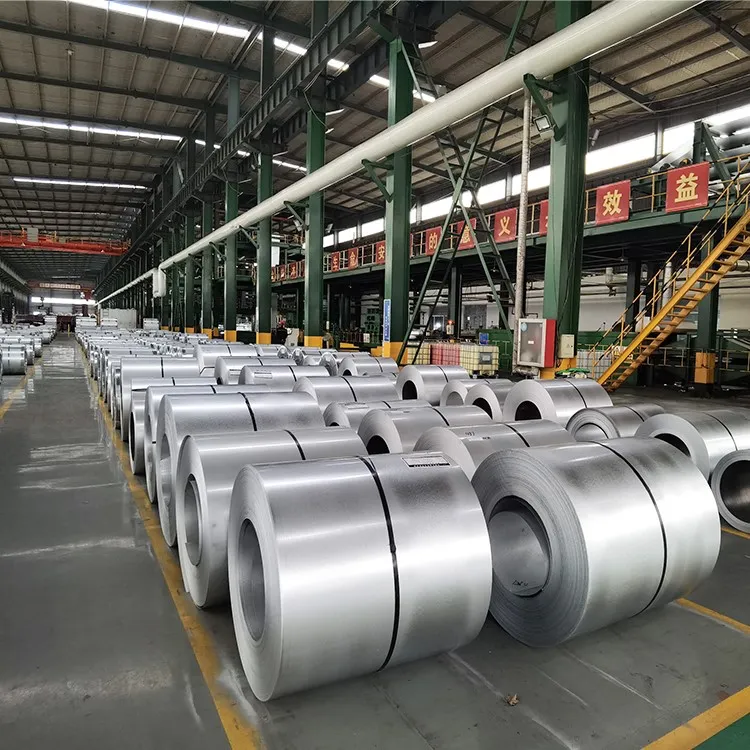
Due to its inherent characteristics, the surface of galvanized coils is not suitable for direct powder coating. The core objective of pretreatment is to overcome these two major obstacles, building a robust "bridge" between the galvanized layer and the powder coating:
Overcoming surface smoothness and high reactivity: The galvanized layer surface is very smooth and chemically reactive. Direct spraying leads to poor powder coating adhesion and may even cause a reaction resulting in coating peeling.
Building a transition layer to improve adhesion: Through pretreatment, a conversion film with microscopic roughness or specific chemical bonds is artificially generated on the galvanized layer surface. This film acts as a "mechanical hook" for powder coating adhesion, as well as an "isolation layer" and "chemical bridge" to prevent chemical reactions, significantly improving the adhesion between the coating and the substrate and the overall corrosion resistance.
2. Phosphating and passivation are both common pretreatment methods. How should one choose for powder coating?
Phosphating and passivation are two treatment methods with drastically different purposes and mechanisms, significantly impacting powder coating adhesion.
Passivation: Traditional passivation (such as chromate passivation) aims to provide short-term protection against white rust on the galvanized layer itself. The resulting smooth, dense, chemically inert film severely hinders powder coating adhesion. Therefore, when planning powder coating, it should be explicitly requested that the galvanizing plant not perform any type of passivation treatment. Although thin-layer chromium-free passivation specifically for coating has emerged in recent years, its process still requires mature verification.
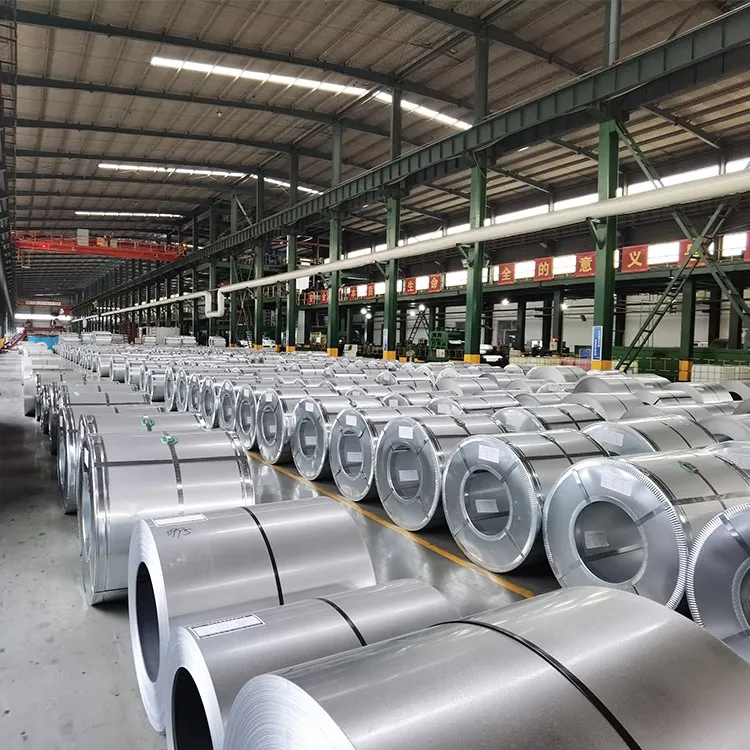
Phosphating: This is the most classic and reliable standard pretreatment process for powder coating. It forms a water-insoluble, porous, slightly rough phosphate crystal film on the surface of the galvanized layer. This intact crystalline film provides the ideal "anchoring" structure for the coating layer, thus achieving optimal adhesion.
3. Besides phosphating, what other effective surface treatment methods are available?
Besides chemical phosphating, physical treatments and novel chemical treatments can also provide a good foundation for powder coating adhesion.
Physical roughening treatment: This is another effective means of enhancing adhesion, especially suitable for situations where chemical phosphating is not possible or suitable.
Sandblasting treatment: Using non-metallic abrasives (such as brown corundum, quartz sand) to "sandblast" the galvanized surface can create a uniform and rough surface, providing excellent "mechanical gripping" force for the coating.
Emerging chemical treatment technologies (such as silane treatment): This is a newer pretreatment technology that is more environmentally friendly than phosphating, capable of forming an extremely thin organic-inorganic hybrid film on the surface. Although its process maturity and stability are not as high as traditional phosphating, it can still achieve good adhesion under strictly controlled conditions, making it particularly suitable for large-scale automated production lines.
Precautions: Silane treatment is extremely sensitive to process parameters; improper film weight control (such as excessive thickness) will severely degrade adhesion.
4. What are the key steps in a reliable powder coating process for galvanized coils?
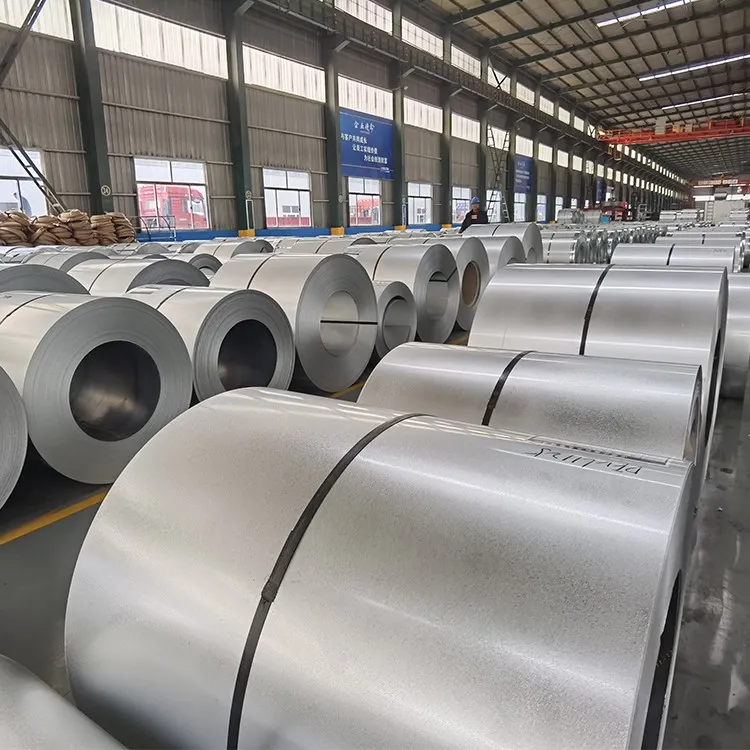
A complete, standardized powder coating process that guarantees final adhesion is as follows:
**Thorough Degreasing (Most Critical Step):** The workpiece must be thoroughly cleaned with an alkaline cleaning agent to remove all grease, dust, and fingerprints. Any residual oil is a major enemy of adhesion and will directly lead to adhesion failure after powder coating.
**Water Washing:** Multiple washes using pure water with a conductivity below 20 μS/cm are performed to remove residual cleaning agent from the workpiece surface, ensuring no chemical residue remains.
**Chemical Conversion Treatment (Forming a Phosphate Film):** This is the core step in forming strong adhesion. The clean workpiece is immersed in or passed through a phosphating bath to form a dense phosphate crystal film on the surface.
**Thorough Drying:** The phosphated workpiece is thoroughly dried to remove all moisture, ensuring the surface is completely dry.
**Electrostatic Powder Coating:** Electrostatic powder coating is applied to the dry, clean phosphate film surface.
High-temperature curing: The sprayed workpiece is placed in a curing oven for high-temperature baking, which melts, levels, and cross-links the powder coating, ultimately forming a hard coating.
5. How to scientifically verify and test whether the adhesion after powder coating meets the standards?
After powder coating, the adhesion needs to be verified using standard testing methods.
The most commonly used and authoritative testing method is the cross-cut adhesion test (100-grid test). The testing standards can be found in GB/T 9286 (domestic) or ISO 2409 (international). The specific operation and judgment criteria for this method are as follows:
Operation steps: Use a dedicated cross-cut adhesion tester to create a grid (usually a 10x10 grid of 1mm x 1mm) that penetrates the coating surface. Then, apply pressure-sensitive adhesive tape to the grid area and quickly peel it off.
Pass/Fail judgment criteria: A coating area ≤ 5% is rated as level 0, the highest level, representing excellent coating adhesion. Large areas of coating peeling indicate unacceptable adhesion.
Auxiliary testing methods: In addition to the cross-cut adhesion test, the pull-off test can also be used for quantitative analysis of adhesion strength. For components subjected to dynamic loads, impact or bending tests should also be conducted to check whether the coating will crack or peel off when subjected to deformation.