


1.What are the underlying principles of white rust and red rust?
Perfect Protection Mechanism: The galvanized layer protects the steel substrate in two ways:
Barrier Protection: A dense, intact zinc layer physically isolates the steel substrate from moisture and oxygen in the air.
Cathode Protection: When the galvanized layer suffers localized damage, zinc acts as a sacrificial anode, corroding preferentially over the steel, thus protecting the steel substrate.
Normal Oxidation Products (Beneficial): In dry air, zinc reacts with oxygen to form a very dense and hard zinc oxide (ZnO) film. This film adheres firmly to the zinc surface, preventing further oxidation and providing stability and protection.
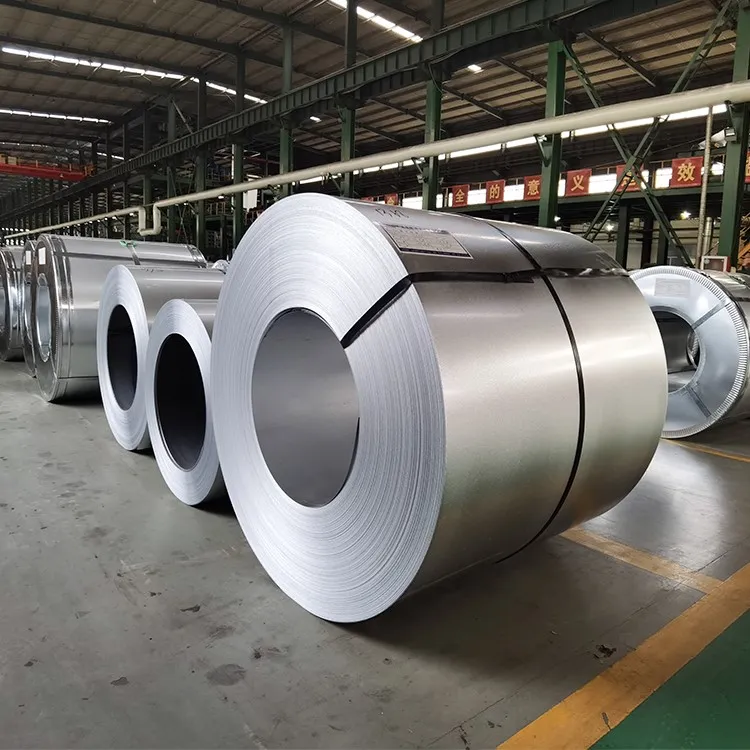
Harmful Oxidation Products (The Problem): When galvanized coils are in humid, poorly ventilated environments (especially during storage or transportation), a water film condenses on the surface. Zinc reacts with water and carbon dioxide in the air to form a loose, porous, and brittle white corrosion product, mainly composed of basic zinc carbonate Zn₅(CO₃)₂(OH)₆, commonly known as "white rust."
2.Why does white rust lead to a decrease in corrosion resistance?
Barrier Degradation:
An ideal zinc oxide film is a dense barrier, while white rust is loose and porous. This white rust layer cannot effectively isolate moisture and oxygen, which can easily penetrate the rust layer and continue to react with the underlying zinc.
This means that corrosion will continue, and the zinc layer will be constantly consumed.
Loss of Cathodic Protection:
The cathodic protection capability of a zinc plating layer depends on its thickness. The formation of white rust is the process of zinc layer consumption.
White rust itself does not function as a sacrificial anode. As the zinc layer thins due to white rust, its overall corrosion protection life (especially the cathodic protection capability at scratches) will be significantly shortened.

3.What determines the extent of the impact?
Severity of White Rust:
Slight White Rust: Only a small amount of white powder on the surface, which can be wiped off by hand or cloth; the underlying zinc layer remains intact. Minimal impact on corrosion resistance.
Moderate White Rust: The surface is covered with a thicker layer of white deposits. After cleaning, the zinc layer appears dull and rough, indicating significant damage.
Severe White Rust: White deposits accumulate. After cleaning, pits appear on the zinc layer surface, and in some areas, the zinc layer is completely corroded, exposing the steel substrate and accompanied by red rust. Corrosion resistance is severely reduced, even leading to failure.
Subsequent Use Environment:
If galvanized coils with white rust are subsequently used in harsh environments (such as high humidity, industrial atmospheres, or coastal areas), corrosion will accelerate from the rusted areas, significantly reducing lifespan.
If used in a dry indoor environment, the impact of slight white rust is relatively small.
4.How to prevent it?
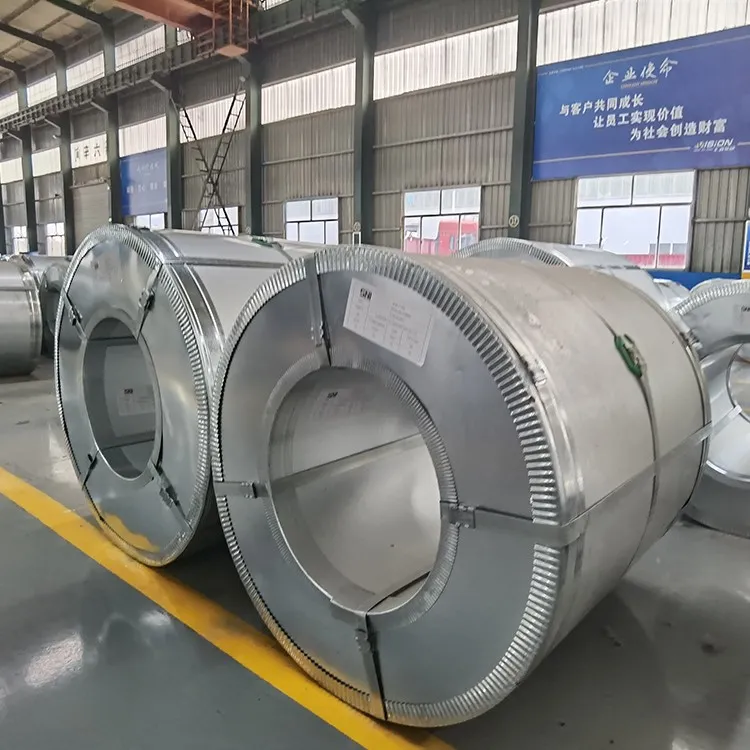
Storage: Store galvanized coils in a dry, well-ventilated indoor warehouse, avoiding direct contact with exposed steel parts (which may produce condensation).
Transportation: Ensure adequate rain and moisture protection during transportation.
Stacking: Separate coils with wooden blocks to ensure air circulation and prevent "crack corrosion".
5.How to handle this?
Slight white rust: Can be cleaned with a stiff-bristled brush and a clean cloth. For more demanding applications, it can be neutralized with a weak acid solution (such as 5% acetic acid), then rinsed with water and thoroughly dried. Afterward, most of its anti-corrosion properties will be retained.
Moderate to severe white rust: Requires mechanical cleaning with a stiff brush, scouring pad, or fine sandpaper until the intact zinc layer is exposed. After cleaning, it is recommended to apply zinc-rich paint to the damaged area to restore its anti-corrosion ability.
Red rust has formed: Indicates that the local zinc plating has completely failed. The rust must be thoroughly sanded off, then a rust-preventive primer and zinc-rich paint should be applied.