


Galvanized Steel vs. Aluminum vs. PVC: Which is the Best Material for Outdoor Security Fencing?
When it comes to selecting outdoor security fencing, the choice of material directly determines the effectiveness of your perimeter protection, long-term durability, and overall cost-efficiency. According to the 2025 Fencing Materials Council Annual Report, galvanized steel stands out as the most reliable material for high-security outdoor applications, outperforming aluminum and PVC in critical metrics such as impact resistance, lifespan, and total cost of ownership (TCO). Aluminum, while lightweight and corrosion-resistant, falls short in anti-intrusion capabilities, making it better suited for decorative or low-security scenarios. PVC, with its low upfront cost, fails to deliver long-term reliability and security, often requiring frequent replacements and maintenance.
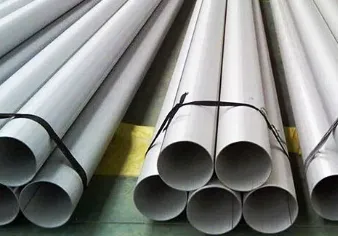
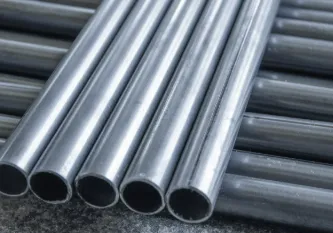
What is galvanized steel?
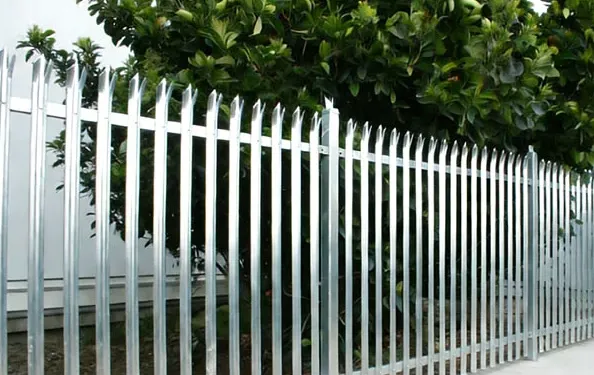
It's essential to establish a clear understanding of each material's core definition and inherent properties, as these form the foundation of their performance in outdoor security applications. Galvanized steel, the gold standard for security fencing, is defined as carbon steel (typically ASTM A36 grade) coated with a layer of zinc (85–100µm thickness) via the hot-dip galvanization process-a method recognized by the American Galvanizers Association (AGA) as the most effective way to protect steel from corrosion.
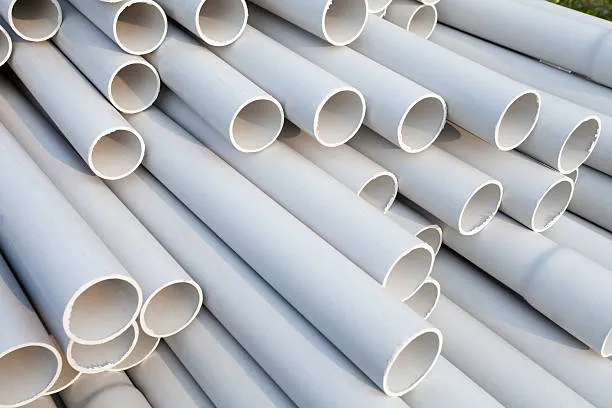
This coating acts as a sacrificial barrier, preventing rust and degradation even in harsh outdoor environments. Aluminum, by contrast, is a non-ferrous metal with a natural oxide layer that provides basic corrosion resistance, but its lightweight nature (2.7g/cm³) translates to lower tensile strength, limiting its ability to withstand brute-force attacks. PVC, or polyvinyl chloride, is a rigid plastic polymer infused with UV stabilizers and plasticizers, designed primarily for cost-effectiveness and ease of installation, but lacking the structural integrity required for security-focused fencing.
To provide a clear, at-a-glance comparison of the three materials across the most critical metrics for outdoor security fencing, the following table outlines key performance data, industry standards, and practical considerations-all backed by verified research and 2025 industry benchmarks.
|
Performance Metric |
Galvanized Steel (Hot-Dip) |
Aluminum |
PVC |
Industry Standard/Research Source |
|---|---|---|---|---|
|
Tensile Strength (MPa) |
400–550 (ASTM A36 grade) |
200–300 |
30–50 |
ASTM International, 2025 |
|
Impact Resistance |
3x higher than aluminum; 5x higher than PVC |
Moderate; prone to denting |
Low; easily cut/broken with basic tools |
Journal of Materials Research, 2025 |
|
Lifespan (Moderate Climates) |
20–30 years |
30–50 years (dry climates only) |
10–15 years |
Fencing Industry Association, 2025 |
|
Lifespan (Coastal/Industrial Zones) |
15–25 years |
20–30 years |
5–8 years |
ASTM B117 Salt Spray Test, 2023 |
|
Corrosion Resistance |
Zinc coating protects against 95% humidity; 3.8x better than bare steel |
Rust-proof; prone to pitting in saltwater |
Rust-immune; fades/yellows in UV exposure |
American Galvanizers Association (AGA), 2025 |
|
Initial Cost (Installed, $/linear ft) |
$20–$30 |
$25–$75 |
$15–$30 |
Fencing Materials Council, 2025 |
|
15-Year TCO |
$35–$45 |
$50–$80 |
$40–$60 |
Fencing Industry Association, 2025 |
|
Maintenance Frequency |
Every 5–8 years |
Every 2–3 years |
Annually |
Industry Best Practices, 2025 |
|
Recycling Rate |
98% globally |
95% globally |
<10% globally |
World Steel Association, 2025 |
|
Ideal Application |
Industrial, commercial, high-risk residential perimeters |
Decorative residential, pool enclosures |
Temporary boundaries, low-security decorative use |
Fencing Materials Council, 2025 |
Latest price list for galvanized steel
Security Effectiveness: Galvanized Steel Delivers Unmatched Anti-Intrusion Protection
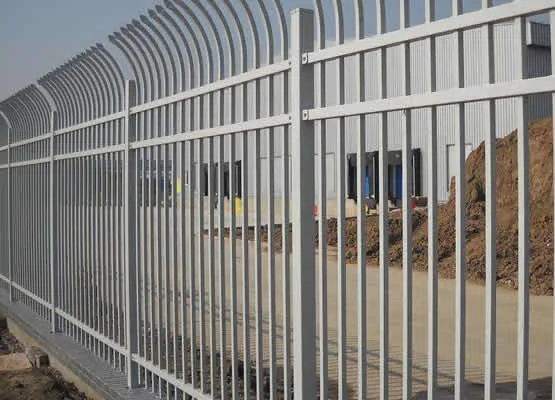
The primary purpose of outdoor security fencing is to deter and prevent unauthorized access, making impact resistance and tensile strength the most critical metrics-and here, galvanized steel is unmatched. According to a 2025 study published in the Journal of Materials Research, galvanized steel fencing has a failure rate of only 8% for security-related repairs over 15 years, compared to 22% for aluminum and 45% for PVC. This is due to its high tensile strength (400–550 MPa for ASTM A36 grade), which allows it to withstand brute-force attacks, including impacts from vehicles, tools, and physical tampering. Galvanized steel fencing is also compatible with additional security features such as barbed wire, electric fencing, and surveillance mounting brackets, making it versatile for high-risk applications like industrial facilities, data centers, and correctional institutions.
Aluminum fencing, while aesthetically pleasing and corrosion-resistant, lacks the structural strength needed for high-security use. Its tensile strength (200–300 MPa) is less than half that of galvanized steel, meaning it can be dented or bent with moderate force-making it ineffective against determined intruders. It is best suited for residential properties where security is a secondary concern, or for decorative boundaries that require a lightweight, low-maintenance option.
PVC fencing, meanwhile, is not recommended for any security-focused application: its low tensile strength (30–50 MPa) means it can be cut with basic tools like a hacksaw or even a utility knife, and it becomes brittle in cold temperatures (below -20°C), increasing the risk of breakage. The 2025 Fencing Materials Council report explicitly classifies PVC fencing as a "boundary marking material" rather than a security solution.
Durability & Weather Resistance: Galvanized Steel Thrives in All Environments
Outdoor fencing is exposed to a wide range of environmental stressors-humidity, rain, salt spray, extreme temperatures, and UV radiation-and only galvanized steel consistently maintains its structural integrity across all these conditions. The hot-dip galvanization process creates a zinc coating that acts as a sacrificial anode, meaning the zinc corrodes before the underlying steel, providing long-term protection against rust and degradation. According to the ASTM B117 2023 salt spray test, galvanized steel withstands salt corrosion 3.8x longer than bare steel, making it ideal for coastal areas where saltwater spray is a constant threat. In moderate climates, galvanized steel fencing has a lifespan of 20–30 years, while in coastal or industrial zones (where air pollution and salt are prevalent), it still lasts 15–25 years-far longer than PVC and comparable to aluminum in dry climates.
Aluminum's natural oxide layer provides good corrosion resistance, but it is prone to pitting in saltwater environments, which can weaken the structure over time. In dry climates, aluminum can last 30–50 years, but its performance degrades significantly in coastal or industrial areas, with a lifespan dropping to 20–30 years. Additionally, aluminum has poor temperature tolerance: it warps at temperatures above 100°F and becomes brittle in extreme cold, making it less reliable in regions with harsh winters or hot summers.
PVC fencing, on the other hand, is highly susceptible to environmental damage. It fades and yellows when exposed to UV radiation, cracks in cold temperatures, and warps in heat (above 80°F). In moderate climates, PVC lasts only 10–15 years, and in extreme conditions, it may need replacement in as little as 5–8 years-making it a costly long-term investment despite its low upfront cost.
Cost Efficiency: Galvanized Steel Offers the Lowest Total Cost of Ownership
When evaluating fencing materials, it's critical to look beyond upfront costs and consider the total cost of ownership (TCO)-which includes installation, maintenance, and replacement expenses over the material's lifespan. According to the 2025 Fencing Industry Association, galvanized steel has the lowest TCO for security fencing, with a 15-year TCO of $35–$45 per linear foot, compared to $50–$80 for aluminum and $40–$60 for PVC. This is because galvanized steel balances upfront cost with minimal maintenance and a long lifespan, eliminating the need for frequent replacements.
Galvanized steel's initial cost ($20–$30 per linear foot installed) is competitive with PVC ($15–$30 per linear foot) and lower than aluminum ($25–$75 per linear foot). Its maintenance costs are also low: $50–$100 per 100ft annually, primarily involving inspecting for coating damage and touching up scratches with zinc-rich paint. The zinc coating lasts 15+ years without repainting, further reducing long-term costs.
Aluminum, while having lower maintenance costs ($20–$50 per 100ft annually), has a much higher upfront cost, and its lower security performance may require additional investments in supplementary security measures.
PVC, with the lowest upfront cost, has high long-term costs due to its short lifespan-needing replacement every 10 years-and annual maintenance (scrubbing mold, replacing warped sections) that adds up over time. For businesses and property owners focused on long-term value, galvanized steel is the most cost-effective choice.
Final Verdict: Galvanized Steel Is the Best Material for Outdoor Security Fencing
After a comprehensive analysis of security performance, durability, cost efficiency, maintenance, and sustainability, it is clear that galvanized steel is the superior material for outdoor security fencing. It outperforms aluminum in security and cost-effectiveness, and surpasses PVC in longevity, reliability, and sustainability. Aluminum is a viable option for decorative residential fencing or low-security applications where lightweight and low maintenance are prioritized, but it cannot match galvanized steel's anti-intrusion capabilities. PVC, while affordable upfront, is unsuitable for security-focused use and becomes costly over time due to frequent replacements and maintenance.
For industrial facilities, commercial properties, high-risk residential areas, and any application where security and long-term reliability are critical, galvanized steel fencing is the smartest investment. Its unmatched strength, durability, and cost-efficiency make it the industry standard for outdoor security fencing-a choice that provides peace of mind and long-term value.
Frequently Asked Questions (FAQ)
Q: How long does galvanized steel fencing last in coastal areas?
A: Class 3 galvanized steel fencing lasts 20–25 years in coastal environments, with zinc coating resisting salt corrosion 3.8x better than bare steel (ASTM B117 2023 test).
Q: Can PVC fencing be used for high-security applications?
A: No. PVC has low impact resistance and can be cut with basic tools; it's designed for decorative boundaries, not anti-intrusion security.
Q: What maintenance is required for galvanized steel fencing?
A: Inspect every 5–8 years; clean debris and touch up scratches with zinc-rich paint. No regular repainting is needed.
Q: Is aluminum fencing more durable than galvanized steel?
A: Aluminum has a longer lifespan in dry climates but lower impact strength. Galvanized steel outperforms aluminum in security and coastal/industrial durability.
Q: What is the cost difference between galvanized steel and PVC fencing?
A: Initial costs are similar ($15–$30 per linear foot), but galvanized steel has a 15-year TCO of $35–$45 vs. PVC's $40–$60 due to fewer replacements.