


1. Q: What exactly are "processed" cold-rolled coils?
A: Processed cold-rolled coils refer to steel coils that, during factory inspection, failed to meet the original product standards for a certain quality indicator, but were determined to still have some use value and are sold at a discounted price. It is an independent quality grade between standard and scrap products.

2. Q: What kind of defects would cause cold-rolled coils to be deemed as scrap?
A: Cold-rolled coils are usually deemed as scrap due to one or more of the following defects, but the degree of the defects is not severe enough to warrant scrapping:
(1) Surface Defects
Minor scratches/abrasions: Depth does not exceed the allowable range and does not affect subsequent coating or processing
Local rust: Slight oxidation on the edge or surface, can be used again after polishing
Roll marks/indentations: Slight roll marks, not forming a noticeable feel
Oil spots/color differences: Localized uneven color caused during annealing or leveling
(2) Dimensional and Shape Defects
Thickness deviation: Thickness at the beginning, end, or edge exceeds the tolerance range, but is still within the acceptable range of adjacent specifications
Insufficient width: Width is less than the order requirement, but still meets the next level standard width
Poor shape: Slight waviness (middle waviness, edge waviness) or sickle bend, which can be eliminated by straightening or slitting.
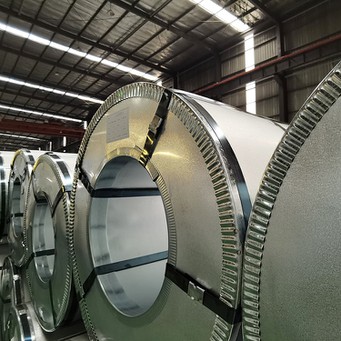
3. Q: How is the quality of treated goods described and communicated? How can buyers determine its usability?
A: The most crucial aspect of treated goods transactions is the transparent communication of quality information. Reputable steel mills selling treated goods will provide the following information:
(1) Treated Goods Quality Certificate
Indicates the original grade and the actual assessment result
Clearly lists the "reason for downgrading" (e.g., "surface scratches," "thickness deviation")
Attaches actual test data (chemical composition, mechanical properties, etc.)
Marked with the words "treated goods" and suggestions for applicable scenarios
(2) Defect Description and Illustration
Marks the location (edge/center), shape (dot/strip), and severity of surface defects
Some steel mills provide defect photos or videos to facilitate remote assessment by buyers.

4. Question: How is the value of disposed items calculated?
Level 1 Finished Product: Minor surface defects, performance acceptable. 80%-85% of genuine product price. Can be used as a substitute for lower-grade genuine products.
Level 2 Finished Product: Obvious surface defects or dimensional deviations. 70%-80% of genuine product price. Requires trimming or downgrading.
Level 3 Finished Product: Slightly lower performance or multiple defects. 60%-70% of genuine product price. Only suitable for low-requirement applications.
5. Question: What is the role of processed goods in the industry?
For steel mills: Reducing scrap losses and converting potentially obsolete products into sales revenue can typically recover 60%-80% of the value of the original products.
For buyers: Obtaining usable raw materials at 20%-40% lower prices than the original products reduces manufacturing costs and enhances price competitiveness.
For the industry: Achieving tiered utilization of steel products reduces resource waste and aligns with the principles of a circular economy.