


Q:If the corrosion resistance of the galvanized layer is insufficient, what harm will it cause to the car?
A:If the corrosion resistance of the zinc coating is insufficient, rust holes will form in the body floor, door frame and other parts due to electrochemical corrosion (metal contact with water and oxygen), resulting in a decrease in the structural bearing capacity.
If the coating in the welding area is damaged and is not repaired by zinc supplementation or coating, the weld will corrode first (crevice corrosion), resulting in a decrease in the rigidity of the body, which may cause abnormal noise or breakage risks when driving at high speeds.

Q:What are the effects of functional component failure?
A:Chassis suspension system:
After the shock absorber support, spring tray and other parts are corroded, the suspension parts may fall off due to insufficient strength, causing a loss of control accident. Data shows that corrosion of chassis parts is one of the main causes of suspension failures in old cars over 10 years old (accounting for about 35%).
Fuel/brake system:
Rust on the fuel pipe bracket may puncture the pipeline and cause oil leakage;
Corrosion on the brake pedal bracket will cause abnormal pedal travel and affect braking efficiency.
This type of hidden danger is often ignored due to its high concealment, becoming a safety killer for old cars.

Q:How to improve the corrosion resistance of vehicle body structural parts?
A:High-risk areas: Door lower edge, wheel arch inner side, chassis longitudinal beam and other parts prone to water accumulation, using double-sided 20μm hot-dip galvanized steel plate or zinc-aluminum-magnesium coating, combined with weld sealant, can delay the onset of corrosion to 8-10 years.
Lightweight trend: The third-generation hot-formed galvanized steel plate (such as 1500MPa grade) uses coating alloying technology (zinc layer contains 11% iron) to simultaneously improve tensile strength and corrosion resistance. It is used in key structures such as A-pillars and door sill beams, which can ensure 10 years of structural rust-free.
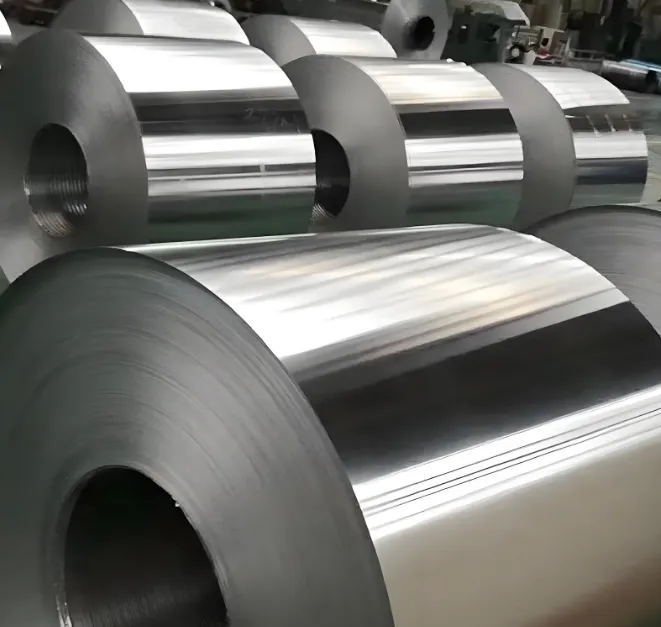
Q:Will galvanized coils be used in new energy vehicle batteries?
A:Battery pack shell: 5μm zinc-aluminum-magnesium coated steel plate is used, combined with chromium-free passivation process, the salt spray test can reach 1500 hours without red rust, meeting the 10-year maintenance-free requirement of the battery pack. If the coating is damaged, the anti-corrosion performance can be restored by local zinc powder repair agent to avoid the risk of battery short circuit caused by electrolyte leakage.
Q:How does the undercarriage system improve the corrosion resistance of galvanized coils?
A:Stone impact resistant design: The chassis steel plate adopts rough surface galvanizing process (surface roughness Ra 6-10μm) to enhance the coating adhesion. Combined with chassis armor spraying, it can resist more than 90% of the coating damage caused by stone impact.
Differential thickness coating application: For parts with severe corrosion on one side, such as suspension brackets, single-side 12μm + other side 8μm galvanizing is adopted. Under the premise of increasing the cost by 5%, the corrosion resistance life is increased by 30%.