


Q:What are the requirements for galvanized coils for car body structural parts?
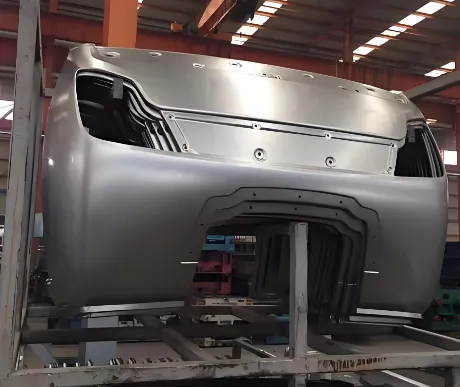
A:Body frame and cover
Use hot-dip galvanized steel sheet (GI) or zinc-iron alloy coated steel sheet (GA), the coating thickness is usually 5-15μm, and higher coating (such as 20μm) may be used in coastal or high humidity areas.
The substrate strength ranges from low carbon steel (yield strength ≤ 210MPa) to high strength steel (such as 590MPa grade), meeting the requirements of lightweight and collision safety.
Chassis and suspension system
Need to withstand road impact and stone splash, hot-dip galvanized steel sheet with excellent stone impact resistance is preferred, the coating has strong adhesion and is not easy to fall off due to impact.
Some parts use double-sided differential thickness galvanizing process to strengthen protection for the side with higher corrosion risk.
Q:What are the requirements for galvanized coils in automotive parts applications?
A:Power system related parts
Intake manifold bracket, engine suspension bracket, etc., use high temperature resistant galvanized steel plate (plating melting point ≥ 450℃) to resist high temperature and oil corrosion in the engine compartment.
Exhaust system
Use aluminum-zinc alloy coated steel plate (such as 55% Al-Zn, commonly known as aluminum-zinc plating), which can withstand temperatures of up to 450-600℃ and resist sulfide corrosion in exhaust gas.
The internal partition of the muffler uses fingerprint-resistant galvanized coils to prevent oil from affecting the welding quality during assembly.
Fuel system
Use electro-galvanized steel plate (EG) or hot-dip galvanized steel plate, the inner wall needs to be rust-proofed to ensure the cleanliness of the fuel, and the external coating prevents erosion from muddy water on the road.

Q:What are the special requirements for galvanized coils for automotive interior parts?
A:Application areas: seat frames, instrument panel brackets, door interior panel frames, and central armrest structures.
Technical points: Electrogalvanized steel sheets or fingerprint-resistant hot-dip galvanized coils are preferred, with smooth surfaces and no zinc flowers, which are convenient for subsequent covering with leather, fabric, or injection molding.
Moving parts such as seat rails require a stable friction coefficient of the galvanized layer to avoid jamming or abnormal wear.

Q:What are the special requirements for galvanized coils for automotive exterior parts?
A:Bumper frame: It is made of hot-dip galvanized steel plate and used as the support structure of the plastic bumper to prevent rust and cracking in a humid environment.
Luggage rack and wheel hub cover bracket: The surface needs to be flat. The zinc spangles can be eliminated through the smooth galvanizing process (flat roller pressing) to improve the appearance quality after electroplating or spraying.
Q:What is the key impact of galvanized coil on automobile performance?
A:Anti-corrosion life: Rational selection of galvanizing process and coating thickness can extend the anti-corrosion life of the automobile body to 10-15 years (coastal areas) to more than 20 years (inland dry areas).
Manufacturing efficiency: Galvanized coils have good formability and weldability (such as less welding spatter of GA coating), are suitable for automated stamping lines and robot welding, and improve vehicle assembly efficiency.
Cost control: Compared with stainless steel or aluminum alloy, galvanized coils are 30%-50% cheaper and are the preferred material for balancing performance and economy.