


1. Is the service life of galvanized coils in industrial areas 10 years or 30 years?
In typical industrial areas or moderately polluted urban environments, the service life of ordinary hot-dip galvanized coils is roughly between 15 and 25 years. This range exists because the environment of an "industrial area" varies greatly. For example, in a typical light industrial area or industrial park, its service life can reach around 25 years; while in heavily polluted heavy industrial areas with high sulfur dioxide concentrations, its service life may be shortened to less than 15 years, or even lower. For reference, in suburban areas with very little pollution, the same coating may achieve a maintenance-free life of over 50 years.
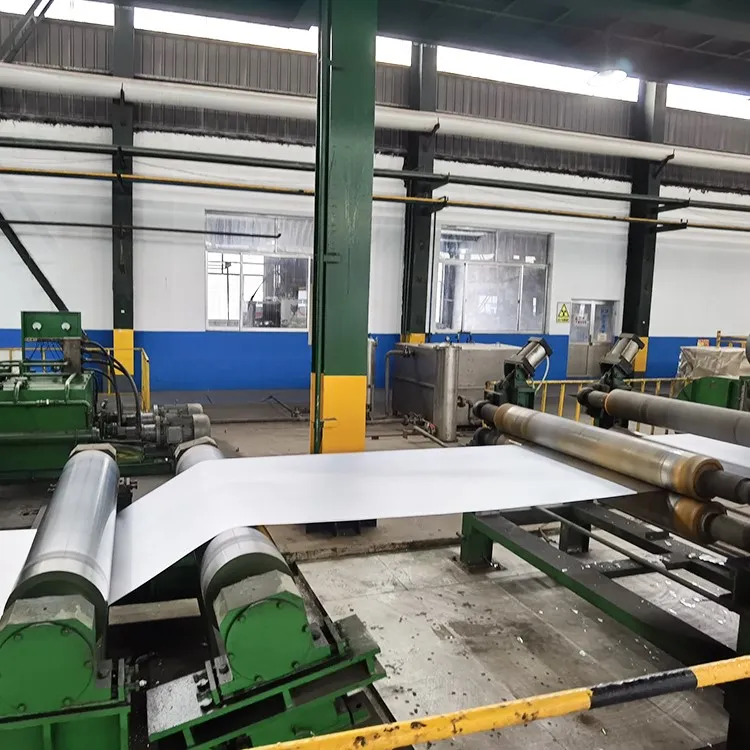
2.What factors actually shorten the lifespan of galvanized coils?
You can think of the lifespan of galvanized coils as a war of attrition, with the following three main adversaries:
Industrial air pollution: This is the number one enemy in industrial areas. Sulfur dioxide, nitrogen oxides, and other pollutants in the air form acid rain, accelerating the destruction of the dense protective film on the zinc coating, making its corrosion rate much higher than in natural environments.
Climatic conditions: High humidity is a catalyst for corrosion. At the same time, in rainy areas in the south or in areas with large temperature differences between day and night leading to frequent condensation, the continuous humid environment will also significantly shorten its lifespan.
Physical damage: Scratches and bumps during transportation or installation are like tearing through the "armor" of the zinc coating, exposing the underlying steel substrate, causing rust to spread rapidly from the wound.
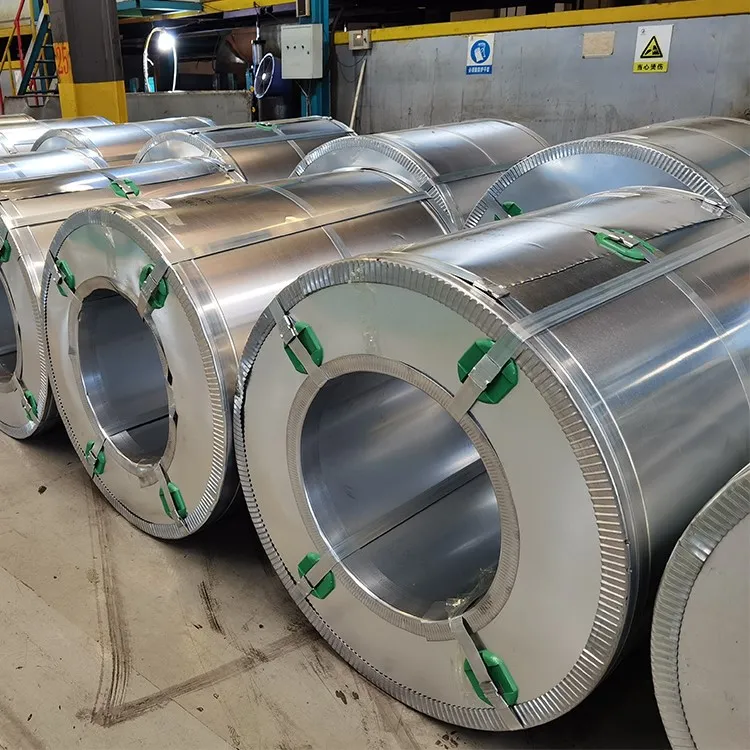
3. Does a thicker zinc coating necessarily mean a longer service life?
Yes, under the same conditions, zinc coating thickness and service life are generally proportional. This relationship can be estimated using a simple formula:
Theoretical Service Life ≈ Zinc Coating Thickness (μm) ÷ Annual Corrosion Rate of the Environment (μm/year)
For example, according to the national standard GB/T 13912, the annual corrosion rate of hot-dip galvanized coatings in industrial atmospheric environments is approximately 1 to 2 micrometers. Therefore, a hot-dip galvanized coil with a zinc coating thickness of 85 micrometers (approximately 600 g/m²) has a theoretical service life in a typical C4-level industrial environment: 85 (micrometers) ÷ 4.2 (maximum annual corrosion rate) = approximately 20 years, or 85 (micrometers) ÷ 2.1 (minimum annual corrosion rate) = approximately 40 years.
In actual use, proper selection and maintenance can allow an 85-micrometer zinc coating to achieve reliable service for over 20 years in a C3-level urban industrial environment.
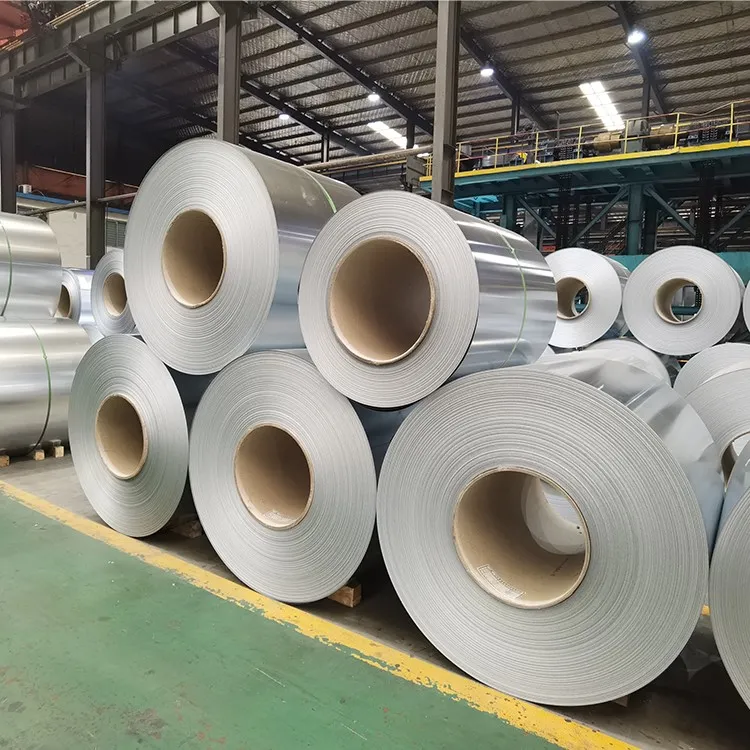
4. Galvanized Coil vs. Color-Coated Sheet: Which Lasts Longer in the Same Industrial Zone?
Generally, in industrial environments, color-coated sheet (color-coated steel sheet) with a complete coating lasts longer than ordinary galvanized coil.
This is because color-coated sheet has an additional organic coating applied over the hot-dip galvanized substrate. This extra layer not only provides physical insulation but also resists UV rays and chemical corrosion through its weather resistance, offering double protection for the internal zinc layer. Therefore, data shows that the service life of color-coated steel sheet is about 50% longer than that of ordinary galvanized steel sheet. Many color-coated sheet products can guarantee a service life of over 20 years in ordinary industrial or suburban environments.
5. What can users do to extend the service life of their galvanized sheets?
Of course. The following are generally recognized effective methods:
Choose the right "armor": Select a sufficient galvanized layer thickness based on the actual environmental level of the industrial area (e.g., refer to ISO 12944 standard). In industrial areas, a galvanized layer thickness of ≥85 micrometers is recommended; for severely polluted areas, ≥100 micrometers should be considered.
Regular "check-ups" and cleaning: It is recommended to conduct an annual inspection and promptly clean up accumulated dust, water, and other corrosive deposits. A properly cleaned and maintained galvanized sheet can have a lifespan more than 30% longer than one left unmaintained.
Repair "wounds": Scratches or damage to weld points caused during transportation and installation must be repaired immediately with zinc-rich repair paint to prevent the spread of localized corrosion.
Utilize "double insurance": Some data indicate that a double-coating system using a "zinc layer + organic coating" often has a total lifespan greater than the sum of the individual coatings, demonstrating a significant synergistic effect. If conditions permit, this is the most reliable solution.